
On this pageTap to expand
Boxing has long been a popular subject for movies, with the sport's inherent drama and intensity providing plenty of material for filmmakers to work with. From underdog stories to gritty dramas, there are countless films that have explored the world of boxing and the people who inhabit it.
Some of the most iconic boxing movies of all time include Rocky (1976) and its many sequels, Raging Bull (1980), and The Fighter (2010). These films have captured the imagination of audiences around the world, and have helped to cement the sport's place in popular culture.
But boxing movies are not just about the sport itself – they also often delve into themes of perseverance, struggle, and redemption.
They explore the lives of boxers both inside and outside the ring, and shed light on the complex relationships that exist between trainers, promoters, and fighters.
Best Boxing Movies

We'll take a closer look at some of the best boxing movies ever made, examining their themes, performances, and cultural impact. Whether you're a fan of the sport or simply appreciate a good underdog story, these films offer something for everyone.
The full list
| Film | Year |
|---|---|
| Raging Bull | 1980 |
| Rocky | 1976 |
| The Fighter | 2010 |
| Ali | 2001 |
| Million Dollar Baby | 2004 |
| Gladiator | 1992 |
| Rocky II | 1979 |
| Rocky Balboa | 2006 |
| Cinderella Man | 2005 |
| Rocky Marciano (1999 TV Movie) | 1999 |
1. Raging Bull (1980)


Raging Bull is a biographical sports drama film released in 1980, directed by Martin Scorsese and starring Robert De Niro as the boxer Jake LaMotta.
The film is based on LaMotta's autobiography and follows his rise to fame in the 1940s and 1950s, as well as his personal struggles and self-destructive behavior outside of the ring.
The film features intense boxing scenes that are filmed in a gritty and realistic style, as well as powerful performances by De Niro and the rest of the cast. It also incorporates elements of Italian-American culture and explores themes of masculinity, violence, and redemption.
Raging Bull is considered one of the greatest films ever made. It grossed about $23 million worldwide, a modest return on an $18 million budget.
It won two Academy Awards, including Best Actor for De Niro, and has been noted for its innovative use of black and white cinematography and its raw and emotional portrayal of LaMotta's life.
Overall, Raging Bull is a powerful and poignant film that is a masterpiece of American cinema. Its blend of intense boxing action, complex characters, and themes of personal redemption make it a must-see for fans of sports dramas and biographical films.
2. Rocky (1976)
Rocky is a sports drama movie released in 1976, directed by John G. Avildsen and starring Sylvester Stallone, Talia Shire, and Carl Weathers.
The film follows Rocky Balboa, a small-time boxer from Philadelphia who gets a shot at the heavyweight boxing championship against the reigning champion, Apollo Creed.
The movie is known for its underdog story, iconic training montage, and memorable characters, particularly Rocky Balboa himself, who became an enduring cultural icon.
The film also explores themes of perseverance, determination, and the American Dream, and is widely regarded as one of the greatest sports movies ever made.
Rocky was a massive commercial and critical success upon its release, and won three Academy Awards, including Best Picture.
The film has since become a cultural touchstone, inspiring numerous sequels and spin-offs, as well as a statue of Rocky Balboa that now stands in Philadelphia.
3. The Fighter (2010)

The Fighter is a 2010 biographical sports drama film directed by David O. Russell.
The movie is based on the true story of professional boxer Micky Ward and his journey to become a champion, with a focus on his relationship with his half-brother and trainer, Dicky Eklund, who is a former boxer struggling with addiction.
The Fighter features an all-star cast, with Mark Wahlberg playing the role of Micky Ward, Christian Bale as Dicky Eklund, and Amy Adams as Micky's girlfriend, Charlene.
The movie is notable for its intense boxing scenes and powerful performances, particularly Bale's portrayal of Eklund, which earned him an Academy Award for Best Supporting Actor.
The Fighter was a critical and commercial success, with praise directed towards its realistic portrayal of the boxing world and the complex relationships between the characters.
If you're a fan of sports movies or biographical dramas, The Fighter is definitely worth watching for its compelling storyline and outstanding performances.
4. Ali (2001)
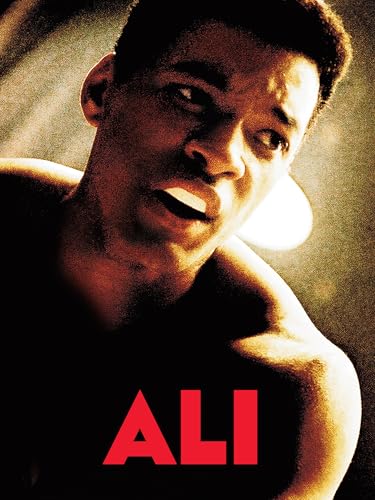
Ali is a 2001 biographical sports drama directed by Michael Mann, with Will Smith in the title role as Muhammad Ali. The film traces Ali's career from his 1964 title win over Sonny Liston through the Vietnam-era controversies, the Rumble in the Jungle, and his return to boxing—framing his fights alongside his political and personal life. Mann pairs fight footage with archival material and a jazz-influenced score to capture the charisma and complexity of one of boxing's most iconic figures.
Smith earned an Academy Award nomination for Best Actor, and the film remains a substantial portrait of an athlete who was as influential outside the ring as inside it.
5. Million Dollar Baby (2004)

Million Dollar Baby (2004) is a boxing drama directed by Clint Eastwood, who also stars as veteran trainer Frankie Dunn. Hilary Swank plays Maggie Fitzgerald, a determined waitress who persuades Frankie to take her on despite his reluctance to train women. Morgan Freeman plays scrapyard owner and former boxer Eddie "Scrap-Iron" Dupris, who narrates the story. The film builds from gym discipline and small-time bouts toward a championship fight, exploring themes of family, sacrifice, and the cost of pursuing a dream in a brutal sport.
It won four Academy Awards, including Best Picture, Best Director for Eastwood, and Best Actress for Swank.

6. Gladiator (1992)
Gladiator is a sports drama film directed by Rowdy Herrington and released in 1992. James Marshall stars as Tommy Riley, with Cuba Gooding Jr. and Brian Dennehy in supporting roles.
The film tells the story of Tommy Riley (played by Marshall), a young man who moves with his father and is pulled into illegal underground boxing to pay off his father's gambling debts.
Tommy catches the eye of a local promoter, whose boss Jimmy Horn (played by Dennehy) buys out the debt and puts Tommy in his fights.
Tommy agrees, but soon finds himself facing tough opponents and dangerous situations.
Cuba Gooding Jr. plays Abraham Lincoln Haines, a fellow boxer who befriends Tommy. Horn later forces the two friends to fight each other.
Gladiator received mixed reviews from critics upon its release, but has since gained a cult following among fans of sports movies and boxing films. The movie is known for its gritty portrayal of the underground boxing scene, as well as its strong performances from the cast.

7. Rocky II (1979)
Rocky II is a 1979 sports drama film directed by and starring Sylvester Stallone, who also wrote the screenplay. It is the second installment in the Rocky franchise and picks up where the first film left off, following the story of Rocky Balboa, a working-class boxer from Philadelphia.
In Rocky II, Rocky Balboa struggles to adapt to life after his fight with Apollo Creed. He is faced with financial difficulties and suffers from lingering physical injuries.
Meanwhile, Creed is dealing with public criticism and pressure to fight again. Ultimately, both men decide to enter a rematch to settle the score and prove themselves as champions.
The film explores themes of perseverance, determination, and redemption, as Rocky overcomes personal obstacles and fights for what he believes in.
The boxing scenes in the film are intense and well choreographed, with Stallone and Carl Weathers (who plays Apollo Creed) delivering memorable performances.
Rocky II was a commercial and critical success, grossing over $200 million worldwide. It received no Academy Award nominations. It is regarded as a classic of the sports drama genre and has inspired countless sequels and imitators over the years.

8. Rocky Balboa (2006)
Rocky Balboa is a sports drama film released in 2006, written, directed, and starring Sylvester Stallone as the boxer Rocky Balboa. The film serves as a continuation and conclusion to the original Rocky series, which began in 1976.
In Rocky Balboa, Rocky is retired and running a restaurant when he is approached to participate in an exhibition match against the reigning heavyweight champion, Mason The Line Dixon. Despite his age and the skepticism of others, Rocky agrees to the match and begins to train for the fight.
The film features themes of aging, redemption, and legacy, as Rocky confronts his mortality and tries to prove that he still has what it takes to compete in the ring. It also showcases the strength and resilience of the human spirit and the power of determination and hard work.
Rocky Balboa was well-received by audiences and critics, who praised Stallone's performance and the film's emotional resonance. It was a commercial success and has been noted as a fitting and satisfying conclusion to the Rocky series.
Overall, Rocky Balboa is a heartwarming and inspiring film that celebrates the enduring legacy of one of cinema's most beloved characters. Its themes of determination, perseverance, and the power of the human spirit make it a timeless classic of the sports drama genre.

9. Cinderella Man (2005)

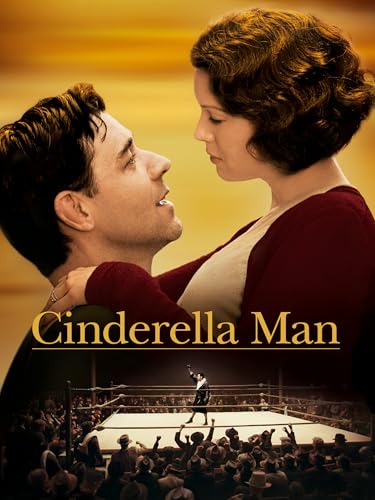
Cinderella Man is a biographical sports drama movie released in 2005, directed by Ron Howard and starring Russell Crowe, Renée Zellweger, and Paul Giamatti.
The film tells the story of James J. Braddock, a struggling boxer who, during the Great Depression, becomes a symbol of hope and resilience for the American people.
The movie is known for its powerful performances, stirring music, and depiction of the harsh realities of the Great Depression era.
The film explores themes of perseverance, family, and the American Dream, and offers a nuanced portrayal of the complex relationship between sports and society.
Cinderella Man was a critical success upon its release, and received three Academy Award nominations: Best Supporting Actor for Paul Giamatti, Best Film Editing, and Best Makeup. The film is celebrated for its emotional depth, historical accuracy, and stirring portrayal of a true American hero.
10. Rocky Marciano (1999 TV Movie)
Rocky Marciano is a 1999 TV movie directed by Charles Winkler. The film is a biographical drama based on the life of the legendary heavyweight boxer Rocky Marciano, who retired undefeated as the heavyweight champion of the world.
The movie follows Marciano's rise from a struggling amateur boxer to a professional fighter, showcasing his determination, grit, and unrelenting work ethic. It also explores his personal life, including his relationships with his family, his wife, and his longtime trainer Charlie Goldman.
Rocky Marciano features a strong lead performance by Jon Favreau as Marciano, with supporting roles by Penelope Ann Miller, Judd Hirsch, and George C. Scott.
The film is known for its realistic portrayal of the boxing world and its portrayal of Marciano as a driven, hard-working athlete who was determined to succeed.
While Rocky Marciano may not be as well-known as other boxing movies like Rocky or Raging Bull, it is a solid biographical drama that pays tribute to one of the greatest fighters of all time. If you're a fan of boxing or sports movies in general, Rocky Marciano is worth checking out.
3 Characteristics of Boxing Movies

Underdog Story: Boxing movies often feature an underdog story, where the protagonist is an unlikely contender who rises to the top against all odds.
These characters may come from disadvantaged backgrounds or face other challenges that make their success in the ring even more impressive.
Training and Preparation: Boxing movies also tend to focus on the intense physical training and mental preparation required to compete in the sport.
These training montages often feature grueling workouts, weight-cutting, and sparring sessions to help the protagonist prepare for their big fight.
Themes of Redemption: Many boxing movies also explore themes of redemption and personal growth.
These films often depict the protagonist overcoming personal demons or past mistakes through their boxing career, finding purpose and direction in the ring. The final fight often represents a catharsis, allowing the character to prove themselves and achieve redemption.
3 Reasons To Watch Boxing Movies

Intense Drama: Boxing movies often feature intense drama and emotion, both inside and outside the ring. They can be powerful explorations of themes such as determination, perseverance, redemption, and sacrifice.
Whether it's an underdog story or a tale of a champion defending their title, boxing movies can be gripping and emotionally engaging.
Athleticism and Skill: Boxing is a physically demanding sport that requires a high degree of athleticism and skill.
Boxing movies can showcase the incredible physical abilities of the actors and stunt performers involved, as well as the technical aspects of the sport itself. They can be a celebration of the art and science of boxing, from footwork and strategy to the execution of punches and combinations.
Cultural Significance: Boxing has a long and rich history, and has played an important role in many cultures around the world. Boxing movies can offer a glimpse into the cultural significance of the sport, as well as its social and political implications.
They can explore issues such as race, class, and gender, and shed light on the broader cultural context in which boxing exists. By watching boxing movies, you can gain a deeper appreciation for the sport and its place in the world.
Best French Movies – Boxing Up

Here are some of the best French movies that feature boxing or martial arts themes:
La Haine (1995) - While not a traditional boxing film, this gritty drama tells the story of three friends living in the Paris suburbs who get caught up in the aftermath of a riot. One of the characters, Hubert, is an aspiring boxer whose gym has been burned out.
A Prophet (2009) - This crime drama follows the story of a young Arab man who is sent to prison and becomes embroiled in the world of organized crime. While not primarily a boxing film, there are several scenes in which the protagonist trains in boxing and martial arts.
Banlieue 13 (2004) - This action film is set in a dystopian Paris where the government has walled off the inner city from the rest of society.
The protagonist, a skilled martial artist, teams up with an undercover cop to take down a drug lord who has taken control of the inner city. The film features elaborate fight sequences and parkour stunts.
These films showcase the diversity of French cinema and the various ways in which boxing and martial arts themes have been explored in the country's films.
Related on Filmmaking Lifestyle

Read next: 5 Best Ukrainian Movies: A Spotlight On Cinema From Ukraine, Academy Award For Best Costume Design: Top 10 Movies, and 25 Academy Award For Best Documentary Feature: Celebrating Powerful Real-World Narratives.
Understand cinema on a deeper level with these Film Theory guides.

Let's Get Lost: The Essential Breakdown

The Old Dark House: Context, Themes, and Style

Night and Fog: Themes, Mood, and Visual Language

Runaway Train: Key Ideas and Lasting Influence

Even the Wind Is Afraid: A Deep Dive Into Story and Style

Introducing The Big Combo: Why It Still Matters

A Fistful of Dollars: What to Notice on a Rewatch

Anima: A Guide to Watching It Like a Critic

Raging Bull: The Meaning Behind the Moments


New comments are not currently accepted.
Comments