
On this pageTap to expand
Andrzej Wajda remains one of the towering figures of Polish cinema, a director whose career spanned over six decades and whose films articulated the complex history and identity of Poland in a way few others have dared. Born in 1926 in Suwałki, Poland, Wajda emerged from the devastation of World War II with a cinematic voice both epic and intimate, capturing the national soul through narratives charged with emotional depth and political resonance.
His work occupies a pivotal space between art and activism, history and memory.

From his debut feature in 1955 to his final projects in the 2010s, Wajda’s oeuvre reflects the turbulent currents of 20th-century Poland. His films grapple with the scars left by war, the contradictions of socialist rule, and the persistent struggle for freedom and truth.
The director’s distinctive style—richly visual yet deeply human—has inspired generations while remaining deeply rooted in Polish soil.
Though his work is unmistakably Polish, Wajda’s influence and appeal extend far beyond national borders. His cinema is part of a broader European tradition of filmmakers who use the medium to interrogate history, identity, and power.
Wajda stands shoulder to shoulder with contemporaries who blend political urgency with artistic innovation, crafting works that resonate universally while remaining profoundly local.
The Films That Best Represent His Style

Wajda’s signature style is a masterclass in blending epic storytelling with intimate emotional landscapes. His films frequently explore Polish history and identity, often through characters caught in moral and political crises.
Visually, his work is striking—marked by careful composition, symbolic imagery, and a sometimes stark, almost documentary-like realism.
Among his most iconic films, Ashes and Diamonds (1958) stands as a defining example. Set on the last day of World War II, it captures the tragic ambiguity of a country caught between liberation and new oppression. The film’s chiaroscuro lighting and complex characters convey a nation in flux. Similarly, Man of Marble (1977) and its sequel Man of Iron (1981) delve into the realities of socialist Poland, blending personal stories with broader social critiques.
Historical subject matter is a constant in Wajda’s work, and few films exemplify this better than Katyń (2007), his powerful meditation on the massacre of Polish officers by Soviet forces during World War II. Its sober, respectful tone and meticulous attention to detail showcase Wajda’s commitment to confronting painful truths.
- Ashes and Diamonds (1958) — The post-war tragedy of conflicting loyalties.
- Man of Marble (1977) — A sharp critique of communist propaganda and labor myths.
- Man of Iron (1981) — A sequel that captures the rise of the Solidarity movement.
- Katyń (2007) — A solemn reckoning with Polish wartime suffering.
- Danton (1983) — A historical drama that parallels revolutionary France with contemporary political dilemmas.
- The Promised Land (1975) — A visually sumptuous critique of industrial capitalism in 19th-century Poland.
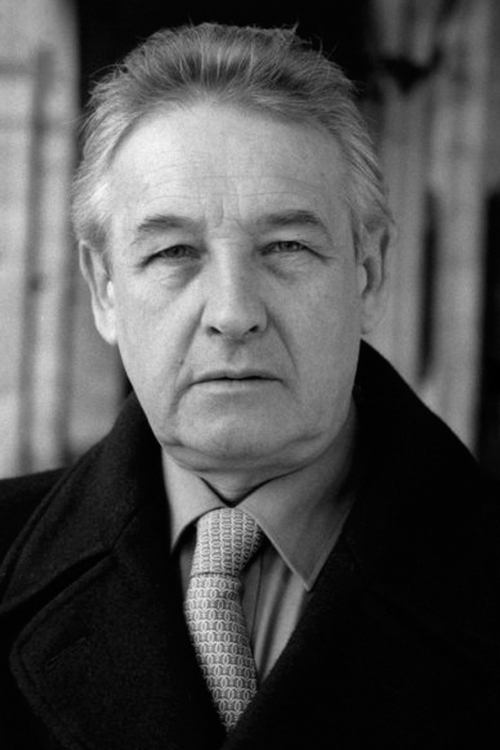
Filmmaker quote“There is no filmmaking legislation because distributors are not interested in sharing their money with the film industry - for instance, by giving a percentage of ticket sales back to filmmakers.”
Andrzej Wajda
Critical Reception and Reappraisal
Wajda’s films were often met with acclaim, especially within Eastern Europe, where they spoke directly to the lived experiences of audiences under socialism. His ability to balance artistic expression with political commentary earned him both praise and censorship.
Western critics admired his craftsmanship and moral seriousness, though some initially viewed his work through Cold War ideological lenses.

Over time, Wajda’s reputation has only grown. Retrospectives and film festivals worldwide have reintroduced his work to new generations, emphasizing its historical significance and cinematic artistry. Films like Man of Marble have been reassessed as pioneering efforts in political cinema, while Katyń is recognized as a vital act of cultural memory.
Importantly, contemporary critics appreciate Wajda’s nuanced approach to storytelling—how he avoids simplistic heroism in favor of morally complex characters and situations. His sometimes epic narrative scale has been balanced by intimate moments of human frailty and hope, ensuring lasting emotional impact.
Worldview, Politics, and Subtext
Andrzej Wajda’s worldview is inseparable from the political history of Poland. His films invariably engage with themes of resistance, oppression, and the search for truth.
Yet Wajda was never a propagandist in the narrow sense; instead, his cinema probes the contradictions of power and the burdens of history. His work reflects a profound skepticism toward authoritarian systems and a deep empathy for individuals caught in their machinations.
Films like Man of Marble and Man of Iron articulate a critique of socialist Poland’s official narratives, showing workers and intellectuals navigating a complex moral landscape. Danton, set during the French Revolution, operates as an allegory for the compromises and betrayals of revolutionary ideals, reflecting Wajda’s concerns about political power and conscience.
Beyond explicit politics, Wajda’s films often carry a spiritual dimension, meditating on memory, sacrifice, and national identity. His engagement with Poland’s painful past is not simply about politics but about cultural survival and the ethical imperatives of remembrance.
Early Life and Formative Influences
Born in Suwałki in northeastern Poland, Andrzej Wajda grew up during a turbulent era marked by war and occupation. The experience of World War II profoundly shaped his worldview and artistic vision. His father was a military officer, and the family’s wartime experiences left an indelible mark on Wajda’s imagination.
Wajda studied painting at the Academy of Fine Arts in Kraków before transitioning to film at the National Film School in Łódź. This artistic background is evident in his meticulous framing and visual composition.
His early exposure to European art and literature—alongside the scars of war—fostered a commitment to exploring history through a humanistic lens.
Influences on Wajda’s work include a range of filmmakers and artists who combined political engagement with creative innovation. He was inspired by the neorealist ethos, as well as the works of directors who grappled with national identity and social injustice.
These influences helped shape his ability to blend narrative cinema with documentary sensibility.
What Filmmakers Can Learn From Him
Wajda’s career offers invaluable lessons for filmmakers interested in marrying artistry with social conscience. His work demonstrates the power of cinema to engage with history without sacrificing emotional complexity or narrative depth.
- Integration of history and personal narrative: Wajda shows how political events can be rendered through individual stories, making history immediate and affective.
- Visual storytelling: His painterly background informs his use of composition, symbolism, and lighting to deepen thematic resonance.
- Moral complexity: Characters in Wajda’s films are neither heroes nor villains in simple terms—they embody the contradictions of their times.
- Courageous engagement: Filmmakers can learn from Wajda’s willingness to confront uncomfortable truths, even under censorship or political pressure.

Moreover, Wajda’s commitment to national cinema as a platform for dialogue and reflection illustrates the potential of film as a cultural force.
The Deep Cuts Worth Your Time
While his major works are essential, several lesser-known films and projects offer fascinating insights into Wajda’s evolving artistry and concerns. For instance, Pogoda domu niechaj będzie z Tobą... (1979) is a short documentary centered on Jarosław Iwaszkiewicz revisiting the house that inspired his story behind The Maids of Wilko, shot as a companion to that adaptation.
Makbet (2010), a Teatr Telewizji recording of Wajda’s 2004 Stary Teatr staging of Shakespeare’s Macbeth, shows his lifelong engagement with theatrical tradition and classic tragedy. The late documentary Andrzej Wajda: My Inspirations (2016) offers a reflective look at the painterly influences that shaped his visual style.
Finally, Proust Against Decline (1988), his short for a Figaro magazine anthology, meditates on art and cultural survival through Joseph Czapski’s wartime lectures on Proust in a Soviet prison camp—echoing themes of memory and perseverance that run through Wajda’s narrative films.
Place in National Cinema and Film History
Andrzej Wajda occupies a foundational role in Polish cinema, helping to define its postwar identity and international stature. Alongside contemporaries like Jerzy Kawalerowicz and Krzysztof Zanussi, Wajda helped craft a cinema that was politically aware, artistically ambitious, and deeply rooted in Polish culture.
His films also belong to the canon of European art cinema, bridging neorealism, historical epic, and political allegory. Through his work, Polish cinema gained a global voice and critical recognition, often serving as a conduit for understanding Poland’s complex 20th-century history.
Wajda’s legacy is inseparable from the evolution of Polish national consciousness. His exploration of memory, trauma, and identity resonates within a tradition of filmmakers who use the medium as a tool of cultural survival.
Influence on Later Filmmakers
The imprint of Wajda’s cinematic vision is palpable in the work of many Polish and international filmmakers. Directors such as Agnieszka Holland and Krzysztof Kieślowski, though stylistically distinct, share Wajda’s concern with moral ambiguity and historical reckoning.
His narrative techniques and thematic preoccupations have influenced those who seek to combine political engagement with artistic daring.
Internationally, Wajda’s blending of epic scope with personal storylines anticipates the work of filmmakers who grapple with history’s shadows on individual lives. His courage in addressing taboo subjects and his formal experimentation have inspired auteurs working in politically fraught contexts.
Themes That Keep Returning

Throughout Wajda’s work, certain themes recur with compelling insistence:
- History and Memory: The struggle to remember and reckon with Poland’s turbulent past, especially World War II and communist rule.
- National Identity: Exploration of what it means to be Polish amid oppression, occupation, and political upheaval.
- Moral Ambiguity: Characters often face impossible choices, embodying the complexity of historical and personal ethics.
- Resistance and Conformity: The tension between individual conscience and political authority.
- Art as Witness: The role of artists and intellectuals as chroniclers and critics of their time.
These themes are woven tightly into his narratives, ensuring his films resonate as both historical documents and timeless meditations.
Related on Filmmaking Lifestyle
Read next: Asghar Farhadi: Why the Images Linger, 25 Best Andrzej Wajda Films: Conscience of Polish Cinema, and Chantal Akerman: Why the Images Linger.
Wrapping Up
Andrzej Wajda’s cinematic legacy is a testament to the power of film as a medium for exploring identity, history, and morality. His work stands as a monumental chronicle of Poland’s 20th century, marked by courage, artistic rigor, and profound humanity.
Wajda’s films invite viewers to confront uncomfortable truths without losing sight of individual dignity and hope.

For filmmakers, scholars, and cinephiles alike, Wajda’s career offers enduring lessons about the role of cinema in society—a medium capable of both beautiful storytelling and incisive political critique. As a master storyteller who never shied away from the complexities of his time, Andrzej Wajda’s place in film history is secure, his influence far-reaching, and his films essential viewing for anyone seeking to understand the interplay of art and history.
Which filmmaker should we cover next?


New comments are not currently accepted.
Comments