
On this pageTap to expand
Darren Aronofsky emerged in the late 1990s as a formidable voice in American independent cinema, quickly distinguishing himself through a raw and uncompromising exploration of human psychology. From his debut feature Pi (1998) to his latest works, Aronofsky’s films are marked by a relentless probing of obsession, madness, and the fragile boundaries between reality and hallucination. His narratives often plunge into the visceral and disturbing, demanding intense emotional engagement from audiences while challenging conventional storytelling norms.
What sets Aronofsky apart is not merely his thematic preoccupations but his fearless approach to cinematic form. His work is a synthesis of psychological depth and visual audacity, where the camera becomes a conduit for inner turmoil and existential dread.

Aronofsky’s films do not shy away from darkness or discomfort; instead, they confront these spaces head-on, making him one of the most psychologically intense directors working today in the American film landscape.
With a filmography spanning over two decades, Aronofsky has evolved while maintaining a distinctive stylistic fingerprint. From the nightmarish descent in Requiem for a Dream (2000) to the balletic madness of Black Swan (2010), and the raw humanity of The Wrestler (2008), his oeuvre is both wide-ranging and singularly focused on the complexities of human experience.
More recently, Aronofsky’s projects continue to push boundaries, venturing into mythic and allegorical territory with films like Noah (2014) and the biblical-inspired frenzy of mother! (2017). His latest work, The Whale (2022), revisits themes of redemption and isolation, confirming his sustained interest in deeply flawed, profoundly human characters.
Recurring Actors and Creative Chemistry
Aronofsky’s films are notable for their collaborative loyalty, frequently working with actors who can embody the intense psychological landscapes his scripts demand. One of his most significant muses is Natalie Portman, whose performance in Black Swan remains a landmark in her career. Portman’s ability to convey both fragility and ferocity perfectly suited Aronofsky’s vision of a ballerina unraveling under pressure.

Similarly, Mickey Rourke in The Wrestler delivers a raw, emotionally charged performance that helped rejuvenate his career. Aronofsky’s direction harnesses Rourke’s lived experience, blurring the lines between actor and character in a way that intensifies the film’s realism.
- Ellen Burstyn, who starred in Requiem for a Dream, channels despair and addiction with haunting authenticity.
- Jennifer Connelly in Requiem for a Dream and Pi adds layers of vulnerability and complexity.
- Bradley Cooper teamed with Aronofsky in The Whale, delivering a deeply empathetic portrayal of isolation.

Pick a lane prospects remember
Generalists compete on price. The guide helps you articulate what you do best so the right clients self-select before they even email.
Beyond actors, Aronofsky’s recurring partnerships with cinematographers like Matthew Libatique have born a visual style that complements the director’s thematic obsessions. Their collaboration has been crucial to achieving the intimate yet often claustrophobic look intrinsic to Aronofsky’s work.

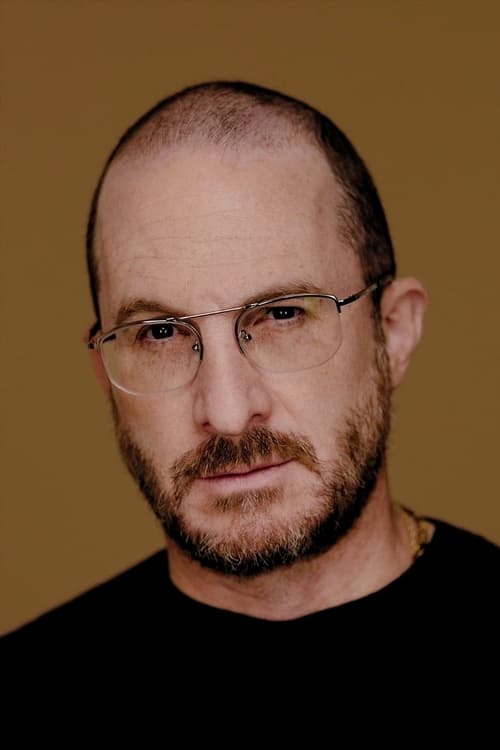
Filmmaker quote“I couldn’t sleep one night and I was sitting in my office and I realized that I was an independent filmmaker.”
Darren Aronofsky
A Director’s Visual Grammar
Aronofsky’s visual style is immediately recognizable for its kinetic energy and symbolic density. His camera work frequently employs tight, constricted framing that mirrors the suffocating psychological states of his characters.

Handheld cameras and rapid, jittery edits convey a sense of instability and chaos, while slow-motion sequences and extreme close-ups heighten emotional intensity.
One hallmark technique is his use of time-lapse photography, as seen in Requiem for a Dream, where montages of addiction rituals become hypnotic yet harrowing. Aronofsky also leans on stark contrasts between light and shadow to evoke a chiaroscuro effect, lending scenes an otherworldly or nightmarish quality.
His visual grammar is not merely aesthetic; it serves as an extension of narrative and character psychology. For example, the fragmented, almost hallucinatory editing style in Pi reflects the protagonist’s descent into madness and paranoia. In Black Swan, mirrors and reflections become recurring motifs symbolizing the fracturing of identity.
The Signature Film, Revisited
While several of Aronofsky’s films stand out as career-defining, Requiem for a Dream arguably remains his signature work. The film’s harrowing depiction of addiction and its physical and psychological toll broke new ground in its unflinching honesty and stylistic innovation. It is a film that refuses easy catharsis, instead immersing the viewer in the characters’ spiraling despair.

Requiem for a Dream showcased Aronofsky’s ability to blend narrative and formal experimentation, using split screens, rapid-fire montages, and a pulsating score by Clint Mansell that has become iconic. The film’s potency lies in its visceral impact and its refusal to sanitize its subject matter, setting the tone for much of Aronofsky’s later work.
Subsequent films like Black Swan and The Wrestler have expanded on the themes of obsession and self-destruction introduced in Requiem. Yet, it remains a cornerstone — both feared and revered — a film that encapsulates the director’s primary creative concerns and filmmaking ethos.
Influence on Later Filmmakers
Aronofsky’s influence has rippled across contemporary cinema, particularly among directors drawn to psychological complexity and formal audacity. His fearless engagement with dark subject matter and experimental storytelling has paved the way for filmmakers willing to explore the darker recesses of the human psyche.
Directors such as Robert Eggers and Lynne Ramsay share Aronofsky’s interest in atmospheric tension and character-driven narratives that blur reality and perception. The visceral intensity that Aronofsky brings to his films has also influenced genre filmmakers who seek to elevate horror and thriller conventions into artful meditations on the human condition.
- Aronofsky’s use of montage and rapid editing has been echoed in contemporary psychological thrillers.
- His thematic focus on obsession can be seen reflected in the work of filmmakers exploring addiction, fame, and mental illness.
- The blending of myth and modern storytelling in Noah and mother! has inspired directors to approach allegory with similar boldness.

You sell and shoot — keep discovery calls short & useful
A tight script you can run in 20–30 minutes so you’re not reinventing the wheel on every inquiry.
How to Start Watching Their Work
For viewers new to Aronofsky, the best entry point is often Black Swan. It encapsulates many of the director’s defining traits: psychological intensity, a protagonist teetering on the edge of sanity, and a visually striking, metaphor-rich style. The film’s clear narrative arc and accessible themes make it a compelling introduction.
Alternatively, Requiem for a Dream offers a darker but equally powerful initiation into Aronofsky’s world, revealing his early mastery of form and his uncompromising thematic vision. For those interested in his more intimate, humanistic side, The Wrestler provides a raw, poignant character study grounded in realism.
From there, viewers might explore Aronofsky’s more experimental and allegorical works like The Fountain or mother! to gain a fuller appreciation of his range and ambition.
Editing Rhythm and Narrative Shape
Aronofsky’s editing style is integral to the emotional and psychological impact of his films. He often employs rapid-fire montages to heighten tension and convey inner turmoil, as seen in the drug sequences of Requiem for a Dream or the frenetic dance rehearsals of Black Swan. This rhythmic editing creates a sense of urgency and instability, immersing the viewer in the characters’ fractured mental states.
Conversely, Aronofsky is adept at using slow, lingering shots to evoke introspection and vulnerability. In The Wrestler, the editing pace allows the emotional weight of Randy’s struggles to settle, creating a powerful contrast with the more kinetic scenes.
His narrative structures often eschew traditional linearity, favoring cyclical or fragmented approaches that mirror the protagonist’s psychological disintegration. This is particularly evident in Pi and The Fountain, where time and reality bend, and narrative clarity is sacrificed for experiential immersion.
The Breakthrough Moment
Though Pi introduced Aronofsky to the indie film circuit in 1998, it was Requiem for a Dream that solidified his reputation as a daring and visionary director. The film's unflinching portrayal of addiction and its innovative stylistic flourishes caught the attention of critics and cinephiles alike, marking Aronofsky as a major creative force.
The Wrestler in 2008 also served as a breakthrough in a different sense: it expanded Aronofsky’s appeal beyond arthouse circles into mainstream consciousness, thanks in large part to Mickey Rourke’s acclaimed performance. This film demonstrated Aronofsky’s versatility and capacity to tell deeply human stories within a less overtly stylized framework.
Closing Notes
Darren Aronofsky remains one of the most compelling and uncompromising directors of his generation. His films are a crucible where form and content fuse to evoke the most intense aspects of the human experience.
Whether exploring addiction, mental illness, or spiritual questing, Aronofsky’s work challenges viewers to confront discomfort and complexity without easy answers.
His cinematic language, marked by a distinctive visual and rhythmic intensity, continues to influence filmmakers and captivate audiences seeking films that are as intellectually provocative as they are emotionally raw. In an era often dominated by escapism, Aronofsky’s films stand as a powerful counterpoint—an unapologetic examination of obsession, suffering, and the yearning for transcendence.
Up for more film history and directors?



New comments are not currently accepted.
Comments