
On this pageTap to expand
Francis Ford Coppola stands as a towering figure in American cinema, a director whose work reshaped the landscape of filmmaking in the 1970s and beyond. Born in Detroit in 1939, Coppola emerged from a generation of filmmakers who would come to define what is often called the New Hollywood era. His films are marked by their epic scope and meticulous craftsmanship, offering audiences not just stories but entire worlds to inhabit. Coppola’s name is synonymous with some of the most influential films ever made, including The Godfather and Apocalypse Now.
What sets Coppola apart is his ability to balance grand narrative ambition with intimate character studies. His works often wrestle with the moral complexities of power and corruption, probing the human condition with a profound seriousness and visual poetry.

Coppola’s cinematic style combines lush, atmospheric tension with a strong visual sensibility, employing both sweeping landscapes and claustrophobic interiors to underscore the emotional stakes of his stories.

While his career has had its fluctuations between monumental successes and more modestly received projects, Coppola’s influence remains undeniable. He has inspired generations of filmmakers and continues to push the boundaries of storytelling, as seen in his recent return with Megalopolis. This profile explores the many facets of Coppola’s extraordinary career—his genres, themes, worldview, and the lasting mark he has left on cinema.

Genre Patterns and Left Turns
Filmmaker quote“A movie is a little like a question, and when you make it, that’s when you get the answer.”
Francis Ford Coppola
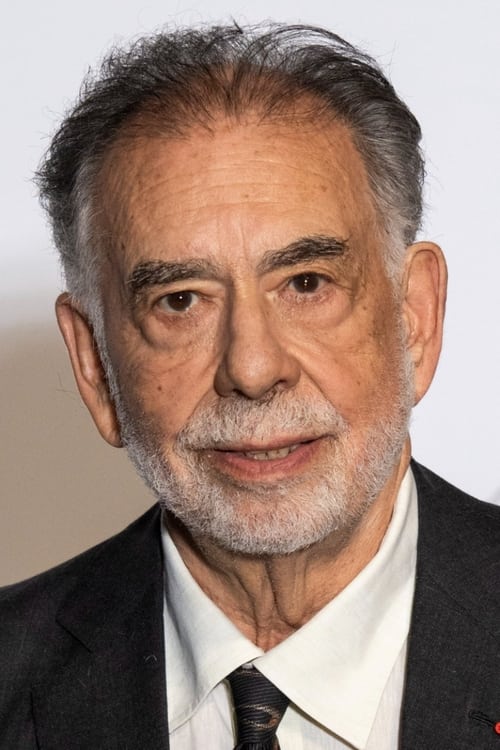
Coppola’s filmography is remarkable for its range, though it consistently returns to a few core genres: crime drama, war epic, and psychological thriller. The crime genre, particularly the Mafia saga, is where he made his most indelible mark. The Godfather trilogy remains perhaps the definitive cinematic exploration of organized crime, blending the conventions of gangster films with family drama and tragedy.
Yet Coppola has never been content to stay within genre boundaries. His war film Apocalypse Now is as much a hallucinatory journey into the madness of Vietnam as it is a revisionist take on Joseph Conrad’s Heart of Darkness. The film’s surreal, often nightmarish tone marked a notable left turn from the gritty realism expected of war films in its era.
Other departures include the romantic time-slip of Peggy Sue Got Married and the stylized noir of Rumble Fish. Coppola’s fascination with visual experimentation and atmospheric tension is especially evident in these projects, which contrast sharply with the grounded realism of his crime dramas. His adaptation of Bram Stoker’s Dracula further showcased a gothic, operatic sensibility, blending horror with romantic melodrama.

Discovery calls that win corporate & branded work
Align with marketing stakeholders faster: stakeholder map, success metrics, and approval paths — distilled into a practical checklist.
- Epic crime dramas dominating his early and mid-career
- War epics with psychological depth and mythic resonance
- Surreal and experimental ventures into romance and horror
- Engagement with literary adaptations and period pieces
Filmmaker quote“I believe that filmmaking - as, probably, is everything - is a game you should play with all your cards, and all your dice, and whatever else you’ve got. so, each time I make a movie, I give it everything I have. I think everyone should, and I think everyone should do everything they do that way.”
Francis Ford Coppola
How to Start Watching Their Work
For newcomers to Coppola’s canon, the most logical starting point is the crime trilogy that established his reputation. The Godfather (1972) and The Godfather Part II (1974) form a monumental diptych that redefined the gangster genre and American cinema itself. These films offer a masterclass in narrative structure, character development, and thematics.
Following these, Apocalypse Now (1979) serves as an essential next step, showcasing Coppola’s ambition to tackle sprawling themes of war and madness through a deeply personal, visceral lens. The Conversation (1974), often overshadowed by Coppola’s more famous works, is another must-watch, embodying his interest in paranoia and surveillance in a tight, suspenseful format.
Once those cornerstones are established, viewers can explore his more experimental and less conventional works like Rumble Fish and Peggy Sue Got Married, which reveal different facets of his directorial voice. The later crime installment, The Godfather Part III (1990), while less revered, offers a complex coda to the saga and reflects Coppola’s continued engagement with legacy and power.

- Begin with The Godfather and The Godfather Part II
- Move on to Apocalypse Now for a thematic expansion
- Watch The Conversation for a cerebral thriller experience
- Explore Rumble Fish and Peggy Sue Got Married for stylistic contrast
Influence on Later Filmmakers
Coppola’s influence on the landscape of cinema is profound and multifaceted. His approach to storytelling—epic yet intimate—has informed a range of filmmakers from Martin Scorsese to Quentin Tarantino. His refusal to compromise on scale and ambition inspired directors to pursue projects with risk-taking at their core.
His use of character-driven narratives within sprawling, operatic contexts paved the way for more complex, morally ambiguous protagonists in mainstream cinema. The visual style and atmospheric tension of Apocalypse Now in particular set a precedent for the use of mood and environment as narrative forces, influencing directors working across genres.
Moreover, Coppola’s efforts as a producer and mentor fostered the careers of numerous filmmakers, including George Lucas and Steven Spielberg, helping to shape a generation. His career serves as a blueprint for the auteur who is both artist and businessman, navigating the Hollywood system without surrendering creative control.
The Signature Film, Revisited
It is impossible to discuss Coppola without centering on The Godfather. This film revolutionized the gangster genre and American cinema in 1972. Its meticulous construction, from the nuanced performances to the evocative cinematography, set a new standard for narrative depth and visual storytelling.
The film’s exploration of familial loyalty, power dynamics, and the corrosive effects of corruption remains strikingly resonant. Coppola’s direction balances the epic and the intimate, making the Corleone family’s story universal and timeless. The subsequent The Godfather Part II deepens this narrative, weaving together past and present to create a layered meditation on legacy and identity.
Revisiting these films reveals Coppola’s extraordinary ability to marry classical storytelling techniques with modern thematic concerns, crafting a mythic American tragedy that continues to captivate and provoke.
Constraints That Shaped the Work
Coppola’s career was shaped as much by external pressures as by artistic vision. The notorious production of Apocalypse Now is legendary for its logistical nightmares, budget overruns, and personal tolls. Yet, these constraints arguably contributed to the film’s raw intensity and chaotic energy.
Studio interference loomed large, especially during the making of The Godfather Part III, where Coppola faced considerable pressure to complete the trilogy under challenging conditions. His efforts to maintain creative control in the face of commercial demands reveal the tensions endemic to Hollywood auteurs.
Financial difficulties in the 1980s further forced Coppola to adopt more commercial projects, a detour from his earlier, more personal films. Yet, these challenges also pushed him toward experimentation and diversification, visible in films like The Outsiders and Tucker: The Man and His Dream.
Critical Reception and Reappraisal
While Coppola’s early work was met with critical acclaim, his later projects have often been met with mixed responses. The Godfather Part II remains one of the few sequels widely considered equal or superior to its predecessor, yet The Godfather Part III was criticized for its unevenness and casting choices.

Apocalypse Now was both celebrated and controversial upon release, its unconventional narrative and production history dividing critics. Over time, it has been reappraised as a masterpiece of psychological and visual complexity.
Films like Rumble Fish and Peggy Sue Got Married initially encountered skepticism but have since gained cult followings and critical respect for their stylistic daring. Coppola’s late-career films, such as Tetro and Megalopolis, continue to provoke debate, underlining his persistent willingness to challenge audiences.

Stay creative while the business side keeps up
You didn’t start a company to live in spreadsheets. This guide keeps client growth practical so you can protect time on set and in the edit.
Worldview, Politics, and Subtext
Coppola’s films frequently interrogate the nature of power and its capacity to corrupt. His moral landscapes are often fraught with ambiguity, refusing simplistic dichotomies of good versus evil. This complexity is central to the Godfather saga, where family loyalty coexists with ruthless violence.
His Vietnam War epic, Apocalypse Now, offers a potent critique of American interventionism and the psychological toll of conflict, embedding political commentary within a larger mythic framework. Themes of surveillance and paranoia in The Conversation reflect Cold War anxieties and the erosion of privacy.
Throughout his work, Coppola also explores the fragility of the American Dream, the tension between individual ambition and societal expectations, and the search for identity against overwhelming historical forces.
Studio Years vs Independent Years
Coppola’s career bifurcates between his groundbreaking studio years in the 1970s and his later independent ventures. The 1970s saw Coppola harness the power of major studios to realize ambitious visions, resulting in his most iconic films.
This period was marked by a rare combination of critical acclaim and commercial success.

His move into independent filmmaking during the 1980s and beyond was partly born from the financial setbacks and creative frustrations encountered within the studio system. This shift allowed Coppola greater artistic freedom but often came with tighter budgets and more limited distribution.
Projects like The Outsiders and Tucker: The Man and His Dream exemplify his independent spirit, while Megalopolis marks a return to grandeur with the sensibility of an auteur fully aware of his legacy.
Themes That Keep Returning
Coppola’s films consistently explore:
- Power and Corruption: The corrosive impact of power on individuals and families is central, especially in the Godfather series.
- Family and Loyalty: Blood ties as both sanctuary and source of conflict appear repeatedly.
- Identity and Legacy: The struggle to define oneself amid inherited expectations and history permeates his narratives.
- The Human Condition: Moral ambiguity, psychological depth, and existential crises are frequent concerns.
- War and Madness: The psychological cost of violence and chaos is powerfully rendered in Apocalypse Now.
Final Thoughts
Francis Ford Coppola’s contributions to cinema are immeasurable. His films combine the sweep of epic storytelling with the intimacy of profound character studies, creating works that resonate on multiple levels.
Coppola’s insistence on artistic integrity, even amid enormous commercial pressures, exemplifies the auteur’s struggle and triumph within Hollywood.
From the iconic corridors of the Corleone family mansion to the surreal, haunted jungles of Vietnam, Coppola’s cinematic worlds continue to challenge, inspire, and captivate. His legacy is that of a visionary who transformed American film and remains an essential figure for any student of cinema to explore.
Ready for another director deep dive?


New comments are not currently accepted.
Comments