
On this pageTap to expand
François Truffaut remains one of the towering figures of world cinema, a filmmaker whose influence extends far beyond his native France. Bursting onto the scene in 1959 with his debut feature, he rapidly helped redefine the possibilities of film narrative and style, anchoring what would be called the French New Wave.
Truffaut’s cinematic voice was unmistakably personal, blending a deep affection for the medium with a keen sensitivity to the complexities of human emotion and relationships.

His films often oscillate between realism and romanticism, capturing the bittersweet nature of love, loss, and the creative life. Unlike more politically charged contemporaries, Truffaut’s work is intensely intimate, channeling autobiographical elements through storytelling that is as much about the act of filmmaking as it is about the characters on screen.
His legacy is inseparable from a profound cinephilia that informs both theme and technique.
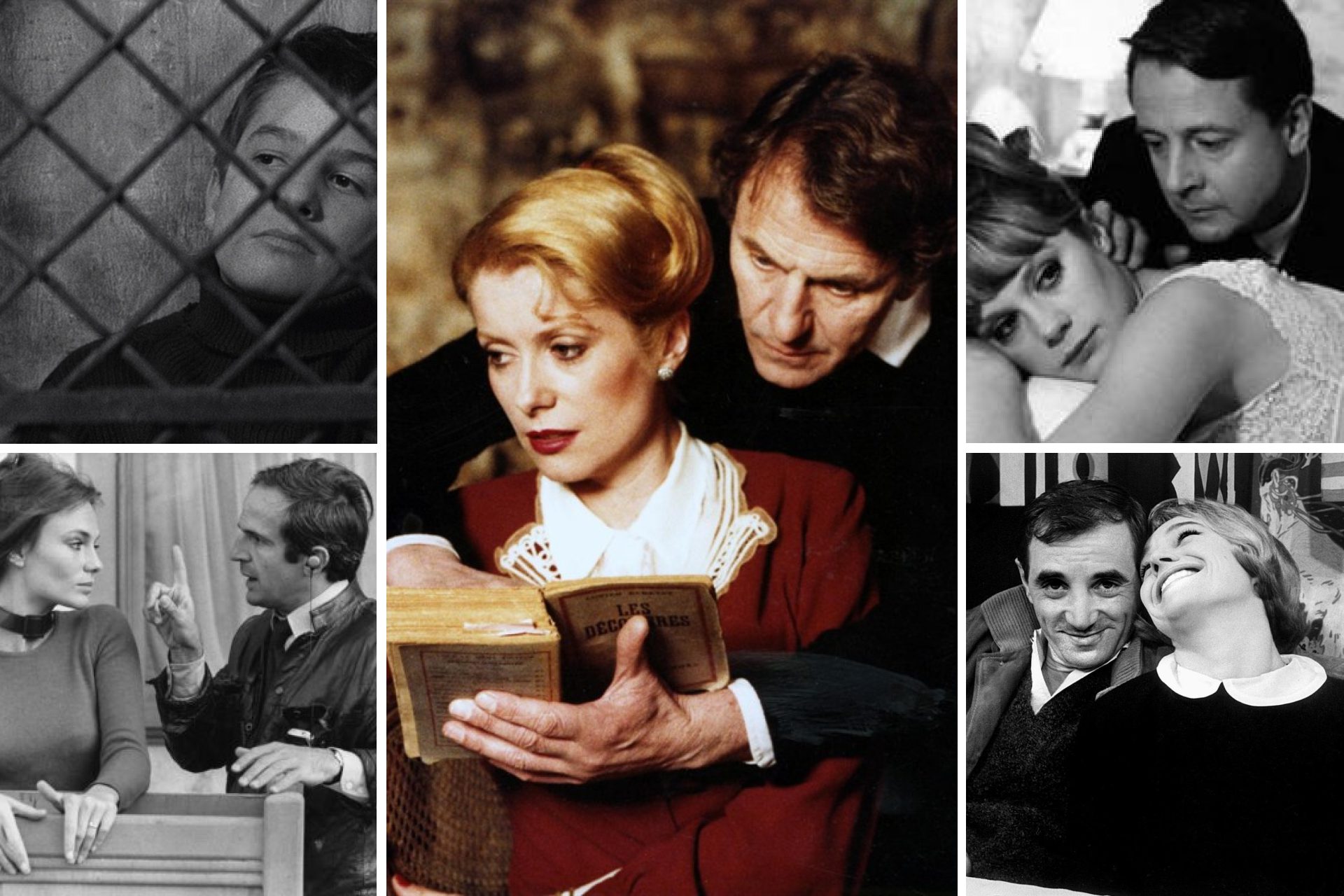
Active primarily between 1959 and 1984, Truffaut’s oeuvre includes a range of classics such as The 400 Blows, Jules and Jim, and Day for Night. Yet beneath these well-known titles lie a wealth of nuances and lesser-known works that reveal the breadth of his artistic curiosity and emotional range.
Critical Reception and Reappraisal
From the moment The 400 Blows premiered, Truffaut was recognized as a fresh and vital voice. The film’s raw honesty and youthful energy struck a chord with critics and audiences alike, heralding a new era for French cinema. Throughout the 1960s and 1970s, his releases were generally met with enthusiasm, praised for their inventiveness, emotional sincerity, and stylistic flair.
However, as cinema trends shifted in the late 1970s and 1980s, some critics began to view Truffaut’s work as less revolutionary and more nostalgic or sentimental. This perception sometimes overshadowed his later films, which are often richer and more technically assured than they were initially given credit for.
In recent decades, cinephiles and scholars have increasingly reappraised his entire body of work, recognizing how his films anticipate contemporary concerns with memory, identity, and the creative process. Truffaut’s deft blending of personal mythology with cinematic homage has only deepened in appreciation, positioning him as a crucial figure in both auteur theory and film history.
The Signature Film, Revisited
The 400 Blows (1959) stands as Truffaut’s signature film, the cornerstone of his career and a seminal work in the French New Wave canon. Semi-autobiographical, it chronicles the troubled childhood of Antoine Doinel, a character who would reappear in several subsequent films, creating one of cinema’s most compelling character arcs.

The film’s naturalistic style, use of location shooting in Paris, and its empathetic portrayal of adolescence remain striking. Truffaut’s blend of documentary-like realism with poetic lyricism set the tone for his future work and remains a touchstone for filmmakers exploring personal narrative.
Yet revisiting The 400 Blows today also reveals the seeds of Truffaut’s lifelong preoccupations: the tension between freedom and authority, the longing for connection, and the complex relationship between life and art. The film’s final freeze-frame, ambiguous yet profoundly moving, encapsulates his nuanced approach to storytelling.

A Director’s Visual Grammar


Truffaut’s visual style is distinguished by its fluid camera movement, naturalistic lighting, and a penchant for close-ups that capture subtle emotional shifts. Unlike the more radical editing experiments of some New Wave peers, his narrative flow remains coherent and character-driven, prioritizing emotional clarity over formal disruption.

He frequently employed long takes and tracking shots that allow scenes to unfold organically, often using Parisian streets and interiors as living backdrops rather than mere settings. This visual grammar effectively bridges the personal and the cinematic, inviting audiences to inhabit his characters’ worlds fully.
His use of color evolved over time, from the black-and-white austerity of his early films to the lush palettes of later works like The Last Metro. This evolution mirrors his thematic shift from youthful rebellion to mature reflections on love and art.
Place in National Cinema and Film History
Within the context of French cinema, Truffaut is a foundational figure who helped break with the staid traditions of the postwar era. His early criticism—most notably in Cahiers du Cinéma—championed directors who valued auteurism and personal expression, setting the stage for the French New Wave.
His films are often viewed alongside those of Jean-Luc Godard, Claude Chabrol, and Éric Rohmer, though Truffaut’s sensibility is notably warmer and more accessible. Internationally, he influenced generations of filmmakers who sought to marry personal storytelling with formal innovation.
More broadly, Truffaut’s work is central to the development of auteur theory, which argues for the director’s role as the primary creative force behind a film. His autobiographical approach and consistent style provide a textbook example of this idea in practice.
Constraints That Shaped the Work
Truffaut’s filmmaking was shaped by several constraints, including the modest budgets typical of early New Wave productions and the relative conservatism of French film financing institutions. These limitations fostered a resourcefulness that encouraged location shooting, use of non-professional actors, and a looser narrative structure.
Moreover, his attachment to personal material sometimes limited the scope of his stories, which revolve largely around themes of love, memory, and childhood trauma rather than broader social or political issues.
However, these constraints also nurtured a kind of creative authenticity. By working within the limitations of independent cinema in postwar France, Truffaut crafted films that feel immediate and intimate, grounded in lived experience.
Studio Years vs Independent Years
Truffaut’s early career, marked by smaller-scale productions like The 400 Blows and Shoot the Piano Player, embodies the spirit of independent filmmaking. These films are marked by innovation, a youthful energy, and a willingness to experiment.
By the 1970s, Truffaut was working more frequently within the studio system, as seen in films like Day for Night and The Last Metro. These later works are more polished and elaborate, often featuring star-studded casts and higher production values.
Nevertheless, even in his studio years, Truffaut retained his auteurist touch, focusing on intimate stories about artists and the filmmaking process itself. Day for Night, a meta-cinematic tribute to the trials of movie-making, epitomizes this phase, balancing commercial appeal with personal investment.
The Deep Cuts Worth Your Time
While his most famous films merit repeated viewing, several of Truffaut’s lesser-known works reward deeper exploration. Small Change (1976) offers a tender and nuanced portrait of childhood, often overshadowed by his debut but equally moving.
The Man Who Loved Women (1977) investigates romantic obsession with a bittersweet, almost comedic tone, providing insight into Truffaut’s evolving sensibility regarding love and desire.
Another gem, The Soft Skin (1964), examines infidelity and emotional fragility in a quiet, mature manner, standing apart from the more exuberant New Wave films.
Finally, Confidentially Yours (1983) blends mystery and romance, demonstrating Truffaut’s versatility and his capacity to engage with different genres while maintaining his distinctive voice.
Themes That Keep Returning
At the heart of Truffaut’s cinema lies a constant exploration of love in its many forms—passionate, unrequited, familial, and creative. His films often depict relationships as fraught yet deeply human, marked by imperfections and yearning.
Childhood and memory are other enduring concerns. From Antoine Doinel’s formative years in The 400 Blows to the more reflective tones of Small Change and The Wild Child, Truffaut probes how early experiences shape identity.
Finally, the struggle of the artist is a recurring motif. Truffaut’s fascination with filmmaking manifests most explicitly in Day for Night, but the theme permeates his work, reflecting his own passion and anxieties about creative expression.
- Love and its complexities
- Childhood and formative experience
- Memory and nostalgia
- The creative process and the life of the artist
- The tension between freedom and authority
Wrapping Up
François Truffaut’s legacy is one of profound affection for cinema and humanity. His work bridges the personal and the universal, offering audiences stories that feel at once intimate and timeless.
Through his unique blend of realism and romanticism, he carved out a space in film history that continues to inspire and resonate.

From the youthful rebellion of The 400 Blows to the mature reflections of The Last Metro, Truffaut’s films remain essential viewing for anyone interested in the art of storytelling and the enduring power of film as a medium. His cinematic language, emotional honesty, and unwavering dedication to exploring the human condition ensure his place as a true giant of 20th-century cinema.
Which filmmaker should we cover next?


New comments are not currently accepted.
Comments