
On this pageTap to expand
Few filmmakers have shaped the landscape of animation as indelibly as Hayao Miyazaki, a towering figure whose career spans over four decades since his emergence in the late 1970s. Born in Tokyo in 1941, Miyazaki's work has become synonymous with a uniquely Japanese yet universally resonant brand of storytelling.
His films blend lush, hand-drawn animation with narratives that explore the interplay between humanity and nature, childhood wonder, and the complexities of moral ambiguity. Throughout his prolific career, Miyazaki has crafted a body of work that challenges the boundaries of animated cinema, appealing equally to children and adults with stories that are as emotionally rich as they are visually breathtaking.

From the soaring airships of Castle in the Sky to the mysterious, enchanting bathhouse in Spirited Away, Miyazaki invites audiences into worlds that feel at once fantastical and palpably real. His ability to infuse fantasy with grounded human experience has earned him a reputation as one of the most influential directors in the history of animation, not only in Japan but internationally. Through Studio Ghibli, the studio he co-founded, Miyazaki has continuously pushed the medium forward, nurturing the art of traditional animation long after the digital wave swept the industry.
His films often resist simple categorization, balancing spectacular adventures with intimate character studies, and delivering profound messages wrapped in the guise of fairy tales. This balance of artistry and storytelling, combined with a reverence for nature and pacifist ideals, has made his work a touchstone for audiences and filmmakers alike.

Miyazaki’s influence can be traced through the work of many directors who similarly strive to blend the whimsical with the sincere, the magical with the meaningful.

Critical Reception and Reappraisal

Miyazaki’s films have enjoyed widespread critical acclaim throughout his career. Early works such as My Neighbor Totoro (1988) were immediately recognized for their gentle storytelling and pioneering animation techniques. However, it was Princess Mononoke (1997) that marked a turning point, showcasing Miyazaki’s willingness to engage with darker, more complex themes while maintaining his signature visual style. This film, with its nuanced portrayal of industrialization versus nature, expanded the scope of what animated films could address, cementing his status as a filmmaker capable of profound ecological and philosophical commentary.
Spirited Away (2001) remains perhaps his most universally celebrated work, earning international accolades and introducing Miyazaki to a global audience in a way no previous film had. While it did not receive an Academy Award in the United States, it garnered significant attention and remains a critical darling for its imaginative world-building and layered narrative. Over time, many of Miyazaki’s films have seen periods of renewed appreciation, as contemporary audiences and critics revisit them with fresh eyes, often highlighting their environmentalist ethos and feminist undertones that were ahead of their time.

Ceremony audio that doesn’t wreck the film
Practical mic strategy, backup plans, and coordination notes so vows land clean in the edit.
In recent years, particularly with releases like The Wind Rises (2013) and The Boy and the Heron (2023), critics have engaged with Miyazaki’s evolving thematic concerns and more mature storytelling approaches. His late career work, while less fantastical, continues to invite reappraisals for its artistic ambition and emotional depth, affirming his enduring relevance in the modern cinematic landscape.
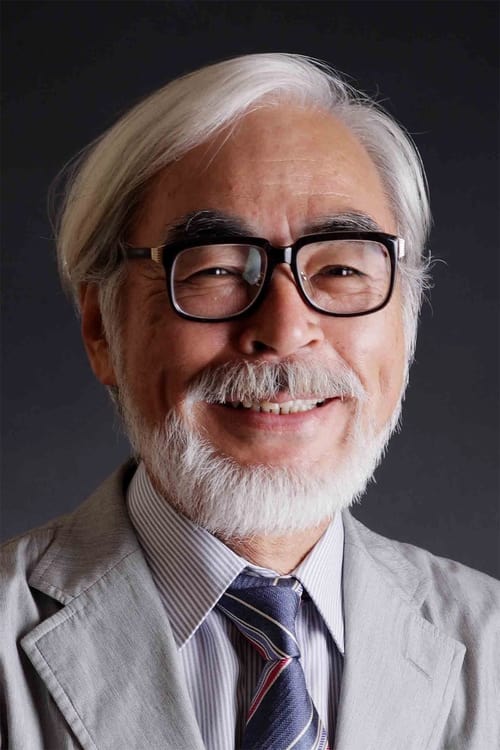
Filmmaker quote“Producing an animation series merely to fill time slots in the broadcast schedule is like generating cultural pollution.”
Hayao Miyazaki
Genre Patterns and Left Turns

Miyazaki’s oeuvre predominantly inhabits the realm of fantasy, yet it resists simple genre classification. His films often meld elements of adventure, romance, and coming-of-age drama with environmental parables and pacifist messages.
The fantastical elements are never mere escapism; they serve as allegories illuminating the human condition.
- Fantasy and adventure: Films like Castle in the Sky and Howl’s Moving Castle revel in magical worlds filled with airships, sorcerers, and mythical creatures.
- Slice-of-life and magical realism: In My Neighbor Totoro and Kiki’s Delivery Service, everyday experiences are tinted with gentle magical flourishes.
- Ecological and historical drama: Princess Mononoke confronts the clash between nature and human progress, while The Wind Rises examines the life of an aircraft designer against the backdrop of wartime Japan.

Occasionally, Miyazaki takes intriguing left turns. His debut feature, The Castle of Cagliostro (1979), is a breezy caper about a gentleman thief, revealing his early fascination with adventure and humor. Meanwhile, films like Porco Rosso (1992) combine historical context with a quirky, melancholic tone, exploring themes of identity and transformation through the lens of a World War I veteran turned pig.
Themes That Keep Returning


A look across Miyazaki’s filmography uncovers several persistent themes that define his narrative and artistic vision:
- Nature and environmentalism: Many of his films, notably Princess Mononoke and Nausicaä of the Valley of the Wind, meditate on humanity’s relationship with the natural world, advocating for balance and respect.
- Strong female protagonists: Miyazaki’s heroines—from the young and determined Nausicaä to the independent Kiki—defy traditional gender roles, embodying strength, intelligence, and compassion.
- The innocence and complexity of childhood: Films like My Neighbor Totoro and Ponyo cherish children’s perspectives, capturing their wonder without underestimating their emotional insight.
- Pacifism and the horrors of war: Even in his most fantastical stories, Miyazaki weaves a deep skepticism of violence and conflict, a theme that grows more explicit in later works such as The Wind Rises.
- Flight as freedom and escape: The motif of flying recurs throughout his films, symbolizing liberation and transcendence—be it through aircraft, magic, or natural ability.
The Signature Film, Revisited

While many of Miyazaki’s works could lay claim to the title of “signature film,” Spirited Away stands out as a defining masterpiece. Released in 2001, it represents a culmination of Miyazaki’s thematic preoccupations and aesthetic sensibilities. The story follows a young girl, Chihiro, navigating a mysterious, supernatural realm in an effort to rescue her parents and find her way home. Its richly imagined spirit world, populated by strange creatures and complex characters, exemplifies Miyazaki’s gift for blending folklore with universal human concerns.
Spirited Away is particularly notable for its layered narrative that can be appreciated by audiences of all ages. The film’s exploration of identity, growth, and resilience resonates deeply, while its environmental subtext and subtle critiques of consumerism add intellectual heft. Visually, the film is a triumph of hand-drawn animation, with meticulous attention to detail throughout every frame.
This film not only propelled Miyazaki onto the global stage but also demonstrated the artistic potential of animation as a serious cinematic form. It remains a touchstone for discussions on animated storytelling and continues to inspire emerging filmmakers worldwide.

Ready for a steadier pipeline of video clients?
Download the free Get More Video Clients guide — positioning, outreach, and follow-up ideas built for production companies and solo operators.
Early Life and Formative Influences

Born during the final years of World War II, Miyazaki grew up in Tokyo in a postwar Japan that was rapidly modernizing yet still deeply connected to traditional culture. His father worked in the aviation industry, which sparked Miyazaki’s lifelong fascination with flight and machinery—a motif that frequently appears in his films.
Miyazaki’s early exposure to manga and animation, including the works of Osamu Tezuka, laid the groundwork for his artistic ambitions. He entered the animation industry in the early 1960s, contributing to various projects before making his directorial debut. His experience working on television series such as Lupin the 3rd and Future Boy Conan honed his skills in storytelling and animation, setting the stage for his transition to feature films.
Miyazaki’s influences are broad and eclectic, ranging from Western literature and European animation to Japanese folklore and environmental philosophy. The influence of European filmmakers like Nicolas Roeg and the narrative depth of Western fantasy literature can be discerned in his work, alongside a profound respect for Japanese cultural traditions and nature spirituality.
This synthesis of East and West, tradition and innovation, is central to his creative vision.
The Deep Cuts Worth Your Time
While Miyazaki’s feature films attract the bulk of attention, several lesser-known works reveal important aspects of his development as a filmmaker. His early involvement with the television series Future Boy Conan (1978) is a prime example, showcasing his talent for crafting engaging serialized storytelling with a strong environmental message. The series, set in a post-apocalyptic world, anticipates many themes that would later appear in his feature films.
Before his rise as a feature director, Miyazaki contributed to the Lupin the 3rd television series (1971) and directed The Castle of Cagliostro (1979), a charming caper that reveals his flair for action and humor. These works demonstrate his versatility and willingness to experiment within different genres.
Shorter works like Mei and the Kittenbus (2002), a brief follow-up to My Neighbor Totoro, offer fans a chance to revisit his whimsical worlds in miniature form. Additionally, Sherlock Hound (1984), a series he co-created, blends classic literary detective stories with anthropomorphic characters and steampunk aesthetics, further showcasing his range and imagination.
Final Thoughts
Hayao Miyazaki stands as a monumental figure in the history of animation and cinema at large. His films are not only technical achievements but also profound explorations of humanity’s place within nature, society, and the imagination.
With a career spanning from the late 1970s to the present, his work continues to inspire audiences and filmmakers worldwide, proving that animation can be a powerful medium for complex storytelling and emotional depth.
His legacy is one of visionary artistry, ecological awareness, and a deep empathy for his characters—qualities that ensure Miyazaki’s place among cinema’s great auteurs. For students and enthusiasts of film, engaging with Miyazaki’s oeuvre is an education in how animation transcends genre and age, becoming a timeless vehicle for hope, wonder, and reflection.
Ready for another director deep dive?


New comments are not currently accepted.
Comments