
On this pageTap to expand
Jiang Wen stands as a compelling figure in contemporary Chinese cinema, a filmmaker whose work resists easy classification yet remains deeply rooted in the cultural and social fabric of modern China. Emerging in the mid-1990s, his films have consistently married sharp satire with vivid storytelling, revealing the contradictions and absurdities of human experience against the backdrop of a rapidly changing society.
Far from the polished historical epics or restrained art-house dramas often associated with Chinese cinema abroad, Jiang’s style is unabashedly energetic and genre-fluid, blending comedy, drama, and occasionally surrealism with an unmistakable boldness.
Unlike directors who chase international festival fame or commercial blockbusters, Jiang has carved out a distinct path — one that privileges complexity over simplicity and embraces the messiness of history and human nature. His work often pivots around themes of power, identity, and survival, with a cinematic language that is as visually inventive as it is narratively intricate. Films like Devils on the Doorstep and Let the Bullets Fly exemplify his ability to fuse biting social commentary with kinetic action and absurd humor, creating a viewing experience that is at once intellectually stimulating and viscerally engaging.
Jiang’s films have not only enriched Chinese cinema but have also contributed to a broader understanding of the nuances shaping contemporary China. His unique voice bridges the gap between the country's turbulent past and its fast-paced present, making him an essential study for anyone interested in cinema that engages with cultural identity and political complexity.

Editing Rhythm and Narrative Shape
Jiang Wen’s films are notably defined by their brisk, almost unpredictable editing rhythms that mirror the emotional and thematic ebbs and flows of the story. Rather than adhering to a classical, linear narrative, Jiang employs a fragmented, episodic structure that often interweaves flashbacks, dream sequences, and sudden tonal shifts.
This approach keeps audiences off balance, encouraging an active engagement with the film’s layered meanings rather than passive consumption.

His editing style is kinetic and incisive, frequently punctuated by rapid cuts that heighten tension or amplify comedic absurdities. For example, in Let the Bullets Fly, the editing work underscores the film’s chaotic energy, alternating between suspenseful shootouts and satirical dialogue with seamless fluidity. This technique allows Jiang to balance complex political allegory with entertainment, maintaining narrative momentum without sacrificing thematic depth.

The narrative shapes Jiang crafts are character-driven yet unapologetically stylized, often reflecting the unpredictability of real life and history. His stories tend to resist neat resolutions, leaving room for ambiguity and interpretation—a testament to his confidence in the audience's ability to grapple with complexity.
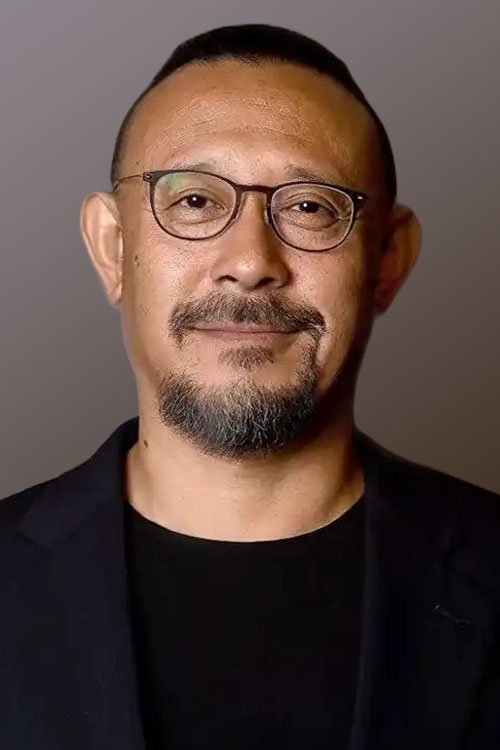
Filmmaker quote“Painters who do self-portraits are engaging in a form of narcissism. But it doesn't work like that in movies. A truly narcissistic person wouldn't go into filmmaking because it's just too tiring.”
Jiang Wen
Early Life and Formative Influences
Born in 1963 in Tangshan, Hebei Province, Jiang Wen came of age during a period of profound social and political transformation in China. The stark realities of his upbringing amidst the nation’s early reform years informed much of his later work’s preoccupation with societal upheaval and individual agency.
This grounding in lived experience gave his filmmaking an immediacy and authenticity that would distinguish him from both his predecessors and contemporaries.
Jiang’s exposure to both classical Chinese storytelling and Western cinema during his formative years helped shape his distinctive cinematic voice. He absorbed the narrative complexity of Chinese literature and folk tales, while also drawing inspiration from international auteurs known for their bold stylistic choices and critical perspectives on society.
- His work reveals the influence of directors known for their political and social engagement, such as Akira Kurosawa and Sergei Eisenstein.
- The blending of humor and tragedy in Jiang’s films echoes the sensibilities of figures like Luis Buñuel and Federico Fellini.
- Thematically, his focus on power dynamics and human folly aligns him with filmmakers such as John Huston and Robert Altman.

These diverse influences converge in Jiang’s cinema to form a voice that is at once distinctly Chinese yet globally resonant.
The Breakthrough Moment
Jiang Wen’s breakthrough arrived with In the Heat of the Sun (1995), a semi-autobiographical coming-of-age film set during the Cultural Revolution. The film’s evocative portrayal of youth and disillusionment struck a chord both domestically and internationally, signaling the arrival of a confident new voice in Chinese cinema. It deftly combined nostalgia with a critical eye, capturing the contradictions of a generation caught between political idealism and personal freedom.
Following up with Devils on the Doorstep (2001), Jiang cemented his reputation for daring storytelling. The film’s darkly comic take on the Japanese occupation of China challenged traditional narratives and provoked controversy, especially given its unflinching portrayal of moral ambiguity and the absurdity of war. The mix of humor and tragedy, coupled with its subversive tone, showcased Jiang's refusal to shy away from complexity or discomfort.
Worldview, Politics, and Subtext
Jiang Wen’s cinema is deeply political, though rarely in an overt, didactic manner. Instead, his films often explore the subtextual tensions and ironies within Chinese society, inviting viewers to read between the lines.
Power structures, both historical and contemporary, are scrutinized not through direct critique but through allegory, satire, and the absurd.
In Let the Bullets Fly (2010), for instance, Jiang uses a wild, spaghetti western-inspired tale to dissect corruption, greed, and the performative nature of authority. The film’s chaotic narrative and flamboyant characters function as metaphors for the unpredictability and contradictions of modern China, where old and new values collide.
His political vision is never simplistic; it acknowledges the messiness of human nature and the compromises inherent in survival. Jiang’s films suggest that history is shaped less by heroism than by the tangled motives and follies of ordinary people, a perspective that challenges official narratives and opens space for nuanced reflection.
Critical Reception and Reappraisal

While Jiang Wen's films have enjoyed a strong following, both in China and abroad, their reception has often been mixed, particularly among critics who struggle with his refusal to conform to conventional storytelling norms or clear moral messaging. Some early works, like Devils on the Doorstep, faced criticism and censorship domestically, limiting their initial reach.
However, over time, Jiang’s oeuvre has undergone significant reappraisal. Contemporary critics and scholars increasingly recognize his work’s rich layering and innovative blending of genre, as well as its incisive societal critique.
This shift is also reflected in the growing scholarly interest in his films as vital texts for understanding post-Mao Chinese identity and the nation’s cinematic evolution.
- International festivals have played a pivotal role in bringing Jiang’s films to wider audiences.
- Retrospectives at major film institutions have highlighted his stylistic range and thematic depth.
- Academic studies have begun to place Jiang alongside other major Chinese directors who redefined the industry in the 1990s and 2000s.
Recurring Actors and Creative Chemistry
Jiang Wen frequently collaborates with actors who bring a distinct vitality and unpredictability to his films. His creative partnerships often involve performers capable of navigating the tonal shifts—from broad comedy to intense drama—that his scripts demand.
Notably, Jiang has worked multiple times with actors such as Chow Yun-fat, whose charismatic intensity in Let the Bullets Fly embodies the film’s rebellious spirit. Similarly, actor Ge You’s nuanced performances in Jiang’s films add layers of irony and pathos, supporting the director’s exploration of flawed yet compelling characters.
These collaborations foster a mutual understanding of Jiang’s stylistic ambitions, allowing for performances that feel simultaneously spontaneous and meticulously crafted, vital for the director’s signature blend of realism and surrealism.
The Signature Film, Revisited
Among Jiang Wen’s body of work, Let the Bullets Fly stands as a signature film that encapsulates much of what defines his directorial approach. The film’s combustible mix of humor, political allegory, and visual bravado makes it a standout in 21st-century Chinese cinema.
The film’s setting—a fictionalized version of 1920s China—serves as a playground for Jiang’s critique of power and morality, while its genre-bending style challenges viewers’ expectations at every turn. Its rapid-fire dialogue, intricate plotting, and memorable characters exemplify Jiang’s ability to craft films that are both entertaining and intellectually provocative.
Revisiting Let the Bullets Fly reveals a work that remains fresh and relevant, its themes of authority and rebellion resonating amid ongoing societal shifts. It is a testament to Jiang’s skill that the film continues to invite new interpretations and discussions nearly a decade after its release.
How They Handle Performance
Jiang Wen’s direction of actors is marked by a desire to capture spontaneity within a controlled chaos. He encourages performances that embrace contradiction—characters who are at once larger-than-life and deeply human.
This approach often results in portrayals that oscillate between comedy and tragedy, reflecting the multifaceted nature of his narratives. Jiang’s actors must navigate sudden tonal switches and deliver dialogue charged with irony or pathos, a challenge that Jiang meets with an emphasis on trust and creative freedom.
His understanding of performance is similarly informed by his own background as an actor, which lends him insight into the demands placed on performers. This empathy allows him to coax nuanced, surprising work from even seasoned professionals, further enriching his films’ emotional complexity.
Closing Notes
Jiang Wen’s career is a testament to the power of cinema to interrogate history, society, and human nature through an inventive and uncompromising lens. His films remain vital contributions to Chinese and global cinema, notable for their fearless blending of genres, sharp social insight, and richly textured storytelling.
As he continues to work in the 21st century, Jiang’s evolving filmography promises to challenge audiences and critics alike, confirming his place as a director whose voice defies easy categorization but demands serious attention. For students of film, Jiang Wen represents a singular blend of artistry and social engagement—a filmmaker who insists that cinema be both a mirror and a hammer.
Want to explore more directors next?
Related on Filmmaking Lifestyle
Read next: Aki Kaurismaki: What to Notice on a Rewatch, All the President's Men: What to Notice on a Rewatch, and Apollo 11: What to Notice on a Rewatch.


New comments are not currently accepted.
Comments