
On this pageTap to expand
John Frankenheimer’s cinematic legacy remains a compelling study of tension, character, and societal undercurrents. Debuting in the late 1950s, Frankenheimer carved out a distinctive niche in American cinema by blending the immediacy of television storytelling with the grandeur and scope of feature filmmaking.
While never becoming a household name on the same level as some of his contemporaries, his work consistently probes the intricacies of human nature and political intrigue with precision and flair.

His films are marked by a restless energy and a profound engagement with the psychological and moral dimensions of his characters. Whether navigating the claustrophobic paranoia of political thrillers or the kinetic intensity of action sequences, Frankenheimer’s visual style remains rich and evocative.
His approach is not just about spectacle but about using that spectacle to illuminate deeper emotional truths and social anxieties. This dual commitment has ensured his films endure as potent, thought-provoking works.
From the Cold War paranoia of The Manchurian Candidate (1962) to the existential dread of Seconds (1966), and the taut, globe-trotting espionage of Ronin (1998), Frankenheimer’s oeuvre is a testament to versatility underpinned by a distinct artistic vision. His skillful command of narrative tension and character psychology makes him a director worthy of close study—not only for fans of thriller cinema but for anyone interested in the complex interplay between politics, identity, and cinematic form.

Genre Patterns and Left Turns
Frankenheimer began his career with a strong foundation in live television drama, which influenced his later film work, particularly in terms of pacing and character depth. His films often inhabit the thriller and political drama genres, yet he was never content to remain within strict genre boundaries.
This is evident in his willingness to explore science fiction, horror, and even sports drama while maintaining thematic continuity.
For instance, The Manchurian Candidate is a quintessential Cold War thriller infused with sharp political commentary and psychological complexity. By contrast, Seconds delves into sci-fi territory with its disturbing exploration of identity and personal transformation. Meanwhile, Grand Prix (1966) showcases his ability to capture the thrill and danger of professional racing, combining visceral action with character-driven storytelling.
Throughout his career, Frankenheimer frequently adopted genre conventions only to subvert them. Black Sunday (1977) is a notable example—a suspenseful thriller centered on terrorism that transcends simple genre thrills to probe the motivations and fears behind violent extremism. Similarly, Ronin (1998) revitalized the espionage action genre with a focus on realism and complex character dynamics rather than just explosive set pieces.

Sound sharp on your next discovery call
A printable checklist built for video company owners: what to ask, what to listen for, and how to qualify leads without sounding robotic.
- Thriller and political drama as core genres
- Explorations into science fiction and horror
- Sports and action films with psychological depth
- Frequent thematic subversion of genre tropes
- Focus on tension-driven narratives with rich character studies
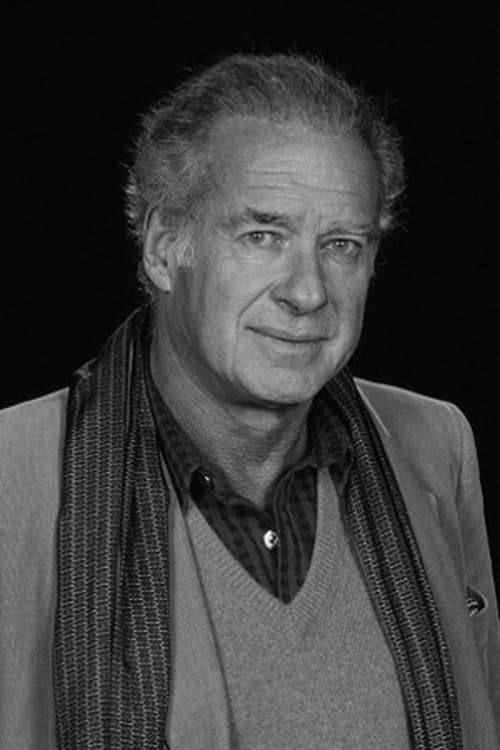
Filmmaker quote“Casting is 65 percent of directing.”
John Frankenheimer
Influence on Later Filmmakers

Though less overtly cited than some of his peers, Frankenheimer’s influence ripples across subsequent generations of filmmakers. His rigorous construction of suspense and his deft handling of political themes paved the way for directors who blend genre thrills with serious social commentary.

Directors known for intricate thrillers and morally ambiguous characters—such as Jonathan Demme and Michael Mann—echo elements of Frankenheimer’s style.
His ability to extract nuanced performances within high-stakes narratives inspired filmmakers who prioritize actor-driven stories within genre frameworks. The kinetic, hand-held camerawork seen in Ronin anticipated the naturalistic action choreography that would later define the work of directors like Paul Greengrass. Moreover, his blending of stylized visuals with narrative realism helped bridge the gap between classic Hollywood and modern cinematic sensibilities.
- Precursor to modern political and psychological thrillers
- Influence on directors blending genre with social commentary
- Early adopter of dynamic, realistic action cinematography
- Inspiration for actor-focused storytelling in genre films
The Signature Film, Revisited

If one film best distills John Frankenheimer’s directorial ethos, it is undoubtedly The Manchurian Candidate (1962). This Cold War thriller remains a touchstone for its deft weaving of political paranoia, psychological manipulation, and family trauma. The film’s chilling narrative about brainwashing and betrayal set against the backdrop of American anxieties during the early 1960s still resonates today.
Frankenheimer’s direction is taut and meticulous, balancing moments of restrained suspense with explosive emotional confrontations. The film’s visual style—marked by dramatic lighting and inventive camera angles—heightens its sense of unease. Meanwhile, the performances, especially Angela Lansbury’s sinister turn, are given room to breathe within a tightly controlled narrative framework. The Manchurian Candidate is not merely a thriller but a penetrating study of power, fear, and identity.
This film exemplifies Frankenheimer’s strengths: his ability to marry political urgency with compelling human drama, his command of cinematic technique, and his sensitivity to performance. Revisiting it today reveals a work that remains deeply relevant and artistically striking.
Early Life and Formative Influences
Born in New York City in 1930, John Frankenheimer’s early life was shaped by the vibrant cultural milieu of the city as well as the tumultuous historical backdrop of the Great Depression and World War II. These formative years instilled in him a keen awareness of societal tensions and the fragility of human institutions—recurring themes in his later work.
His initial foray into storytelling came through theater and television, where the immediacy of live broadcasts honed his ability to work quickly and with precision. This experience was crucial in developing his distinctive narrative economy and emphasis on character-driven plots.
Moreover, Frankenheimer was influenced by filmmakers such as Alfred Hitchcock and Orson Welles, whose mastery of suspense and visual storytelling left an indelible mark on his style.
The political landscape of the 1950s and 1960s, with its Cold War anxieties and social upheavals, provided fertile ground for Frankenheimer’s thematic explorations. His films often reflect a profound skepticism toward authority and an interest in the psychological scars borne by individuals caught in larger power struggles.
How to Start Watching Their Work
For newcomers to John Frankenheimer’s filmography, a curated approach focusing on his most emblematic works provides a solid foundation. Starting with The Manchurian Candidate (1962) is essential, as it encapsulates many of the themes that permeate his career.
Following that, Seconds (1966) offers a fascinating plunge into identity and existential dread, showcasing his willingness to experiment beyond conventional thriller formulas. Seven Days in May (1964) is another political thriller of note, dealing with military conspiracy during the Cold War, demonstrating his skill at creating suspense from political paranoia.
To experience his later style and action-oriented approach, Ronin (1998) serves as a masterclass in nuanced espionage storytelling paired with gripping action sequences. For a glimpse into his ventures into other genres, Grand Prix (1966) offers a visually stunning sports drama with a humanistic core.
- The Manchurian Candidate (1962)
- Seconds (1966)
- Seven Days in May (1964)
- Ronin (1998)
- Grand Prix (1966)

Your first paying video clients — where to look first
If you’re early in the journey, start here: realistic channels, simple outreach, and what to say when someone says “send me a quote.”
Critical Reception and Reappraisal
Throughout his career, Frankenheimer’s work received a mix of acclaim and critical ambivalence. Early on, films like The Manchurian Candidate were celebrated for their bold thematic content and stylistic innovation. However, some of his later films, particularly those produced in the 1980s and 1990s, faced mixed reviews, with critics sometimes perceiving a lack of cohesion or unevenness.
In recent years, there has been a notable reevaluation of Frankenheimer’s contribution to American cinema. Critics and scholars now emphasize his pioneering work within political and psychological thriller genres and his technical innovations.

His skill in balancing commercial appeal with intellectual rigor is increasingly appreciated, positioning him as a bridge between classic studio filmmaking and more modern auteur-driven cinema.
The Breakthrough Moment
Frankenheimer’s breakthrough can be traced to the early 1960s with a trio of films that established his reputation: Birdman of Alcatraz (1962), The Manchurian Candidate (1962), and Seven Days in May (1964). These films demonstrated his command over character-driven stories within socially and politically charged frameworks.
Birdman of Alcatraz showcased his ability to humanize complex, troubled protagonists, while The Manchurian Candidate brought him international attention for its bold political themes and sophisticated thriller mechanics. Seven Days in May further cemented his status by exploring military coup fears during the Cold War, reflecting contemporary anxieties with gripping tension.
Recurring Actors and Creative Chemistry
While Frankenheimer did not build a stock company in the style of some auteurs, he maintained fruitful collaborations with certain actors and creative personnel who complemented his directorial style. Frank Sinatra, for example, appeared in several Frankenheimer films, including Birdman of Alcatraz and The Manchurian Candidate, bringing gravitas and nuance that matched the director’s vision.
James Mason and Laurence Harvey were other actors who worked multiple times with Frankenheimer, their performances often bringing complexity to the morally ambiguous characters the director favored. On the technical side, cinematographers such as Lionel Lindon and Fred Koenekamp contributed to the distinct visual texture of his films, adept at balancing stark realism with dynamic compositions.
How They Handle Performance
Frankenheimer had a reputation for eliciting intense, psychologically rich performances from his actors. He valued collaboration and often worked closely with cast members to develop fully realized characters.
His background in television drama informed his focus on performance and dialogue, making character development central to the narrative.
He was comfortable directing big stars, but he also sought out actors who could embody the emotional and moral complexities of his stories. His films often contain moments of intimate vulnerability set against broader social or political backdrops, and he encouraged actors to inhabit these tensions authentically.
Final Thoughts
John Frankenheimer’s career offers a compelling study in the power of genre filmmaking infused with intellectual depth and emotional resonance. His films stand as important cultural artifacts that explore the anxieties and contradictions of the American experience during the Cold War and beyond.
Through his skillful storytelling, dynamic visual style, and commitment to character psychology, Frankenheimer created works that continue to challenge and engage audiences.
For students of film, his oeuvre presents a rich terrain where political themes intersect with personal drama, revealing the director’s acute understanding of cinema’s potential to illuminate the human condition. Though sometimes overshadowed by flashier contemporaries, Frankenheimer’s legacy is that of a master craftsman whose films remain vital and relevant.
Ready for another director deep dive?


New comments are not currently accepted.
Comments