
On this pageTap to expand
Michael Haneke stands as one of the most uncompromising and intellectually rigorous filmmakers of contemporary European cinema. His oeuvre is a relentless inquiry into the darker recesses of human nature and society, probing themes of violence, alienation, and moral decay with a clinical, often austere detachment.
Unlike many directors who seek to entertain or comfort, Haneke challenges his audience to confront uncomfortable truths without the usual cinematic consolations. His films strike a balance between narrative precision and formal restraint, resulting in works that linger long after the credits roll.

Born in Munich in 1942 but holding Austrian nationality, Haneke’s career spans nearly five decades, beginning in the mid-1970s. Over this time, he has established a distinct cinematic language that is both minimalist and deeply unsettling.
His visual style is stark, often employing long takes, static framing, and a subdued color palette, all of which contribute to the oppressive atmospheres that pervade his films. Unlike many contemporaries, Haneke avoids sensationalism; instead, his narratives are tightly constructed explorations of the psychological and emotional complexities of his characters.

Among his most acclaimed works are Amour (2012), The White Ribbon (2009), and Funny Games (both 1997 and its 2008 remake), films that exemplify his preoccupations with the fragility of civilization, the persistence of violence, and the inscrutability of human motives. Despite their often unsettling subject matter, Haneke’s films are marked by a profound humanity and a refusal to offer easy answers, inviting viewers into an experience of reflection rather than catharsis.

Influence on Later Filmmakers
Actor quote“I learned my business in the theater and in television, particularly working with the actors. You can learn much more in the theater than directing a movie, because then you have no time when you are shooting a movie to really work with the actors. You have to learn this craft somewhere else.”
Michael Haneke
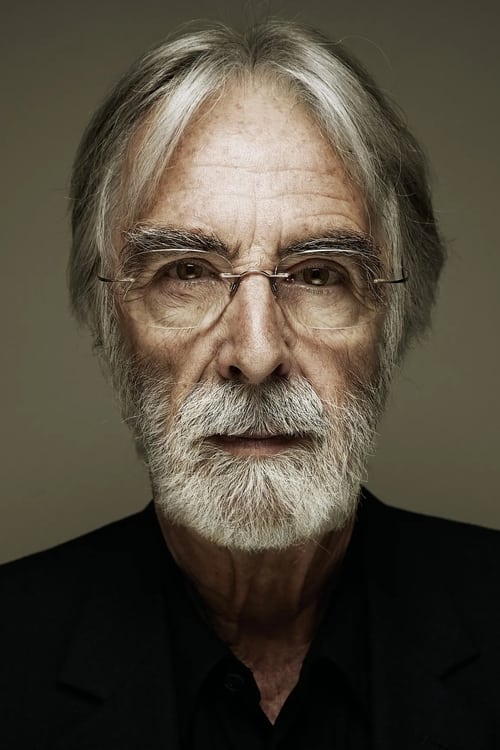


Haneke’s influence extends far beyond Austria and Germany, shaping a wave of filmmakers who seek to interrogate violence and social malaise with a similar unflinching gaze. Directors known for their cerebral approach to storytelling and a predilection for discomfort often cite Haneke as a touchstone.
- His narrative restraint and refusal to sensationalize violence have inspired filmmakers to treat difficult subject matter with sobering honesty rather than spectacle.
- Haneke’s use of long takes and static camera setups has informed the work of directors exploring slow cinema and minimalist aesthetics.
- The psychological depth and ambiguity present in his characters have encouraged a more nuanced portrayal of human complexity, influencing both art-house and mainstream filmmakers alike.
- His meta-cinematic techniques, such as breaking the fourth wall and implicating the viewer in acts of violence, have been adopted by directors aiming to disrupt passive spectatorship.
Directors often mentioned in proximity to Haneke include Michael Snow and Lars von Trier, who similarly challenge cinematic conventions and viewer expectations. Haneke’s approach has carved out a space for cinema that is as much about ethical engagement as it is about storytelling.

From proposal sent to signed — with less ghosting
Clear sections for next steps, assumptions, and revisions help prospects say yes faster and cut back-and-forth.
Actor quote“I love actors, both my parents were actors, and the work with actors is the most enjoyable part of making a film. It's important that they feel protected and are confident they won't be betrayed. When you create that atmosphere of trust, it's in the bag - the actors will do everything to satisfy you.”
Michael Haneke
Early Life and Formative Influences

Michael Haneke’s upbringing in post-war Europe profoundly shaped his artistic sensibility. Born in 1942 in Munich during the final years of the Nazi regime, his childhood was marked by the pervasive aftermath of war and the ensuing cultural and political reconstruction.
Raised primarily in Austria, Haneke was exposed early on to a milieu of intellectual rigor and artistic experimentation that would inform his later work.
His early education in philosophy and psychology is evident in the cerebral quality of his films, which frequently dissect human behavior with clinical precision. Haneke was also deeply influenced by the political and social upheavals of the 1960s and 1970s, a period that saw his early forays into television direction and experimental film.

His cinematic influences are wide-ranging, including European auteurs such as Ingmar Bergman and Robert Bresson, whose austere styles and existential themes resonate clearly in Haneke’s work. The psychological intensity of Alfred Hitchcock and the formal rigor of the French New Wave also left their mark.
These diverse influences coalesce in Haneke’s films, which maintain a unique voice while engaging in a dialogue with film history.
The Breakthrough Moment
While Haneke’s early work in television and short films garnered critical attention, it was the late 1980s and early 1990s that marked his emergence as a significant voice in cinema. The Seventh Continent (1989), his feature debut, established his reputation for telling stark, deeply unsettling stories about the banality of middle-class life unraveling into tragedy.
His subsequent films, such as Benny’s Video (1992) and 71 Fragments of a Chronology of Chance (1995), further solidified his approach: fragmented narratives that expose the latent violence and emotional disconnection in everyday existence. However, it was the 1997 release of Funny Games that truly brought him international notoriety. The film’s cold, meta-textual examination of violence in media challenged audiences and critics alike, establishing Haneke as a director unafraid to provoke.
Themes That Keep Returning
Haneke’s films repeatedly return to a constellation of themes that interrogate the darker aspects of modern life. Central among these is the exploration of violence—not merely as physical acts but as a pervasive social and psychological phenomenon.
- Alienation and Disconnection: Characters in Haneke’s films frequently inhabit emotionally barren environments, where communication breaks down and isolation breeds despair.
- The Banality of Evil: His work often portrays how ordinary people can perpetrate or become complicit in acts of cruelty, suggesting that violence is woven into the fabric of society.
- The Role of Media: Films like Caché (2005) and Funny Games critique the consumption and representation of violence in mass media, implicating the viewer in its perpetuation.
- Memory and History: The White Ribbon (2009) delves into the origins of fascism and authoritarianism, exploring how trauma and repression shape collective consciousness.
- Mortality and Aging: Later works such as Amour confront the inevitability of death and the emotional complexities of love and care in old age.
How to Start Watching Their Work
For those new to Michael Haneke, it’s best to approach his films with a readiness to engage intellectually and emotionally, while embracing ambiguity and discomfort. Starting with his more accessible yet profound works can provide a foothold into his challenging world.
- Amour (2012): A tender yet unflinching portrayal of aging, love, and loss that resonates deeply without sacrificing Haneke’s trademark austerity.
- The White Ribbon (2009): His exploration of authoritarianism’s roots in a small German village offers a haunting meditation on societal decay.
- Caché (2005): A gripping psychological thriller that integrates themes of guilt, surveillance, and colonial legacy.
- Funny Games (1997 or 2008): For viewers prepared to confront media violence head-on, this film serves as a provocative and unsettling challenge.
Beginning with these titles allows viewers to familiarize themselves with Haneke’s style and preoccupations before delving into his more experimental or abstract works like 71 Fragments of a Chronology of Chance or The Seventh Continent.
Worldview, Politics, and Subtext
Haneke’s films are steeped in a critical worldview that interrogates the moral failures of contemporary society. His cinematic lens is often bleak, portraying a world where empathy is scarce and violence lurks beneath the surface of civility.
Politically, Haneke is wary of ideological certainty, preferring to expose the ambiguous complexities that underpin social order and disorder alike.

Ready for a steadier pipeline of video clients?
Download the free Get More Video Clients guide — positioning, outreach, and follow-up ideas built for production companies and solo operators.
The White Ribbon is perhaps the most explicit articulation of his political concerns, suggesting how authoritarian tendencies and social repression germinate in ordinary communities. Yet, Haneke resists easy political categorization, instead emphasizing the psychological and cultural roots of conflict.
His critique extends to the media’s role in perpetuating violence and desensitization, challenging viewers to consider their own complicity. The director frequently employs narrative devices that break conventional cinematic immersion, prompting self-awareness about the act of watching violent images.
Studio Years vs Independent Years
Haneke’s career defies a simple studio-versus-indie dichotomy, as he has often operated within European film systems that straddle art cinema and institutional production. His early television work and experimental shorts reflect a more independent spirit, while later films received greater international financing and support.
Despite the involvement of established European production companies in films like Amour and The White Ribbon, Haneke maintains strict creative control, ensuring his aesthetic and thematic intentions remain uncompromised. His films have never succumbed to commercial pressures for spectacle or formula, a testament to his stature and the respect he commands.
The Signature Film, Revisited
While Michael Haneke’s filmography is rich and varied, Funny Games remains his signature work in both popular perception and critical discourse. The 1997 original and its 2008 English-language remake serve as a meta-cinematic critique of viewer passivity and the spectacle of violence in media.
The film’s minimalist narrative—a home invasion turned sadistic game—belies its complex interrogation of cinema itself. By breaking the fourth wall and refusing catharsis, Haneke unsettles the audience, implicating them in the violence they watch.

The film’s stark visual style and clinical pacing single it out as a paradigmatic example of Haneke’s approach.
Revisiting Funny Games today reveals how prescient Haneke was about the media’s role in shaping our collective consciousness around violence and spectacle. It remains a challenging, provocative work that continues to generate debate about ethics in filmmaking and spectatorship.
Genre Patterns and Left Turns
Haneke’s films resist easy genre classification, often blending elements from psychological thriller, social drama, and horror without fully committing to any. His work frequently subverts genre expectations to emphasize thematic depth over plot conventions.
For example, Caché incorporates mystery and thriller tropes but uses them to probe guilt and memory rather than deliver conventional suspense. The Piano Teacher (2001) blends psychological drama with elements of erotic tension, yet it remains a deeply unsettling character study rather than a traditional romance or thriller.
Occasionally, Haneke takes unexpected detours, as in Happy End (2017), which introduces darkly comic elements into a family drama, highlighting the absurdities of contemporary life in a capitalist society. These tonal shifts underscore his refusal to be boxed into a category, making each new film a fresh, if challenging, experience.
Wrapping Up
Michael Haneke’s body of work stands as a towering achievement in contemporary cinema, marked by its unflinching examination of violence, alienation, and the fragility of human relationships. His austere style and rigorous narrative discipline have reshaped European art cinema, influencing generations of filmmakers and challenging audiences worldwide.
Approaching Haneke’s films demands patience, intellectual engagement, and emotional resilience. Yet, the rewards are profound: a cinema that refuses easy answers, relentlessly probes the human psyche, and forces us to reckon with the uncomfortable realities lurking beneath the surface of everyday life.
For anyone interested in film as a medium for ethical and psychological inquiry, Michael Haneke remains an essential, provocative figure.
Up for more film history and directors?


New comments are not currently accepted.
Comments