
On this pageTap to expand
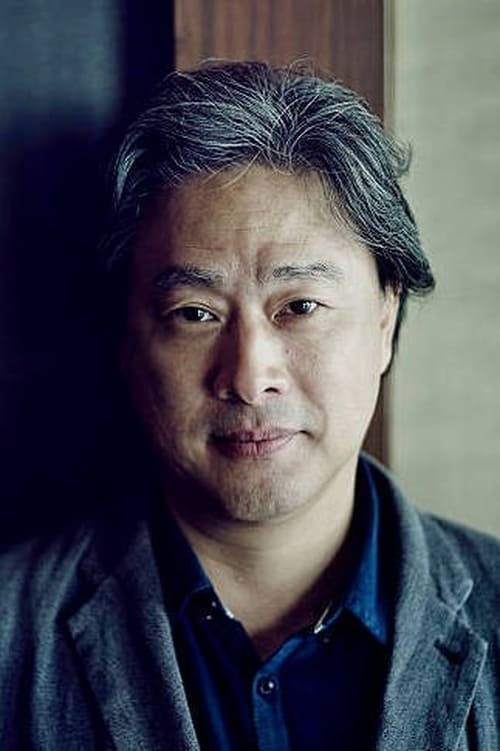
Park Chan-wook stands as a towering figure in contemporary world cinema, a director whose name immediately conjures images of dark, intricate narratives and visually arresting compositions. Emerging from South Korea in the 1990s, Park rapidly ascended to international prominence with a style that defies easy categorization, blending the visceral intensity of thriller and horror genres with profound meditations on human nature and morality.
His films are a labyrinth of suspense and beauty, often exploring the shadowy corridors of revenge with a complexity that challenges audiences both intellectually and emotionally.
For over three decades, Park has honed a unique cinematic language, one that marries a striking visual flair with meticulous storytelling. While his films frequently engage with violence and vengeance, they are never mere genre exercises; instead, they delve deeply into the ethical and psychological dimensions of their characters.
This approach has earned him a reputation not only as a master of the thriller genre but also as a profound humanist filmmaker.
Across his oeuvre, Park’s work is marked by an elegant yet unsettling atmosphere, where every frame feels charged with meaning and tension. His narratives often unfold like puzzles, inviting viewers to piece together layers of emotion, motive, and consequence. From the cult classic Oldboy to the lushly atmospheric The Handmaiden, Park’s artistry has influenced a generation of filmmakers and continues to resonate worldwide.


Themes That Keep Returning

At the heart of Park Chan-wook’s films lies a persistent fascination with revenge, not simply as a plot device, but as a prism through which to examine the human condition. His Vengeance Trilogy—comprising Sympathy for Mr. Vengeance (2002), Oldboy (2003), and Lady Vengeance (2005)—is a seminal exploration of how violence begets violence, and how the quest for retribution can consume one’s identity.
Morality in Park’s films is rarely presented in black and white terms. Instead, his characters frequently inhabit morally ambiguous spaces where good and evil blur. This complexity isevident in Thirst (2009), a vampiric tale that probes the contradictions of faith, desire, and guilt.Similarly, Decision to Leave (2022) balances a detective story with a meditation on obsession and ethical compromise.
Human nature, in Park’s worldview, is a battleground between primal instincts and social constructs. His narratives often highlight the fragility of identity and the weight of past trauma.
The director’s fascination with psychological depth and emotional intensity sets his films apart from conventional genre works, making them resonate on a universal level.
- Revenge as a multifaceted, destructive force
- Moral ambiguity and ethical dilemmas
- The interplay of desire, guilt, and redemption
- Human vulnerability and psychological trauma
- The tension between social norms and primal instincts
Filmmaker quote“When I say that I am going to do an American film, I didn't want to suddenly go off into a completely different world that which bears no relation to the style of filmmaking that I'm used to.”
Park Chan-wook
Recurring Actors and Creative Chemistry

Park Chan-wook’s films often feature a stable of collaborators who bring continuity and depth to his work. Among his most notable muses is actress Kim Min-hee, whose work with Park, particularly in The Handmaiden and Decision to Leave, demonstrates a remarkable capacity to convey complex emotional states through subtle, layered performances. Her presence adds a haunting intensity that complements Park’s narrative intricacies.
Another frequent collaborator is actor Choi Min-sik, whose iconic performance in Oldboy remains one of the defining portrayals in modern Korean cinema. Choi’s ability to embody tortured characters with both ferocity and nuance aligns perfectly with Park’s thematic concerns.
Behind the camera, Park’s partnerships extend to trusted cinematographers, editors, and composers who help shape his distinctive aesthetic. The meticulous craft in framing and pacing owes much to this creative synergy, allowing for a seamless blend of tension and beauty.
- Kim Min-hee – nuanced emotional depth in key roles
- Choi Min-sik – embodiment of torment and intensity
- Longstanding collaboration with cinematographers (e.g., Chung Chung-hoon)
- Creative partnerships with composers enhancing mood (e.g., Jo Yeong-wook)
- Consistent editing teams contributing to narrative rhythm
Early Life and Formative Influences

Born in Seoul in 1963, Park Chan-wook’s path to filmmaking was shaped by a generation caught between tradition and rapid modernization. Growing up during a period of significant political and social upheaval in South Korea, Park absorbed a cultural landscape marked by tension and transformation.
These experiences subtly inform his films’ preoccupation with fractured identities and societal pressures.
His formal education in philosophy at Sogang University laid a foundation for the intellectual rigor that permeates his work. This philosophical grounding, combined with a voracious appetite for cinema, helped Park forge a sensibility attuned to ethical complexity and existential inquiry.
Park’s cinematic influences are wide-ranging, drawing from both Western and Asian auteurs. Directors such as Alfred Hitchcock, Stanley Kubrick, and Michael Haneke are often cited as shaping his approach to suspense and visual storytelling.
Simultaneously, the visceral intensity and formal experimentation found in Japanese filmmaker Akira Kurosawa and South Korean predecessors contribute to his stylistic depth.
Editing Rhythm and Narrative Shape
Park Chan-wook’s editing style is integral to the emotional cadence and suspenseful momentum of his films. His narratives are intricately structured, often employing flashbacks, nonlinear timelines, and carefully calibrated reveals that transform the viewer’s understanding as the story advances.
The editing rhythm in works like Oldboy and The Handmaiden balances moments of explosive violence with quieter, almost poetic interludes. This contrast enhances the psychological impact and allows complex characters space to breathe amid the tension.

Moreover, Park’s use of montage and visual motifs creates a hypnotic flow, weaving together themes and symbols that resonate beyond the immediate plot. His narrative shapes often mimic the emotional arcs of his characters—disorienting, cyclical, and ultimately cathartic.
The Signature Film, Revisited
Among Park Chan-wook’s impressive filmography, Oldboy (2003) remains the centerpiece and cultural landmark. This film encapsulates his thematic and stylistic preoccupations: a labyrinthine revenge plot, morally ambiguous characters, and a visual style that is both brutal and beautiful.
Oldboy tells the story of Oh Dae-su, a man inexplicably imprisoned for 15 years before being released and given five days to find his captor. The film’s tightly wound narrative, combined with unforgettable set pieces like the hammer corridor fight, cemented Park’s reputation internationally.
The film’s exploration of vengeance is not straightforward retribution but a twisted journey into past sins and personal torment. It challenges audiences to grapple with empathy for a protagonist whose actions become increasingly complex and disturbing.
For many cinephiles and critics, Oldboy remains the essential gateway into Park’s cinematic universe—a visceral, intellectual experience that defines modern Korean cinema’s global impact.
Studio Years vs Independent Years
Park Chan-wook’s career reflects a dynamic negotiation between studio backing and independent creative control. His early works like Joint Security Area (2000) benefited from more traditional studio support, enabling broader audience reach while maintaining his distinct voice.
However, it is during his independent years, particularly with films like Thirst and The Handmaiden, that Park’s style fully blossoms. Freed from commercial constraints, these films exhibit a daring approach to storytelling and visual experimentation, asserting his auteur status.
His occasional ventures into English-language cinema, such as Stoker (2013), demonstrate a willingness to adapt his sensibility to different cultural contexts, though his core themes remain intact. This balance between commercial appeal and artistic integrity defines Park’s evolving career.
What Filmmakers Can Learn From Them
Park Chan-wook’s work offers invaluable lessons for filmmakers seeking to blend genre with profound thematic inquiry. His mastery lies in transforming familiar tropes into vehicles for exploring the depths of human psychology and morality.
His approach underscores the importance of visual storytelling—how composition, color, and editing can evoke mood and subtext as powerfully as dialogue. Park’s films demonstrate how narrative complexity can engage rather than alienate audiences when crafted with precision.
Furthermore, Park exemplifies the value of collaboration, nurturing creative partnerships that refine and expand his vision. His career trajectory, balancing national cinema with international projects, inspires filmmakers to maintain artistic authenticity amid commercial pressures.
- Integrate genre conventions with philosophical depth
- Utilize visual composition as a storytelling tool
- Craft narratives with layered, morally complex characters
- Embrace collaborative creative processes
- Balance artistic vision with broader audience engagement
Where It Leaves Us

Park Chan-wook’s cinematic legacy is one of innovation, elegance, and unflinching exploration of the darker corners of the human psyche. His films challenge viewers to confront uncomfortable truths about vengeance, identity, and morality, wrapped in narratives that are as thrilling as they are intellectually rich.
As he continues to produce work that pushes boundaries—such as the anticipated No Other Choice (2025) and the recent The Sympathizer (2024)—Park remains a vital force in global cinema. His ability to meld aesthetic beauty with narrative complexity ensures his place among the great auteurs of his generation.
For students of film and enthusiasts alike, Park Chan-wook’s oeuvre offers a masterclass in the power of cinema to probe the human soul while captivating the senses. His work stands as a testament to the enduring potential of film as an art form that is both viscerally engaging and profoundly thoughtful.
Which filmmaker should we cover next?


New comments are not currently accepted.
Comments