
On this pageTap to expand
Paul Schrader’s career stands as a compelling study in the persistence of auteur-driven cinema within the often mercurial landscape of American film. Emerging from the cultural crucible of the 1970s, Schrader carved a niche as a writer-director with a distinct, unflinching approach to the moral and spiritual crises at the heart of his characters.
Though never a household name in the conventional sense, his influence permeates modern filmmaking, often operating behind the scenes or in the form of subtle inspiration for more prominent mainstream directors.

Schrader’s films delve into the darker recesses of the human psyche, framed by existential dread and the quest for redemption. His narratives resist facile resolutions, preferring instead to interrogate the often brutal realities of isolation, addiction, and faith.
Across a prolific body of work spanning over four decades, Schrader’s voice remains unmistakably his own: intensely personal, psychologically informed, and stylistically rich.
While known primarily for a handful of landmark films, Schrader’s oeuvre is expansive and varied, from the sleek urban malaise of American Gigolo to the meditative spiritual torment visualized in First Reformed. His ability to marry dense character studies with genre elements—whether noir, thriller, or supernatural horror—makes his filmography a fertile ground for study and admiration.
Themes That Keep Returning

At the core of Schrader’s work lies a preoccupation with the individual’s struggle against a fractured moral universe. His characters often grapple with themes of guilt, redemption, and self-destruction, articulating a persistent tension between the profane and the sacred.
- Spiritual Crisis and Redemption: Films like First Reformed and Mishima: A Life in Four Chapters explore faith not as comfort but as a battleground for existential despair and hope.
- Alienation and Isolation: Protagonists in American Gigolo and Light Sleeper navigate loneliness amid urban environments, embodying a modern form of exile.
- Moral Ambiguity and Violence: Schrader’s narratives often depict characters enmeshed in violence and ethical compromise, seen vividly in The Card Counter and Dog Eat Dog.
- The Human Condition and Personal Obsession: Whether through addiction, obsession, or self-imposed penance, his films examine the consequences of inner turmoil reflected outwardly.

Brief a second shooter in minutes
Shot priorities and communication habits so coverage feels cohesive when you’re not in two places at once.
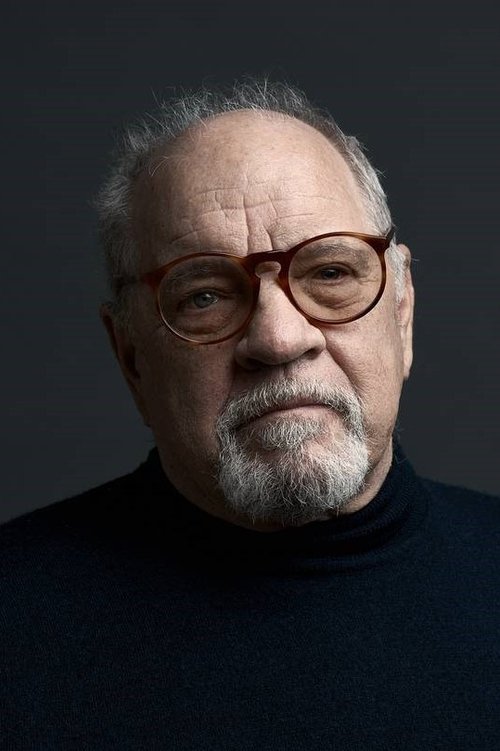
Filmmaker quote“This distinction between form and experience is not pedantic, but fundamental: a form can express the Transcendent, an experience cannot. A form can express the common ground in which all things share. An experience can only express one man's reaction to that common ground.”
Paul Schrader
A Director’s Visual Grammar


Schrader’s visual style is deliberate and often austere, yet never devoid of emotional resonance. His compositions tend toward a grand, sometimes operatic scale, but are balanced by intimacy and meticulous attention to detail.
He frequently uses low-key lighting and shadow to emphasize psychological depth, a testament to his affinity with noir traditions. His framing often isolates characters within their environment, reinforcing themes of alienation and entrapment. In Mishima, the theatricality of his visual approach complements the film’s exploration of ritual and identity, while in First Reformed, restrained yet haunting imagery underscores internal conflict.

Schrader’s camera work is purposeful rather than flashy, often lingering on a moment or expression to allow the emotional weight to settle. This approach aligns with his narrative focus—allowing character interiority to drive the visual rhythm of the film.
Critical Reception and Reappraisal
Though Schrader has not always received widespread acclaim during initial releases, his films have frequently undergone critical reappraisal, particularly with the rise of auteur theory and renewed interest in character-driven cinema. Early works like American Gigolo were sometimes dismissed as stylish but superficial, yet later analyses recognize their complex engagement with themes of commodification and identity.

His more recent films, notably First Reformed and The Card Counter, have garnered significant critical praise for their depth and moral seriousness. These works are often cited as among the best contemporary explorations of American spiritual anxiety and societal fracture.
Schrader's reputation as a thinker and writer on film—authoring seminal texts like Transcendental Style in Film—has also contributed to renewed scholarly interest in his own cinematic output, framing him as a key figure in the dialogue between film form and philosophical inquiry.
The Breakthrough Moment
Schrader’s breakthrough came as a screenwriter with Taxi Driver (1976), directed by Martin Scorsese, a film that encapsulated the gritty, existential urban malaise characteristic of 1970s American cinema. This collaboration established Schrader’s reputation for crafting richly psychological characters embroiled in violent isolation.
As a director, his first feature, Blue Collar (1978), showcased his ability to translate social commentary into compelling drama, focusing on the struggles of working-class life. However, it was American Gigolo (1980) that marked a stylistic and thematic consolidation of his directorial voice—combining sleek visuals with a probing character study.
How They Handle Performance
Schrader’s directing style demands subtlety and depth from actors, often encouraging performances that reveal the inner workings of troubled individuals. His characters are rarely archetypal villains or heroes; instead, they exist in zones of ambiguity.
He collaborates closely with his actors, fostering a space where emotional restraint coexists with palpable tension. Richard Gere's work in American Gigolo and Ethan Hawke’s in First Reformed exemplify this approach—both performances are underpinned by a quiet intensity that speaks volumes beyond dialogue.

Less cold outreach, more inbound interest
If chasing DMs isn’t your thing, this guide maps lighter-touch ways to stay visible to buyers who already hire video — without feeling salesy.
Schrader’s scripts provide rich psychological material, enabling performers to explore complex motivations and contradictions, often highlighting vulnerability alongside moral rigidity.
The Signature Film, Revisited
First Reformed (2018) arguably stands as Schrader’s signature directorial achievement, synthesizing his core thematic concerns and stylistic elements into a deeply affecting narrative.
The film’s exploration of faith, despair, and the environmental crisis is rendered through a spare but powerful visual style and a central performance by Hawke that captures an anguished soul wrestling with conscience. First Reformed distills Schrader’s lifelong preoccupation with redemption and the search for meaning, positioning it within a contemporary context of political and ecological urgency.
Its austere cinematography and deliberate pacing mark a refinement of his visual grammar, while the screenplay’s philosophical undercurrents reflect the intellectual rigor Schrader brings to his projects.
Studio Years vs Independent Years
Schrader’s career oscillates between the pressures and resources of mainstream studio filmmaking and the freedom and constraints of independent production. His early work, such as American Gigolo and Cat People, benefited from larger budgets and access to high-profile actors, but sometimes faced commercial expectations that influenced their scope and tone.
Conversely, his independent projects like First Reformed and The Card Counter have allowed him greater creative control, resulting in more uncompromising examinations of challenging themes. This divide highlights Schrader’s resilience and adaptability as a filmmaker, navigating industry demands without sacrificing his unique voice.
The Deep Cuts Worth Your Time

For those looking beyond Schrader’s most famous titles, several lesser-known works merit attention for their thematic richness and stylistic flair.
- Blue Collar (1978): Schrader’s directorial debut is a gritty, socially conscious drama about union workers that foreshadows his enduring interest in moral conflict and societal decay.
- Light Sleeper (1992): This meditation on addiction and existential crisis in New York City offers a nuanced exploration of loneliness and redemption, anchored by a layered performance from Willem Dafoe.
- Auto Focus (2002): A psychological biopic that delves into fame, obsession, and personal downfall, revealing Schrader’s fascination with the dark side of celebrity.
- Adam Resurrected (2008): A haunting exploration of trauma and identity set in a post-Holocaust context, showcasing Schrader’s willingness to tackle difficult historical and psychological material.
Wrapping Up
Paul Schrader remains a vital figure in American cinema—one who persistently probes the tensions between faith, sin, and redemption through a lens that is both poetic and unyielding. His films challenge audiences to confront uncomfortable truths about human nature and society, marrying intellectual rigor with emotional intensity.
From his early collaborations to his recent meditations on climate and morality, Schrader’s work endures as a testament to the power of cinema as a vehicle for philosophical and psychological inquiry. For students and cinephiles alike, engaging with his filmography offers not only a masterclass in narrative and visual storytelling but also a profound exploration of what it means to be human in a fractured world.
Which filmmaker should we cover next?


New comments are not currently accepted.
Comments