
On this pageTap to expand
Few filmmakers of his generation have navigated the shifting terrain of American cinema with as much stylistic confidence and thematic depth as Paul Thomas Anderson. Emerging in the mid-1990s, Anderson quickly established himself as one of the most distinctive voices in contemporary film, crafting narratives that probe the complexities of human desire, power, and identity.
His work is notable not only for its intricate plotting and richly drawn characters but also for a uniquely immersive cinematic language that fuses visual opulence with an evocative sound design.

From the sprawling ensemble drama of Magnolia to the austere psychological duel of The Master, Anderson’s films reveal a deep preoccupation with American culture in its most raw and mythic forms. He combines melodrama with dark humor and existential inquiry, creating emotionally resonant stories that unfold at an unhurried pace yet pulse with urgency. His oeuvre stands as a testament to how modern American cinema can wrestle with both grandeur and intimacy in equal measure.
As a director who remains active since his debut in 1996, Anderson’s influence reverberates through a generation of filmmakers who admire his narrative ambition and meticulous craftsmanship. His commitment to exploring flawed, often enigmatic characters within complex social milieus has earned him a reputation among cinephiles and critics alike as a towering figure of 21st-century filmmaking.


The Signature Film, Revisited

Among Anderson’s films, There Will Be Blood (2007) has come to epitomize his directorial prowess. Adapted loosely from Upton Sinclair’s novel Oil!, the film is a sprawling epic of ambition, greed, and the dark undercurrents of the American dream. Daniel Day-Lewis’s towering, volatile performance as Daniel Plainview anchors the film’s exploration of capitalism and moral decay, but it is Anderson’s fearless visual storytelling and Philip Glass’s haunting score that elevate the experience to mythic stature.
The film’s deliberate pacing and immaculately composed shots exemplify Anderson’s mastery of atmosphere and tone. Its famous sequence of oil rigs spewing flames against a dusk sky has become iconic, symbolizing both progress and destruction. Revisiting There Will Be Blood reveals Anderson’s skill in balancing narrative complexity with visceral spectacle, creating a film both intellectually challenging and emotionally gripping.
Equally crucial to understanding Anderson’s signature style is Boogie Nights (1997), his breakthrough feature that captures the hedonistic yet fragile underbelly of the late 1970s and early 1980s porn industry. Through a sprawling ensemble and a kaleidoscopic narrative, Anderson crafted a film that celebrates and scrutinizes American pop culture with equal measure, cementing his reputation for character-driven epics with a sharp social edge.

Spot red flags before you sign
Use the same prompts we use to catch vague briefs, scope creep bait, and timeline traps — all in one short discovery framework.
Filmmaker quote“Screenwriting is like ironing. You move forward a little bit and go back and smooth things out.”
Paul Thomas Anderson
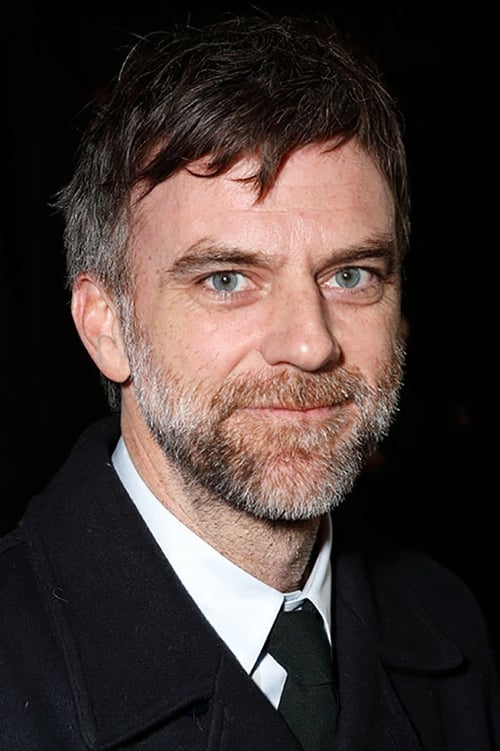
Collaborators: Writers, DPs, Editors, Composers

Anderson’s creative partnerships have been instrumental in shaping his films’ distinct textures. He often writes or co-writes his screenplays, infusing them with a literary sensibility that balances dialogue-driven scenes with moments of surreal silence.
- Robert Elswit has been Anderson’s principal cinematographer since Hard Eight (1997), crafting a visual style marked by long takes, fluid tracking shots, and rich color palettes that complement the thematic depth of Anderson’s stories.
- Dylan TichenorAndy Jurgensen have contributed to editing, sculpting the rhythm and pace that allow Anderson’s intricate narratives to breathe.
- Jon BrionMagnolia and Punch-Drunk Love, provided a whimsical yet poignant musical backdrop that enhances the films’ emotional complexity.
- For later works such as The Master and Phantom Thread, Anderson collaborated with Jonny Greenwood of Radiohead, whose dissonant, evocative scores deepen the psychological intensity of the narratives.
These collaborations have cultivated a consistent auditory and visual identity that distinguishes Anderson’s filmography from his contemporaries. The synergy between director and crew allows for a seamless integration of narrative, performance, sound, and image.

Early Life and Formative Influences

Born in Studio City, California, in 1970, Anderson came of age amid the sprawling entertainment culture of Los Angeles. This proximity to Hollywood, combined with an early passion for cinema, shaped his artistic trajectory. Unlike many directors who enter the industry through film schools, Anderson was largely self-taught, forging his skills through independent projects and short films such as Cigarettes & Coffee (1993).
His influences are wide-ranging yet focused, drawing from a lineage of auteurs who explored character complexity and formal innovation. Anderson’s films pay homage to the narrative ambitions of Robert Altman and the psychological intensity of Ingmar Bergman, while also absorbing the visual poetry of Nicolas Roeg and the melancholic Americana of John Ford.
This eclectic mix of inspirations manifests in Anderson’s films as a blend of classical storytelling and experimental impulses, a marriage of the emotionally intimate and the visually grandiose.
Studio Years vs Independent Years
Anderson’s early work straddled independent sensibilities and studio resources. His debut, Hard Eight, was an intimate, low-budget character study, while Boogie Nights benefited from a larger budget and studio backing, allowing for a more ambitious scope and ensemble cast.
This duality persists throughout his career. Films like Magnolia and There Will Be Blood are studio-supported but retain an auteur’s control, reflecting Anderson’s ability to navigate Hollywood’s commercial demands without sacrificing his artistic vision.
In contrast, projects such as Junun (2015), a documentary centered on a musical collaboration in India, and the upcoming One Battle After Another (2025), suggest a continued interest in independent, boundary-pushing filmmaking that resists easy categorization.
How They Handle Performance
Performance is at the heart of Anderson’s films. He is known for eliciting deeply layered, often transformative work from his actors. He favors long takes and rehearsed, precise dialogue delivery, creating a theatrical yet naturalistic atmosphere.
His direction tends to encourage actors to explore the emotional extremes of their characters, balancing vulnerability with intensity. This approach yielded career-defining performances from actors like Philip Seymour Hoffman in The Master, Daniel Day-Lewis in There Will Be Blood, and Daniel Day-Lewis’s meticulous collaboration with Anderson in Phantom Thread, where the nuances of obsession and control are rendered with painstaking detail.
The director’s patient, actor-centric methodology results in performances that feel both monumental and intimately human.

Charge what you’re worth — and hear “yes” more often
Positioning and follow-up tactics from the Get More Video Clients guide so you stop under-quoting and start winning work that fits your rates.
The Breakthrough Moment
While Anderson’s debut features showed promise, Boogie Nights (1997) was his undeniable breakthrough. The film’s daring subject matter, vivid period detail, and ambitious storytelling announced a new force in American cinema. It was a bold synthesis of ensemble drama and character study, capturing a subculture with affection and critical insight.
The film’s success opened the door for subsequent projects with larger budgets and more prominent actors, solidifying Anderson’s status as a filmmaker to watch. It also set the tone for many of his later works that explore the intersection of personal ambition and cultural mythos.
Genre Patterns and Left Turns

Anderson’s filmography resists easy genre classification, though his work frequently hovers around drama, often infused with elements of crime, romance, and psychological thriller.
- Punch-Drunk Love (2002) is a romantic comedy in a minimalist, offbeat key, marked by idiosyncratic humor and an atypical protagonist.
- Inherent Vice (2014) adapts Thomas Pynchon’s labyrinthine noir novel, blending detective story tropes with psychedelic and satirical elements.
- Phantom Thread (2017) returns to period drama, exploring obsessive relationships within the fashion world, tinged with a subtle psychological thriller’s tension.
- His forthcoming One Battle After Another promises yet another shift, reportedly addressing political and social themes in a contemporary context.

These genre explorations demonstrate Anderson’s willingness to take creative risks while maintaining his signature thematic concerns.
Recurring Actors and Creative Chemistry
Anderson has cultivated a stable of actors with whom he frequently collaborates, creating a repertory company effect that adds layers of familiarity and trust to his films.
- Philip Seymour Hoffman was a key collaborator until his untimely death, starring in The Master and appearing in Boogie Nights and Magnolia.
- Daniel Day-Lewis worked closely with Anderson on both There Will Be Blood and Phantom Thread, resulting in two of contemporary cinema’s most lauded performances.
- Jason Robards, Joaquin Phoenix, and Julianne Moore have all appeared in multiple Anderson films, fostering a creative shorthand that benefits the collaborative process.
This ensemble approach allows Anderson to build rich, interwoven character dynamics that resonate throughout his body of work.
Constraints That Shaped the Work
Despite occasional studio involvement, Anderson’s films often reflect the constraints of budget, time, and narrative ambition. Early in his career, limited resources required inventive storytelling, fostering a focus on character-driven plots and intimate settings.
Even with increased budgets, Anderson’s insistence on meticulous set pieces, long takes, and extensive rehearsals imposes a self-discipline that guides the production toward a carefully controlled aesthetic. This can be seen in the painstaking detail of Phantom Thread’s costume design and the elaborate tracking shots in Magnolia.
These constraints have not limited but rather sharpened his vision, ensuring that every element serves the story’s emotional core.
Closing Notes

Paul Thomas Anderson stands as one of the most compelling filmmakers of his era, blending technical virtuosity with profound human insight. His films invite audiences into worlds that are at once familiar and unsettling, rich with contradictions and emotional complexity.
As he continues to evolve, Anderson’s work remains a vital exploration of American identity, artistic ambition, and the intimate struggles that define us all. His legacy is one of daring artistry, ambitious storytelling, and a relentless pursuit of cinematic excellence.
Want to explore more directors next?


New comments are not currently accepted.
Comments