
On this pageTap to expand
Fantastic Voyage (1966) stands as a landmark in mid-20th century science fiction cinema, a film that marries imaginative storytelling with groundbreaking special effects. From the outset, director Richard Fleischer takes audiences on a literal journey into the human body, shrinking a team to microscopic scale to perform a lifesaving mission. This premise, rooted in speculative science, was both audacious and thrilling for its time.
What distinguishes Fantastic Voyage from many of its contemporaries is its seamless blend of adventure with scientific wonder. The film’s visual depictions of the bloodstream, cells, and organs are not only imaginative but also reflect a genuine curiosity about biology, echoing the era’s fascination with scientific progress and space-age exploration.

While the plot sometimes tilts toward pulp adventure, the film’s production design and technical achievements elevate it to a different plane, making it a touchstone for future science fiction narratives and cinematic techniques.
Editing Choices and Rhythm

The editing of Fantastic Voyage is carefully calibrated to maintain suspense during a narrative that oscillates between clinical precision and high-stakes adventure. The film’s 100-minute runtime is brisk without feeling rushed, a testament to editor Dorothy Spencer’s deft hand.
Transitions between scenes inside the body and outside are handled with clean cuts and fades, avoiding jarring shifts that might disrupt viewer immersion. The pacing is especially effective during sequences depicting the crew’s perilous journey through the bloodstream, where rapid cuts accentuate the dangers of microscopic hazards.
Moreover, the film employs montage sequences to compress the passage of time and the vast distances traveled within the body, balancing scientific abstraction with cinematic urgency.
- Use of rhythmic cross-cutting to heighten tension between inside and outside the body.
- Strategic pauses allowing viewers to absorb the wonder of the microscopic environment.
- Dynamic pacing shifts, from methodical exploration to sudden bursts of action.
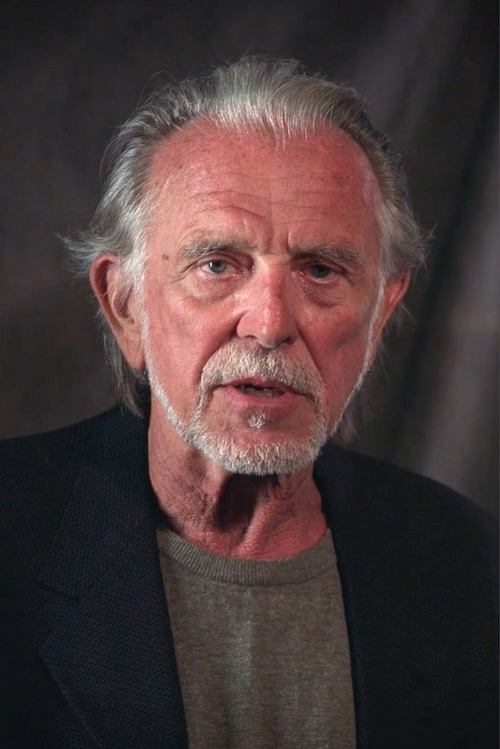
Filmmaker quote“It's very much like filmmaking always is-you're always asked to do something that you're not sure you know how to do. So you make an educated guess as to what you think will work and you hope between that and plan B, that you can end up with a product that's really good.”
John Dykstra
Themes and Subtext
On its surface, Fantastic Voyage is an adventure thriller, but beneath this lies an exploration of human vulnerability and the limits of scientific intervention. The film grapples with the idea of control—over the body, nature, and fate.

The shrinking journey metaphorically reflects humanity’s attempt to master the unseen, probing the mysteries within ourselves as well as the universe. It also subtly engages with Cold War anxieties about technology’s double-edged sword: a tool for salvation or destruction.
Raquel Welch’s character, the biologist Cora Peterson, introduces a progressive dimension for 1960s cinema—a competent, intelligent female scientist rather than a mere romantic interest or damsel, hinting at evolving gender roles within science and society.
- Exploration of human fragility and resilience.
- Science as both a marvel and a potential hazard.
- Gender dynamics in a male-dominated narrative.
The Director’s Vision
Richard Fleischer, known for his versatility and command across genres, approached Fantastic Voyage with a clear intent to blend spectacle with narrative coherence. His direction ensures that the extraordinary premise remains accessible and emotionally engaging.
Fleischer’s background in noir and adventure films is evident in the film’s suspenseful sequences and character-driven moments. He balances a clinical depiction of scientific detail with the palpable human drama of a mission against time.
His collaboration with the special effects team, led by John Dykstra, although not credited in this film, helped pioneer techniques that allowed audiences to visualize the microscopic world convincingly, setting a benchmark for future visual effects in science fiction.
Reception at the Time of Release
Upon its release in 1966, Fantastic Voyage was met with both popular acclaim and critical interest. It capitalized on the decade’s enthusiasm for space-age and scientific themes, appealing to a wide audience eager for escapism combined with intellectual stimulation.
Critics praised its innovative special effects and imaginative premise, though some noted the occasional weaknesses in character development and dialogue. Despite this, the film was a commercial success and earned several Academy Award nominations, notably for visual effects, art direction, and sound.
The film’s premiere coincided with a period of rapid technological optimism, and it fit neatly within the cultural zeitgeist, capturing imaginations eager for scientific exploration and adventure beyond Earth.
Comparison to Other Works by the Director
Richard Fleischer’s oeuvre is marked by its diversity, ranging from the intense noir of The Narrow Margin (1952) to the historical epic 20,000 Leagues Under the Sea (1954). Fantastic Voyage occupies a unique place, combining his flair for tightly controlled suspense with a futuristic vision.

Unlike the gritty realism of films like Compulsion (1959), Fantastic Voyage revels in imaginative visual storytelling. However, Fleischer’s consistent focus on character dynamics under pressure remains intact, evident in the relationship tensions and ethical dilemmas faced by the crew.
His later works, such as Soylent Green (1973), would further delve into speculative futures, but Fantastic Voyage is arguably the film where Fleischer most ambitiously explored science fiction as a cinematic tool for both wonder and warning.
Narrative Structure and Pacing
The film’s narrative unfolds in a linear, goal-driven manner, mirroring a classic mission-based plot. This straightforward structure serves the film well, given its complex scientific premise, allowing viewers to focus on the visual spectacle and character stakes without confusion.

Early exposition is economical, quickly establishing the crisis and the stakes. The bulk of the runtime focuses on the internal voyage, with rising tension as the crew encounters biological obstacles and internal conflicts.
While the climax delivers the expected resolution, it’s the journey itself—marked by moments of awe and danger—that sustains the film’s momentum and emotional investment.
- Clear beginning, middle, and end with escalating tension.
- Balanced focus on procedural elements and personal drama.
- Pacing that blends contemplative sequences with bursts of suspense.
Related on Filmmaking Lifestyle
Read next: Contempt: Visual Style, Ideas, and Impact, Fly Away Home: Visual Style, Ideas, and Impact, and From Here to Eternity: Visual Style, Ideas, and Impact.
Final Thoughts
Fantastic Voyage remains a seminal work in the canon of science fiction cinema, a film that dared to visualize the invisible and make the microscopic thrilling. Its blend of scientific curiosity, adventure storytelling, and technical innovation encapsulates the spirit of 1960s speculative film.
Though some character elements feel dated, the film’s impact on visual effects and its influence on subsequent science fiction narratives are undeniable. Fleischer’s direction anchors a sometimes fantastical journey with enough human concern to keep audiences invested.
More than half a century later, Fantastic Voyage continues to inspire filmmakers and audiences alike, a testament to the enduring power of cinematic imagination and the human desire to explore the unknown realms within ourselves.
Interested in more Film History breakdowns?


New comments are not currently accepted.
Comments