
On this pageTap to expand
Jordan Peele emerged onto the cinematic landscape not merely as a director but as a cultural force, reshaping how horror can function as social critique. From his roots in comedy to his rapid ascendancy as one of the most distinctive voices of the 21st century, Peele has proven that genre filmmaking, particularly horror, is fertile ground for exploring deep societal fissures and anxieties.
His films are a masterclass in blending entertainment with incisive commentary, using the conventions of suspense, dread, and the uncanny to confront themes of race, identity, and cultural paranoia. This is no mere pastiche; Peele’s work taps into a rich lineage of horror but retools it with a sharp, satirical edge, confounding expectations and inviting viewers to look beneath the surface of both the story and society.

Working since 2017 as a director, Peele’s filmography remains relatively concise yet profoundly impactful. With core titles like Get Out, Us, and Nope, he has carved a unique niche that bridges the mainstream and the subversive. His style is evocative of a lineage that includes directors who wield genre as a tool of cultural reflection and critique.
The Breakthrough Moment
Peele’s breakthrough came with Get Out (2017), a film that revolutionized horror’s potential to interrogate racial dynamics in America. The film’s narrative—centered on a Black man’s visit to his white girlfriend’s family—uses horror tropes to expose the microaggressions and systemic oppression experienced by African Americans.
What made Get Out stand out was its uncanny ability to fuse genuine horror with biting social commentary without sacrificing either. The film was both a critical and commercial success, signaling a paradigm shift in how audiences and studios viewed horror as a serious, socially engaged art form. It was a moment that heralded Peele’s arrival as a visionary filmmaker.
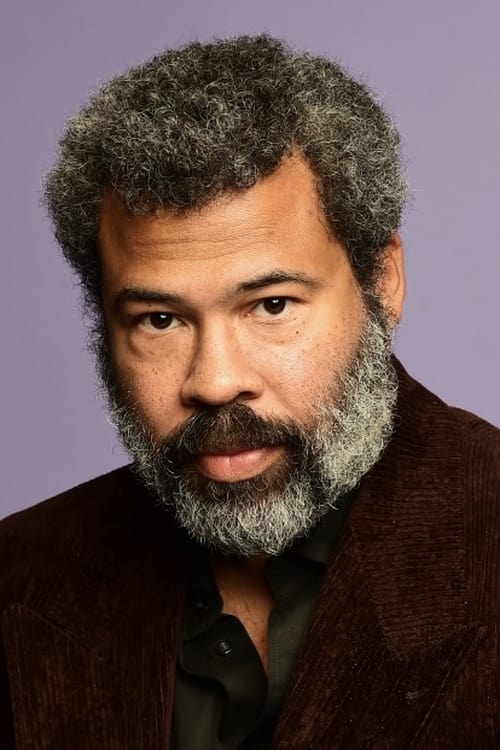
Filmmaker quote“You hear it said time and time again by successful directors: You have to make a movie for yourself. Don’t make it for anyone else.”
Jordan Peele
Editing Rhythm and Narrative Shape

Peele’s editing style is deliberately paced, building tension with a rhythm that oscillates between slow, atmospheric scenes and sudden bursts of terror. This approach amplifies the psychological unease that permeates his films, creating a narrative shape that is both hypnotic and unsettling.
His narratives often unfold with a careful layering of clues and red herrings, inviting viewers to piece together a puzzle while remaining on edge. Peele’s use of editing supports this structure, oscillating between intimate character moments and broader societal implications without losing momentum or coherence.
Studio Years vs Independent Years

Unlike many auteurs who transition from indie to studio filmmaking, Peele began his directorial career already aligned with major studios, largely due to his established reputation from television and comedy. This access allowed him to maintain creative control while operating within the resources of large-scale production.

His films are notable for balancing the polish and scope afforded by studio backing with the subversive sensibilities of independent cinema. This synthesis has enabled Peele to reach wider audiences without diluting his message or stylistic intentions.
The Films That Best Represent Their Style
- Get Out (2017) – The archetype of Peele’s blend of horror and social critique.
- Us (2019) – A more ambitious exploration of duality, privilege, and identity.
- Nope (2022) – Expanding his thematic reach into spectacle and the nature of spectacle itself.
- Untitled Jordan Peele Film – A much-anticipated project that promises to continue his trajectory of innovative genre storytelling.
The Signature Film, Revisited
Get Out stands as Peele’s signature work, a film that balances genre mechanics with a subversive critique of liberal racism. It took a familiar horror setup and transformed it into a searing allegory on identity and systemic oppression. The film’s clever narrative and iconic imagery—like the hypnotic "sunken place"—have become part of cultural discourse.
Moreover, Get Out exemplifies how Peele elevates horror beyond jump scares, crafting an experience that is as intellectually engaging as it is viscerally unsettling. It remains a touchstone for filmmakers seeking to use genre as a vehicle for meaningful social commentary.
Early Life and Formative Influences
Born in New York City in 1979, Jordan Peele grew up immersed in a diverse cultural milieu that profoundly shaped his worldview. His background in sketch comedy and television—particularly his work on the landmark series Key & Peele—provided a foundation for his sharp, satirical sensibility.
Peele's cinematic influences are eclectic, spanning from classic horror auteurs to social satirists. Directors such as Alfred Hitchcock and Stanley Kubrick taught him the power of atmosphere and meticulous craftsmanship, while the social consciousness of filmmakers like Spike Lee informed his thematic concerns.
This fusion is evident in the way he carefully constructs mood while embedding pointed commentary.
What Filmmakers Can Learn From Them
- Genre as commentary: Peele demonstrates how to harness genre conventions to address complex societal issues without sacrificing narrative engagement.
- Balancing accessibility and depth: His films appeal to broad audiences while offering layers of meaning for deeper analysis.
- Visual storytelling: Peele’s use of symbolism and carefully composed shots exemplifies how cinema communicates beyond dialogue.
- Risk-taking within studios: He illustrates that bold, original visions can thrive within mainstream studio frameworks.
- Subversion of expectations: Peele’s work challenges genre norms, encouraging filmmakers to innovate rather than replicate.
Worldview, Politics, and Subtext
Jordan Peele’s films serve as a mirror reflecting America’s ongoing struggles with race, identity, and power structures. His worldview is deeply skeptical of surface-level liberalism and the illusion of post-racial society.

By using horror’s allegorical potential, Peele exposes the latent violence and psychological trauma embedded in institutional and cultural racism.
His political subtext is never didactic; rather, it invites viewers to question their assumptions and become active participants in unpacking social realities. In this way, Peele’s cinema is not only entertainment but an invitation to dialogue about uncomfortable truths.
Related on Filmmaking Lifestyle
Read next: Abel Gance: A Practical Guide to the Filmography, Agnieszka Holland: A Practical Guide to the Filmography, and Alexander Payne: A Practical Guide to the Filmography.
Wrapping Up
Jordan Peele has swiftly established himself as a transformative figure in contemporary cinema. His unique ability to blend horror with incisive social critique redefines what genre films can achieve both artistically and culturally.
By marrying sharp satire with chilling narratives, Peele’s work transcends entertainment to become a vital force in the ongoing conversation about race, identity, and society.
As he continues to develop new projects, Peele’s influence on both filmmakers and audiences is poised only to grow. His films remind us that horror is not merely about fear—it is about unveiling the fears we live with every day.
Want to explore more directors next?
Every great film starts with a great director. See our picks.

Atom Egoyan: What to Notice on a Rewatch

George A Romero: A Practical Guide to the Filmography

Rusudan Chkonia: The Career That Changed the Medium

Takahiro Miki: The Career That Changed the Medium

Andras Salamon: What Makes the Work Instantly Recognisable

Lina Wertmuller: A Deep Dive Into Style and Story

Mitsuyo Seo: The Films That Define a Vision

Youssef Chahine: The Films That Define a Vision

Danis Tanovic: The Career That Changed the Medium


New comments are not currently accepted.
Comments