
On this pageTap to expand
Steven Soderbergh stands as one of modern American cinema’s most protean and influential directors. Emerging from the independent film wave of the late 1980s, he quickly established a reputation for restless experimentation and genre fluidity.
His work spans a remarkable breadth—from intimate indie dramas to sprawling ensemble crime capers—always underpinned by a sharp eye for narrative innovation and a willingness to challenge conventional storytelling norms.

What distinguishes Soderbergh is not simply his technical prowess but his thematic preoccupations: power dynamics, moral ambiguity, and the intricate psychology of individuals caught in high-stakes environments. He navigates these themes across a kaleidoscope of genres, refusing to be pigeonholed as a specialist.
This versatility, coupled with a penchant for formal experimentation—whether through editing, cinematography, or narrative structure—makes his oeuvre a rich field for study and appreciation.
His career trajectory itself reflects a balance between commercial success and artistic daring, with landmark films that have entered the cultural lexicon, such as Traffic and the slickly entertaining Ocean’s Eleven. Yet alongside these hits lie less conventional works that reveal his restless creative spirit and desire to push cinematic boundaries.
Genre Patterns and Left Turns
Soderbergh’s filmography resists simple categorization, but it often orbits around crime and thriller genres, filtered through a prism of social commentary and psychological depth. The Ocean’s trilogy—Ocean’s Eleven, Ocean’s Twelve, and Ocean’s Thirteen—showcases his flair for stylish, ensemble heist films that blend humor, suspense, and complex character interplay. These films highlight his ability to craft slick, crowd-pleasing entertainment without sacrificing narrative intricacy.
Yet Soderbergh is equally adept at more grounded, issue-driven cinema. Traffic offers a sprawling, multi-perspective exploration of the drug trade, weaving together disparate storylines that confront systemic corruption and personal tragedy. Similarly, Erin Brockovich combines a biographical drama with sharp social critique, anchored by a compelling central performance.
His genre turns often come with unexpected shifts in tone and style. From the clinical, almost detached aesthetic of Solaris—a bold remake of Tarkovsky’s sci-fi classic—to the visceral and kinetic Haywire, an action thriller led by a female protagonist, Soderbergh embraces formal experimentation. Even the psychological thriller Side Effects and the claustrophobic horror of Unsane demonstrate his readiness to explore new narrative territories, often employing innovative shooting and editing techniques.
- Crime and heist films as signature genres
- Social issue dramas and biopics
- Science fiction and psychological thriller experiments
- Genre blending and tonal shifts within single works

Discovery calls that win corporate & branded work
Align with marketing stakeholders faster: stakeholder map, success metrics, and approval paths — distilled into a practical checklist.
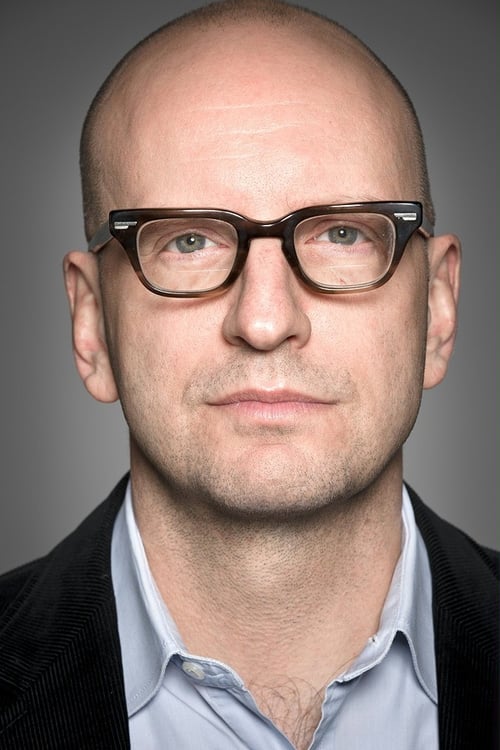
Filmmaker quote“I look at other filmmakers and see skills in them that I wish I had but I know that I don't. I feel like I have to work really hard to keep myself afloat, doing what I do. But I find it pleasurable.”
Steven Soderbergh
Early Life and Formative Influences
Born in Atlanta, Georgia, in 1963, Steven Soderbergh grew up in Baton Rouge, Louisiana, a region steeped in Southern Gothic narratives and complex social fabrics. This background subtly informs his interest in characters grappling with moral dilemmas and systemic forces.
His early influences are eclectic, reflecting a deep cinephilia that spans classic Hollywood, European art cinema, and contemporary American independent film. Directors such as John Huston and Orson Welles likely informed his narrative ambition and stylistic boldness, while the psychological depth and narrative fragmentation of filmmakers like Ingmar Bergman and Jean-Luc Godard can be sensed in his work’s more experimental moments.

Soderbergh’s debut feature, sex, lies, and videotape (1989), heralded a new voice in American cinema: intimate, sharply observed, and technically inventive. It broke through the indie film scene with its frank exploration of sexuality and communication, signaling the arrival of a director deeply attuned to the complexities of human behavior.
Studio Years vs Independent Years

Soderbergh’s career is often noted for the oscillation between big-budget studio projects and smaller, independent endeavors. His early success with sex, lies, and videotape opened doors to Hollywood, where he directed commercially viable films like Erin Brockovich and the Ocean’s franchise. These studio projects granted him access to A-list actors and substantial resources, enabling him to refine his craftsmanship within a mainstream context.
Yet Soderbergh has never been content to rest in the commercial sphere. Parallel to his studio work, he has consistently pursued independent films and experimental projects—often under pseudonyms—that allow for more creative freedom. Films like Che: Part One and Unsane demonstrate his commitment to unconventional storytelling and production methods, such as shooting on iPhones or employing rapid editing techniques.
This duality between commercial and experimental filmmaking underscores Soderbergh’s unique position in contemporary cinema: a director who navigates the industrial demands of Hollywood without sacrificing his artistic ambitions.
The Signature Film, Revisited
If one film epitomizes Soderbergh’s artistry, it is undoubtedly Traffic (2000). This sprawling, multi-narrative drama dissects the American drug crisis with a clinical yet deeply human approach. Its interwoven stories, shifting perspectives, and distinct color palettes for different narrative threads exemplify Soderbergh’s command of form and content.
Traffic not only showcases his ability to handle complex storytelling on a large scale but also his interest in systemic power and moral ambiguity. The film is neither celebratory nor simplistic; it exposes the tangled web of politics, personal failings, and societal pressures that fuel the drug war.
Revisiting Traffic today reveals its prescience and formal inventiveness, qualities that have influenced countless filmmakers tackling multi-layered narratives. It remains a cornerstone of his filmography and a testament to his skill in balancing entertainment with profound social inquiry.
Constraints That Shaped the Work
Soderbergh’s career has been shaped in part by his embrace of technological and budgetary constraints as creative opportunities. Early in his career, working within the independent film sector meant limited resources, which encouraged an economical and inventive approach to storytelling and production.
Later, he became a pioneer in digital filmmaking, adopting new tools that allowed for faster shooting schedules and unconventional visual styles. For instance, Unsane was famously shot entirely on an iPhone, resulting in an intimate, claustrophobic aesthetic that serves the film’s psychological themes.
His willingness to experiment within constraints extends to narrative form as well. Whether using fragmented editing, multiple viewpoints, or shifting tones, Soderbergh leverages limitations as springboards for innovation rather than obstacles.
How to Start Watching Their Work

For newcomers, starting with the duality of Soderbergh’s style offers the clearest introduction. Begin with Ocean’s Eleven to experience his flair for sophisticated, stylish entertainment. Its ensemble cast, witty screenplay, and sleek direction exemplify the accessible side of his work.

Then, watch Traffic to appreciate his capacity for serious, socially engaged cinema. These two films together provide a window into his thematic concerns and narrative versatility.
For a taste of his independent roots, the debut sex, lies, and videotape remains essential viewing. More adventurous viewers can explore Side Effects or Unsane to see his engagement with psychological thriller conventions and formal experimentation.

Less cold outreach, more inbound interest
If chasing DMs isn’t your thing, this guide maps lighter-touch ways to stay visible to buyers who already hire video — without feeling salesy.
- Ocean’s Eleven (2001) – stylish heist film
- Traffic (2000) – multi-narrative social drama
- sex, lies, and videotape (1989) – indie debut
- Side Effects (2013) / Unsane (2018) – psychological thrillers
Influence on Later Filmmakers
Soderbergh’s impact on contemporary cinema is significant and multifaceted. His seamless movement between independent and studio filmmaking has inspired directors to pursue hybrid careers that balance art and commerce.
The formal inventiveness seen in his narrative structures and visual techniques has resonated with filmmakers seeking to push genre boundaries.
His pioneering use of digital technology has helped legitimize new production methods, encouraging a generation of filmmakers to embrace digital cinematography and unconventional tools without sacrificing quality or vision.
Moreover, his thematic focus on power structures, moral complexity, and human behavior continues to influence directors who explore social issues within genre frameworks. His legacy is particularly evident in crime cinema and psychological thrillers that blend entertainment with incisive character studies.
Collaborators: Writers, DPs, Editors, Composers
Soderbergh’s collaborations have been integral to his distinctive style. He often serves as his own cinematographer and editor—under pseudonyms—reflecting his hands-on approach and desire for control over the aesthetic and rhythm of his films.
Regular collaborators include editor Anne V. Coates, whose experience brings narrative precision, and composer Cliff Martinez, whose atmospheric scores have become synonymous with Soderbergh’s mood-driven storytelling, as in Traffic and Solaris.
He also works repeatedly with actors such as George Clooney and Julia Roberts, cultivating trusted partnerships that enhance character depth and on-screen chemistry. Clooney’s involvement in Out of Sight and the Ocean’s trilogy exemplifies this fruitful collaboration.
- Steven Soderbergh – frequently cinematographer/editor (pseudonyms)
- Anne V. Coates – editor
- Cliff Martinez – composer
- George Clooney, Julia Roberts – recurring actors
Related on Filmmaking Lifestyle
Read next: Aleksandr Ptushko: Themes, Technique, and Legacy, Boris Khlebnikov: Themes, Technique, and Legacy, and Corey Yuen: Themes, Technique, and Legacy.
Wrapping Up
Steven Soderbergh’s career defies easy categorization, marked by a restless intelligence and artistic courage that continually reshapes expectations of mainstream and independent filmmaking alike. His versatility, from the glitzy capers of the Ocean’s trilogy to the sober, systemic critique of Traffic, demonstrates a filmmaker unafraid to explore the full spectrum of cinema’s potential.
By embracing technological innovation, narrative experimentation, and diverse genres, Soderbergh has crafted a body of work that is as compelling as it is varied. For students and cinephiles alike, his films offer a masterclass in balancing commercial appeal with artistic integrity, making him an indispensable figure in the landscape of contemporary American cinema.
Up for more film history and directors?
Every great film starts with a great director. See our picks.

Atom Egoyan: What to Notice on a Rewatch

George A Romero: A Practical Guide to the Filmography

Rusudan Chkonia: The Career That Changed the Medium

Takahiro Miki: The Career That Changed the Medium

Andras Salamon: What Makes the Work Instantly Recognisable

Lina Wertmuller: A Deep Dive Into Style and Story

Mitsuyo Seo: The Films That Define a Vision

Youssef Chahine: The Films That Define a Vision

Danis Tanovic: The Career That Changed the Medium


New comments are not currently accepted.
Comments