
On this pageTap to expand
Spike Jonze occupies a distinctive place in contemporary American cinema, a director whose work consistently defies easy categorization. Emerging in the late 1990s with a bold, idiosyncratic voice, Jonze has become synonymous with films that blend surrealism, emotional intelligence, and a playful yet profound interrogation of identity.
His oeuvre spans from offbeat comedies to visually inventive dramas, always maintaining a unique sensitivity to the quirks and complexities of human consciousness.

Jonze’s cinematic vision is marked by a restless inventiveness, underpinned by a deep curiosity about the nature of selfhood and emotional connection. This is no accident given his background in skateboarding and music video direction, where visual experimentation and rapid narrative shifts are standard. Transitioning smoothly into feature filmmaking, he carved a niche that bridges avant-garde sensibility with mass appeal, as evidenced by cult favorites such as Being John Malkovich and the melancholic futurism of Her.
Throughout his career, Jonze has challenged the boundaries of narrative cinema, drawing influences from a wide spectrum of artists and filmmakers while maintaining a voice unmistakably his own. His films are visual playgrounds where surreal comedy meets heartfelt drama, inviting viewers to reconsider the fluidity of identity and the complexity of human emotions.
Early Life and Formative Influences
Filmmaker quote“On everything I do I’m always taking someone’s money, whether it’s a movie studio or a record label. Somebody’s paying for it, and I’m always respectful of that. But I’m never going to compromise.”
Spike Jonze
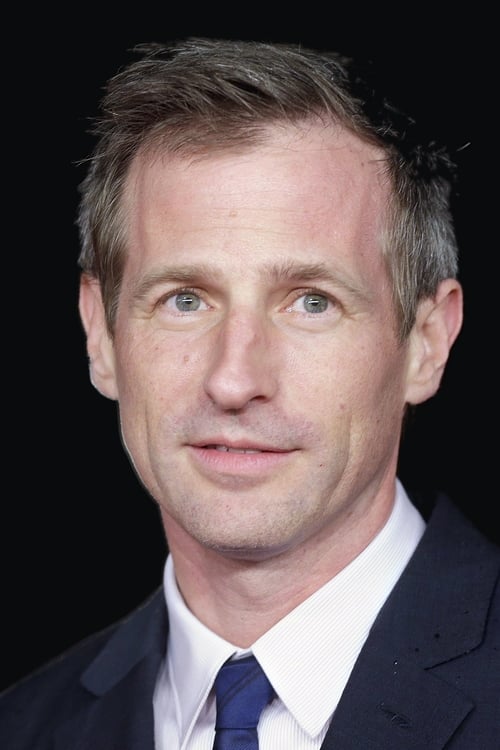
Born in Rockville, Maryland in 1969, Spike Jonze’s early years were steeped in the countercultural currents of late 20th-century America. Raised in a family connected to the arts, Jonze gravitated toward creative expression from a young age.
His initial foray into the visual arts came through skateboarding culture—a subculture that values innovation, risk-taking, and an irreverent spirit.
Before his feature film debut, Jonze gained recognition directing music videos and short films, honing a visual language characterized by kinetic energy and surreal humor. Early works like Goldfish (1993) and World Industries - Rubbish Heap (1989) hint at his penchant for blending the bizarre with the everyday, a style that would mature in his later features.

Sound sharp on your next discovery call
A printable checklist built for video company owners: what to ask, what to listen for, and how to qualify leads without sounding robotic.
Jonze’s influences are eclectic, ranging from the absurdity of Charlie Kaufman’s screenwriting to the emotional minimalism of European auteurs. Other formative figures include the playful yet profound narrative approaches of directors such as Michel Gondry and Wes Anderson, with whom Jonze shares a fascination for meticulous production design and whimsical storytelling.
Filmmaker quote“If you compromise what you’re trying to do a little bit, you’ll end up compromising a little more the next day or the next week, and when you lift your head you’re suddenly really far away from where you’re trying to go.”
Spike Jonze
Place in National Cinema and Film History
Within the landscape of American cinema, Spike Jonze occupies a unique intersection between mainstream accessibility and auteur-driven experimentation. His emergence in the late 1990s coincided with a flourishing independent film scene that embraced offbeat narratives and inventive storytelling techniques.

Jonze is often grouped with directors who redefined the American indie aesthetic, yet his work stands apart for its dreamlike quality and emotional nuance. Films like Being John Malkovich (1999) not only challenged traditional narrative structure but also questioned the very nature of identity and consciousness, themes less commonly addressed in Hollywood at the time.
His contribution extends beyond narrative cinema; Jonze’s early work in music videos for influential bands helped shape the visual culture of the 1990s and 2000s. This crossover between commercial and artistic realms situates him as a key figure in the evolution of multimedia storytelling in the digital age.
Genre Patterns and Left Turns

Jonze’s filmography is marked by a dynamic interplay between genre conventions and subversion. While his films often inhabit the realm of comedy and drama, they resist straightforward categorization, frequently incorporating elements of fantasy, science fiction, and surrealism.
For example, Her (2013) is ostensibly a romantic drama but layered with speculative fiction aspects that explore the evolving relationship between humans and technology. Similarly, Where the Wild Things Are (2009) adapts a children’s story into a deeply emotional meditation on childhood and loneliness, balancing fantasy with psychological realism.
Jonze’s willingness to take unexpected turns within genre expectations makes his work unpredictable and refreshingly original. Even when tackling seemingly conventional subjects, his films are imbued with quirky, often dreamlike qualities that defy simple genre labels.
- Surreal comedy as seen in Being John Malkovich
- Melancholic sci-fi romance in Her
- Fantasy-drama blend in Where the Wild Things Are
- Documentary and narrative hybrid in Beastie Boys Story
The Deep Cuts Worth Your Time
Beyond his well-known features, Jonze’s early and lesser-known works offer valuable insight into his evolving style and thematic preoccupations. Films like Goldfish (1993) showcase his early experimentation with narrative and imagery, laying the groundwork for his later feature films.
His short films and music videos, such as Beastie Boys: Sabotage (1994), reveal his flair for kinetic, highly stylized storytelling and his ability to blend humor with a strong visual identity. These works also demonstrate his skill in editing and pacing, crucial components of his cinematic voice.
Other lesser-known projects such as Chocolate - Las Nueve Vidas De Paco (1995) and Chocolate - The Chocolate Tour (1999) highlight Jonze’s early engagement with documentary aesthetics and his interest in exploring subcultures outside the Hollywood mainstream.
Editing Rhythm and Narrative Shape
Spike Jonze’s background as an editor and music video director profoundly influences the rhythm and structure of his films. His editing style is often characterized by an elastic sense of timing—scenes can linger to emphasize emotional resonance or snap quickly to underscore absurdity or tension.
In films like Adaptation. (2002), Jonze plays with non-linear narrative and metafictional layers, reflecting the complexity of creativity and identity through editing choices that blur boundaries between reality and fiction. His ability to modulate pace supports both comedic timing and the unfolding of deep emotional arcs.
This editing sensibility extends to his documentaries and concert films, where dynamic cuts and visual motifs create immersive, almost tactile experiences. The seamless interplay between narrative shape and emotional content is a hallmark of Jonze’s directorial signature.

Stay creative while the business side keeps up
You didn’t start a company to live in spreadsheets. This guide keeps client growth practical so you can protect time on set and in the edit.
Constraints That Shaped the Work
Jonze’s career has been shaped by both the opportunities and limitations of working within and around Hollywood systems. His projects often balance between independent spirit and studio resources, resulting in films that benefit from high production values while retaining a subversive edge.
Financial and practical constraints have sometimes influenced his choice of subject matter and narrative scope. For example, the adaptation of Where the Wild Things Are had to navigate the challenge of translating a beloved children’s book into a mature, emotionally complex film, balancing studio expectations with Jonze’s artistic vision.

Moreover, his background in music videos and commercials supplied a foundation for working efficiently within tight timeframes and budgets, skills that have informed his approach to feature filmmaking. This pragmatic flexibility is part of what allows Jonze to experiment boldly within commercial frameworks.
Themes That Keep Returning
At the core of Jonze’s films is a persistent exploration of identity, connection, and the human psyche. His characters often grapple with questions of selfhood, authenticity, and isolation, set against backdrops that range from the hyperreal to the fantastical.
- Exploration of consciousness: Characters in Being John Malkovich and Adaptation. confront fragmented identities and creative crises.
- Loneliness and intimacy: Her is a poignant meditation on human connection in a technologically mediated world.
- Childhood and emotional complexity: Where the Wild Things Are delves into the bittersweet terrain of growing up and emotional expression.
- Surreal humor as a coping mechanism: Often, Jonze’s humor illuminates deeper existential concerns.
His films invite audiences to reflect on what it means to be human in an age of rapid change, emphasizing vulnerability and empathy amid absurdity.
A Final Note
Spike Jonze’s filmmaking is a testament to the power of innovation rooted in emotional truth. Across more than two decades, he has crafted films that are at once playful and profound, melding visual inventiveness with deep psychological insight.
His work challenges viewers to question assumptions about identity, reality, and connection, all while offering a cinematic experience that delights the senses and stirs the heart.

As a director, Jonze continues to evolve, pushing the boundaries of storytelling while remaining firmly grounded in the complexities of human experience. For students and cinephiles alike, his filmography is a rich terrain to explore the intersections of form, genre, and theme in contemporary cinema.
Which filmmaker should we cover next?
Related on Filmmaking Lifestyle

Read next: Aki Kaurismaki: What to Notice on a Rewatch, All the President's Men: What to Notice on a Rewatch, and Apollo 11: What to Notice on a Rewatch.


New comments are not currently accepted.
Comments