
On this pageTap to expand
Todd Haynes stands as one of the most compelling voices in contemporary American cinema, a director whose work persistently probes the fissures of identity and societal expectation. Since emerging in the mid-1980s, Haynes has carved a distinctive niche, melding a meticulous visual aesthetic with narratives that interrogate gender, sexuality, and the haunting residue of mid-century American culture.
His films are at once reverent to classic Hollywood forms and defiantly subversive, often deploying melodrama and genre pastiche not as mere homage but as a means to challenge the viewer’s assumptions.

Born in Los Angeles in 1961, Haynes's career spans nearly four decades and includes a remarkable breadth of work—from the lush, color-coded worlds of Far from Heaven and Carol to the fractured biographical tapestry of I'm Not There. His films consistently resist easy categorization, blending art-house sensibility with popular genres to craft stories that are both emotionally intimate and intellectually rigorous. Haynes’s ability to reframe history and popular culture through a queer lens situates him firmly among the most influential American directors of his generation.
With a reputation for carefully constructed visuals and a narrative approach that privileges ambiguity and complexity, Haynes has emerged as a filmmaker deeply concerned with the representations of outsiders—those marginalized by gender norms, sexual orientation, or societal conventions. His work is suffused with a melancholic longing but also with a fierce insistence on visibility and nuance.
This profile explores the contours of Haynes’s career, his thematic preoccupations, and the formal innovations that define his filmography.
Early Life and Formative Influences
Todd Haynes’s upbringing in Los Angeles placed him in close proximity to the heart of American film culture, yet his sensibilities often seem to look askance at the city’s glossy surface. His early exposure to cinema was eclectic, ranging from Hollywood melodramas to underground experimental films. Haynes has cited influences that include the likes of Douglas Sirk, whose lush technicolor melodramas inspired the formal rigor and emotional depth of Far from Heaven. This connection to Sirk is more than stylistic mimicry—it’s a critical dialogue with the coded narratives of repression and appearance in mid-century America.
Other artistic influences extend beyond classic Hollywood. The iconoclastic works of Rainer Werner Fassbinder, whose plays on gender and identity resonate in Haynes’s narratives, and the queer avant-garde cinema of Derek Jarman also inform his aesthetic and thematic concerns.
The director’s work also reflects the impact of cultural theorists and artists who examine the construction of identity and the performativity of social roles, lending his films an often intellectualized underpinning that complements their emotional immediacy.

From proposal sent to signed — with less ghosting
Clear sections for next steps, assumptions, and revisions help prospects say yes faster and cut back-and-forth.
Filmmaker quote“Every actor comes with their own experience, method, methodology.”
Todd Haynes
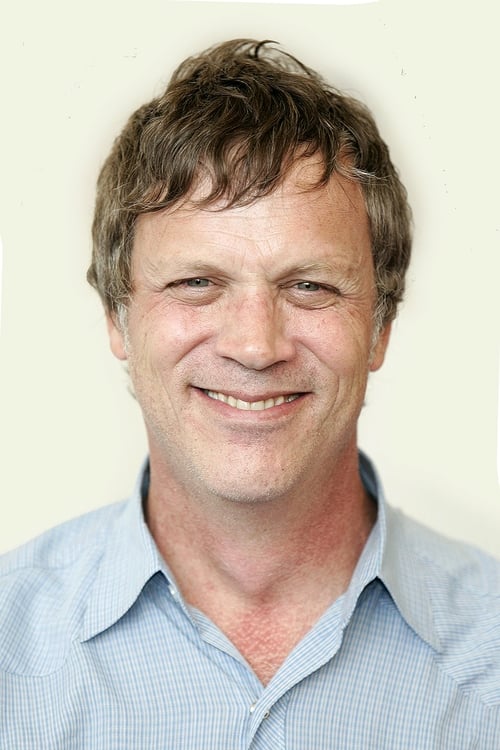
The Deep Cuts Worth Your Time
While Haynes’s better-known films like Carol and Far from Heaven rightfully garner attention for their beauty and emotional power, his early and lesser-seen works offer a fascinating glimpse into his evolving artistic concerns.

- Superstar: The Karen Carpenter Story (1987) – An audacious early work, this unauthorized claymation biopic blends pop culture obsession with a critique of fame and control, signaling Haynes’s interest in the darker undercurrents of American celebrity.
- Poison (1991) – This divisive film merges three distinct narrative styles, weaving together sci-fi, horror, and queer theory into a provocative cinematic manifesto that challenged conventional storytelling and censorship norms.
- Image Book (2023) – In this experimental essay film, Haynes extends his exploration of media and identity, employing found footage and fragmented visuals to meditate on power structures and cultural trauma.
These projects reveal Haynes’s early commitment to pushing boundaries both aesthetically and politically, setting the stage for his later, more polished works.
Editing Rhythm and Narrative Shape
One of Haynes’s defining traits is his precise control over editing rhythm, which often serves to destabilize straightforward narrative flow. His films frequently employ elliptical storytelling, flashbacks, and montage sequences that emphasize emotional states over plot mechanics. For example, I'm Not There famously fractures the Bob Dylan biography into six separate personas, each played by different actors, cutting between them in a way that resists conventional biopic linearity.

Haynes’s editing choices underscore the thematic concerns of his work—identity as fluid and fragmented rather than fixed. His narrative structures often mirror the psychological complexity of his characters, using pauses, visual motifs, and repetitions to create a lyrical pace that invites contemplation rather than mere consumption.
Recurring Actors and Creative Chemistry
Haynes has built an informal repertory of collaborators who help to realize his nuanced visions. Julianne Moore stands out as a favorite, delivering some of her most memorable performances in Safe and Far from Heaven. Moore’s ability to embody restrained yet volatile emotions makes her a perfect vessel for Haynes’s exploration of repression and identity.
Other frequent collaborators include Catherine Keener, who appeared in Far from Heaven and the miniseries Mildred Pierce, and actor Michael Shannon, whose intensity complements Haynes’s often somber tone. These working relationships seem rooted in mutual trust, allowing Haynes to coax performances that are richly detailed and emotionally intricate.
- Julianne Moore
- Catherine Keener
- Michael Shannon
- Mary Lynn Rajskub
Worldview, Politics, and Subtext
At the heart of Haynes’s oeuvre is a rigorous interrogation of the social order and the cultural mechanisms that enforce conformity. His films often highlight characters caught in the tension between personal truth and public expectation, be it through the lens of queer identity, race, or class. In Carol, the quiet revolution of forbidden love is set against the oppressive backdrop of 1950s America, illuminating how desire itself becomes a political act.
More recent works like Dark Waters reveal Haynes’s engagement with contemporary political issues, here focusing on environmental injustice and corporate malfeasance. This shift demonstrates his willingness to expand his thematic reach while maintaining a consistent moral urgency.
How They Handle Performance
Haynes’s directorial style is often described as meticulous and patient, creating environments where actors can explore subtle emotional landscapes. He favors naturalistic performances balanced with moments of heightened theatricality, a style that reflects his interest in melodrama's emotional intensity.
This approach allows performances to oscillate between restraint and expression, often revealing the internal conflicts of characters who must navigate social facades.

Ready for a steadier pipeline of video clients?
Download the free Get More Video Clients guide — positioning, outreach, and follow-up ideas built for production companies and solo operators.
His work with actors is collaborative, encouraging improvisation within the framework of carefully composed scenes. This method yields performances that feel both authentic and artfully constructed, enhancing the films’ thematic complexity without sacrificing emotional accessibility.
Place in National Cinema and Film History
Todd Haynes occupies a significant position in the landscape of American independent cinema, bridging the gap between art film and mainstream narrative. His work is frequently cited alongside that of contemporaries such as Gus Van Sant and Derek Jarman, directors who similarly interrogate identity and form.

However, Haynes’s unique synthesis of melodrama and pastiche, combined with his deep commitment to queer narratives, distinguishes him as a singular figure.
Historically, Haynes’s films participate in a lineage of American directors who use genre conventions to critique social norms, echoing the work of Douglas Sirk, Rainer Werner Fassbinder, and even Alfred Hitchcock. His aesthetic rigor and thematic boldness also place him within the broader tradition of postmodern American directors who challenge and reconfigure cinematic storytelling.
Studio Years vs Independent Years
While Haynes began his career firmly in the independent cinema world with provocative low-budget films like Poison, his later projects have navigated the space between indie and studio filmmaking. Far from Heaven and Carol both benefitted from larger budgets and greater mainstream visibility, yet Haynes retained creative control, allowing him to maintain his signature style and thematic focus.
His work on Mildred Pierce, a high-profile HBO miniseries, and the studio-backed environmental thriller Dark Waters demonstrate his ability to adapt his vision to different production contexts. Nonetheless, Haynes continues to prioritize personal, challenging material that does not easily fit commercial formulas—a testament to his enduring commitment to independent artistic values.
Related on Filmmaking Lifestyle
Read next: Damien Chazelle: What Makes the Work Instantly Recognisable, David O Russell: What Makes the Work Instantly Recognisable, and Djibril Diop Mambety: What Makes the Work Instantly Recognisable.
Final Thoughts
Todd Haynes’s career is a testament to the power of cinema as a tool for cultural critique and emotional exploration. His films offer a rare blend of intellectual depth, stylistic sophistication, and profound empathy for marginalized experiences.
Through his artful reimagining of history and genre, Haynes challenges audiences to reconsider the frameworks through which identity and desire are understood.
From his early experimental works to his polished period dramas and investigative thrillers, Haynes remains a director who defies easy categorization, consistently pushing the boundaries of form and content. For students and cinephiles alike, his filmography is a rich resource for understanding how cinema can interrogate the self and society with both rigor and heart.

Ready for another director deep dive?


New comments are not currently accepted.
Comments