
On this pageTap to expand
Pedro Almodovar is a Spanish film director, screenwriter, and producer known for his distinctive visual style and complex, emotionally charged storytelling.
With a career spanning over four decades, Almodovar has established himself as one of the most important figures in contemporary Spanish cinema and a key figure in the global independent film scene.
His films often explore themes such as sexuality, gender, family, and personal identity, and are known for their rich characters, bold colors, and unconventional narrative structures.
Best Pedro Almodovar Films
Here are some of the best Pedro Almodovar movies, as selected by audiences and critics alike.
Films at a glance
| Film | Year |
|---|---|
| All About My Mother | 1999 |
| Talk To Her | 2002 |
| The Skin I Live In | 2011 |
| Women On The Verge Of A Nervous Breakdown | 1988 |
| Volver | 2006 |
| Bad Education | 2004 |
| Live Flesh | 1997 |
| Matador | 1986 |
| Broken Embraces | 2009 |
| Tie Me Up! Tie Me Down! | 1990 |
| Pain And Glory | 2019 |
| Pepi, Luci, Bom And Other Girls Like Mom | 1980 |
| I’m So Excited! | 2013 |
| Kika | 1993 |
| What Have I Done To Deserve This? | 1984 |
| High Heels | 1991 |
| Dark Habits | 1983 |
| The Flower Of My Secret | 1995 |
| Labyrinth Of Passion | 1982 |
| Julieta | 2016 |
| Law Of Desire | 1987 |
1. All About My Mother (1999)

All About My Mother is a 1999 film directed by Pedro Almodovar. It is a touching and emotional exploration of love, loss, and motherhood, set against the backdrop of Madrid’s vibrant theater scene.
The film tells the story of Manuela, a nurse whose son is killed in a car accident, who sets out to find the father he never knew in Barcelona.
Along the way, she meets a diverse cast of characters, including a transvestite named Agrado and an AIDS-stricken actress named Huma Rojo.
Almodovar’s film is a triumph of character development, with each of the central figures in Manuela’s journey imbued with depth, humanity, and nuance.
The film’s emotional core is a powerful depiction of maternal love, as Manuela navigates the complex world of relationships and self-discovery.
The film’s visual style is a feast for the eyes, with Almodovar’s trademark use of bold, bright colors and intricate, layered cinematography.
The soundtrack is also noteworthy, featuring a mix of classic Spanish ballads and original compositions that perfectly capture the film’s tone and mood.
Overall, All About My Mother is a standout film in Almodovar’s oeuvre, and a must-see for fans of Spanish cinema and independent film.
Its complex and emotional depiction of motherhood, and its richly drawn characters and vibrant visuals, make it a film that will stay with viewers long after the credits have rolled

2. Talk To Her (2002)

Benigno, a nurse, and Marco, a journalist, meet beside the hospital beds of two women in comas: dancer Alicia and bullfighter Lydia. Their friendship grows through the men's very different ideas about care, loneliness and whether communication can exist without a response.
The film's beauty should not obscure its central violation. Benigno's devotion becomes sexual abuse, and the narrative deliberately unsettles the audience by placing tenderness, obsession and criminal harm beside one another. That ethical tension is essential to a serious reading of the film.
Almodóvar interrupts the hospital story with Pina Bausch performances, Caetano Veloso singing “Cucurrucucú paloma,” and the invented silent film The Shrinking Lover. These works do not merely decorate the plot; they express feelings the characters cannot state directly.
If you like Pedro Almodovar’s work, on our sister site AuteurGraph we have a profile page, a visual film timeline, and a ratings page that gives a tonne of info and data about their career in a visualized form.
3. The Skin I Live In (2011)
Directed by Pedro Almodóvar. Plastic surgeon Robert Ledgard (Antonio Banderas) develops a burn-resistant synthetic skin while secretly imprisoning Vera (Elena Anaya) in his secluded home. A series of flashbacks gradually reveals why he is controlling her body and how revenge, bereavement and medical power have converged.
The film borrows the clean surfaces of a luxury thriller and the body anxiety of horror. Ledgard's clinical rooms, surveillance screens and immaculate clothing make his violence appear orderly, while Vera's creative acts become attempts to reclaim an identity he has tried to manufacture.
Because the central revelation depends on coerced surgery, sexual violence and captivity, viewers should expect disturbing material. The film is strongest when approached as a story about bodily autonomy and the monstrous consequences of treating another person as raw material.

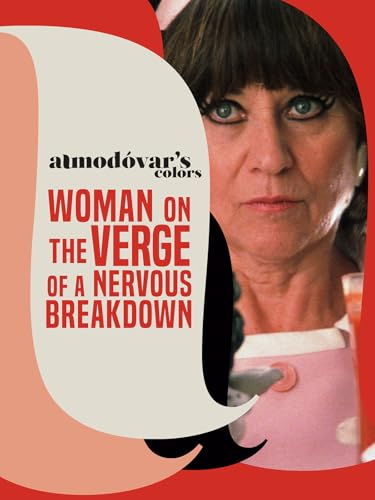
4. Women On The Verge Of A Nervous Breakdown (1988)
Voice actor Pepa (Carmen Maura) is desperate to speak to Iván, the lover who has abruptly left her—directed by Pedro Almodóvar. Before she can get an answer, her flat fills with Iván's wife and son, Pepa's friend Candela, police officers, telephone repairmen and a jug of gazpacho laced with sleeping pills.
The escalating misunderstandings borrow the machinery of screwball comedy, but the women are never interchangeable pieces. Candela's fear about her terrorist boyfriend, Marisa's accidental sleep and Lucía's long resentment all intersect with Pepa's attempt to stop Iván causing still more damage.
The bright apartment, frantic taxis and dubbing-studio dialogue turn Madrid into an artificial stage for genuine hurt. The film's international success and Academy Award nomination helped bring Almodóvar to a much wider audience.
5. Volver (2006)
Raimunda (Penélope Cruz) protects her daughter after the girl kills Raimunda's husband while resisting his sexual assault—directed by Pedro Almodóvar. As mother and daughter hide the body, Raimunda's sister Sole encounters what appears to be the ghost of their mother, Irene (Carmen Maura).
What begins like a supernatural tale becomes a story about buried abuse, family secrets and the practical solidarity of women. The title means “to return”: Irene comes back to repair harm, Raimunda returns to her home village, and old crimes surface through the very routines meant to conceal them.
Cruz's performance combines physical comedy, exhaustion and anger, particularly when Raimunda takes over a restaurant and lip-syncs the title song. Almodóvar uses the red of costumes, food and blood as a connecting motif rather than applying a generic “colourful” house style.

6. Bad Education (2004)
Filmmaker Enrique is visited by a man claiming to be Ignacio, his childhood friend from a Catholic boarding school. The visitor brings a story about their youth, the abuse Ignacio suffered from Father Manolo, and a fictionalised reunion that Enrique considers adapting.
Identity becomes unstable as the manuscript, the proposed film and the characters' later lives contradict one another. Gael García Bernal plays both Ángel and the screen persona Zahara, while Fele Martínez's Enrique investigates who has authored the story and what has been omitted.
Almodóvar frames clerical abuse through noir, melodrama and films within the film. The structure is intricate for a reason: performance can expose trauma, exploit it, or disguise a new act of manipulation.
7. Live Flesh (1997)
Directed by Pedro Almodóvar. Víctor (Liberto Rabal), born on a bus during the final months of Franco's rule, becomes entangled with diplomat's daughter Elena and police officers David and Sancho after a confrontation ends with David being shot and paralysed. When Víctor leaves prison years later, each member of the group is living with a different version of that night.
Javier Bardem's David is not the protagonist who was imprisoned; he is the wounded officer who becomes a wheelchair basketball star and Elena's husband. Their marriage, Víctor's desire and Sancho's violent jealousy create a chain of betrayals rather than a simple attempt to recover a lost romance.
The film adapts Ruth Rendell loosely and connects private lives to Spain's political transition. Its opening emergency under authoritarian rule and closing birth in a transformed Madrid give that historical movement a precise dramatic frame.


Orion Home Video
- VHS Video!
- Live Flesh
- 1997 Film
- Directed By Pedro Almodovar
- In Spanish With English Subtitles
VHS Video! Live Flesh
View on Amazon8. Matador (1986)
Directed by Pedro Almodóvar. Former bullfighter Diego Montes (Nacho Martínez), forced to retire after being gored, experiences sexual excitement through images of death. María Cardenal (Assumpta Serna), a lawyer who kills her lovers, shares his fusion of erotic desire and mortal danger.
Their path crosses Ángel (Antonio Banderas), Diego's student, who falsely confesses to murders after attempting to rape his neighbour Eva. María represents him, and police psychiatrist Julia begins to recognise the connection between the crimes and Diego.
The saturated costumes, bullfighting gestures and repeated image of a solar eclipse turn attraction into ritual. This is deliberately provocative material involving sexual violence and murder; its value lies in the disturbing parallel it builds between spectacle, repression and desire, not in treating the couple as harmless eccentrics.

9. Broken Embraces (2009)
Blind screenwriter Harry Caine once worked as film director Mateo Blanco. The arrival of a young stranger prompts him to revisit the production of Girls and Suitcases and his relationship with its star, Lena (Penélope Cruz), who was trapped in a controlling relationship with financier Ernesto Martel.
Martel funds the film and has Lena secretly recorded, turning behind-the-scenes footage into surveillance. After tragedy, Mateo abandons his name and the damaged production, but the surviving images eventually allow him to reconstruct both the film and what happened around it.
Almodóvar folds a romantic melodrama into a story about editing: dubbed dialogue, discarded takes and footage watched without sound all change what a character believes. The recreation of Women on the Verge of a Nervous Breakdown inside the film also lets him examine his own earlier style without simply repeating it.

- Pedro Almodovar, Alberto Iglesias, Luz Casal, Miguel Bose, Concha Buika, Chavela Vargas, Lola Beltran, Vicente Fernandez, Los Panchos, Ennio Morricone, Caetano Veloso, Ryuichi Sakamoto, Yo-Yo Ma, Elis Regina, Bola De Nieve, Paloma San Basilio, Ana Belen, Miguel Rios, Alaska y Dinarama, Gal Costa, Armando Manzanero, Mecano, Luis Miguel, Raffaella Carra, Marta Sanchez, Diana Ross, Barry Manilow, Bee Gees, Marianne Faithfull, Joni Mitchell, Kurt Cobain, Cat Power, Amy Winehouse
Pedro Almodovar, Alberto Iglesias, Luz Casal, Miguel Bose, Concha Buika, Chavela Vargas, Lola Beltran, Vicente Fernandez, Los Panchos, Ennio Morricone, Caetano Veloso, Ryuichi Sakamoto, Yo-Yo Ma, Elis Regina, Bola De Nieve, Paloma San Basilio, Ana Belen, Miguel Rios, Alaska y Dinarama, Gal Costa, Armando Manzanero, Mecano, Luis Miguel, Raffaella Carra, Marta Sanchez, Diana Ross, Barry Manilow, Bee Gees, Marianne Faithfull, Joni Mitchell, Kurt Cobain, Cat Power, Amy Winehouse
View on Amazon10. Tie Me Up! Tie Me Down! (1990)
Directed by Pedro Almodóvar. Recently released from a psychiatric institution, Ricky (Antonio Banderas) kidnaps actor Marina (Victoria Abril), believing that if she spends time with him she will reciprocate his love. He restrains her in her flat while trying to present the captivity as courtship.
The film's comic rhythms and eventual emotional attachment do not erase its coercive premise. Its most revealing details concern control: Ricky's improvised domestic routine, Marina's attempts to escape, and the way her physical pain makes her dependent on the person confining her.
That contradiction made the film controversial on release and continues to divide viewers. It is best discussed as an extreme, ethically fraught power struggle—not as an uncomplicated romance—and carries strong sexual, drug-use and violence content.
11. Pain And Glory (2019)
Directed by Pedro Almodóvar. Antonio Banderas plays Salvador Mallo, a filmmaker whose chronic pain, creative paralysis and isolation lead him back through memories of childhood, his mother and a former lover. A restored screening of an early success also reconnects him with Alberto, the actor he has avoided for decades.
Salvador gives Alberto an autobiographical text to perform, and the resulting monologue unexpectedly reaches Federico, the lover whose memory shaped it. Their quiet reunion is more consequential than the film's larger industry setting because it lets Salvador distinguish remembrance from reconciliation.
The cave home of Salvador's childhood, his mother's red clothes and the clean geometry of his Madrid apartment create separate emotional spaces. The final reveal then reframes memory itself as filmmaking: lived experience has become material through which Salvador can work again.

12. Pepi, Luci, Bom And Other Girls Like Mom (1980)
Pepi, Luci, Bom and Other Girls Like Mom is a 1980 film directed by Pedro Almodóvar. It is considered one of the earliest works of Almodóvar’s career, and a key example of the emerging Spanish New Wave movement of the late 1970s and early 1980s.
The film is a fast-paced and irreverent comedy that explores themes of gender, sexuality, and female empowerment.
The film’s style is marked by its playful and anarchic tone, as well as its use of bold and daring cinematography.
The film’s soundtrack is also noteworthy, featuring a mix of popular and classical music that perfectly captures the film’s eclectic and offbeat spirit.
The film’s cast is equally impressive, with standout performances from lead actress Carmen Maura, who plays Pepi, and a supporting cast of equally talented actors.
The film’s humor is often raunchy and over-the-top, but it is also undeniably clever and inventive.
Overall, Pepi, Luci, Bom and Other Girls Like Mom is a must-see for fans of Pedro Almodóvar, and a key example of the Spanish New Wave movement.
Its fast-paced and irreverent style, and its clever and entertaining humor, make it a film that is both entertaining and thought-provoking.
13. I’m So Excited! (2013)
I’m So Excited! is a 2013 film directed by Pedro Almodóvar. It is a comedy set on a flight from Spain to Mexico, where a group of passengers and flight crew must deal with a series of setbacks and mishaps.
The film is notable for its upbeat and energetic tone, as well as its use of bold and colorful cinematography.
The film’s soundtrack is also noteworthy, featuring a mix of upbeat and catchy music that perfectly captures the film’s lighthearted and playful spirit.
The film’s main cast centers on the cabin crew and passengers—including Javier Cámara, Carlos Areces, and Raúl Arévalo—with cameo appearances by Antonio Banderas and Penélope Cruz.
The film’s humor is often silly and over-the-top, but it is also undeniably clever and entertaining.
Overall, I’m So Excited! is a fun and lighthearted comedy that is sure to put a smile on the face of anyone who sees it.
Its energetic and upbeat tone, combined with its clever humor and talented cast, make it a film that is both entertaining and enjoyable.

14. Kika (1993)
Make-up artist Kika (Verónica Forqué) lives with photographer Ramón, whose novelist stepfather Nicholas may know more than he admits about the death of Ramón's mother. Their lives become material for sensationalist television reporter Andrea Caracortada, played by Victoria Abril in Jean Paul Gaultier's deliberately aggressive costumes.
The film satirises voyeurism and media exploitation, but its extended treatment of Kika's rape is itself troubling and has aged poorly. A responsible recommendation has to acknowledge that tonal failure rather than describing the film only as quirky fun.
Forqué's warmth holds together a deliberately unruly mixture of murder mystery, domestic comedy and television grotesque. The production design sets Kika's open, colourful domestic world against Andrea's weaponised camera and appetite for other people's suffering.

15. What Have I Done To Deserve This? (1984)
Gloria (Carmen Maura) works as a cleaner and holds together a cramped Madrid household: an abusive taxi-driver husband, two sons, a mother-in-law and a pet lizard. Amphetamines help her endure the labour until a domestic confrontation turns fatal.
Around that central crisis, Almodóvar assembles an eccentric but specific portrait of economic pressure—one son deals drugs, another is sent to live with a dentist, the grandmother longs for her village, and neighbour Cristal tries to build a life through sex work.
The humour is bleak rather than merely silly. Everyday appliances, advertisements and the crowded apartment make consumer aspiration collide with exhaustion, while Gloria's struggle gives the film a working-class perspective distinct from the glamorous worlds of many later Almodóvar films.
16. High Heels (1991)
High Heels is a 1991 film directed by Pedro Almodóvar. It is a dramatic comedy that explores the complex relationship between a famous singer and her estranged daughter, who is a TV news anchor.
The film’s cinematography is visually stunning, with bold, bright colors and intricate camera work that effectively captures the drama and emotional intensity of the story.
The film’s cast is also noteworthy, with standout performances from lead actresses Marisa Paredes and Victoria Abril.
The film’s storyline is well-crafted and engaging, touching on themes of mother-daughter relationships, celebrity, and identity.
Almodóvar masterfully balances the dramatic and comedic elements of the film, delivering a thought-provoking and emotionally charged story that is both entertaining and memorable.
Overall, High Heels is a standout film in the career of Pedro Almodóvar.
Its stunning cinematography, talented cast, and thought-provoking storyline make it a must-see for fans of Spanish cinema and anyone who appreciates thought-provoking and emotionally charged films.

17. Dark Habits (1983)
Dark Habits is a 1983 film directed by Pedro Almodóvar. It is a dark comedy that takes place in a convent where a singer named Yolanda takes refuge after a drug scandal.
The film is visually stunning, with bold and striking cinematography that effectively captures the mood and atmosphere of the convent. Almodóvar’s signature style is present in the film’s quirky, off-beat humor and the use of music to add depth and emotion to the story.
The film’s cast is also noteworthy, with standout performances from lead actress Cristina Sánchez Pascual and supporting actors Marisa Paredes and Chus Lampreave.
The film’s storyline is well-crafted, exploring themes of spirituality, sexuality, and the consequences of actions. Almodóvar balances the comedic and dramatic elements of the film to deliver a thought-provoking and emotionally charged story.
Overall, Dark Habits is a standout film in the career of Pedro Almodóvar. Its visually stunning cinematography, talented cast, and thought-provoking storyline make it a must-see for fans of Spanish cinema and anyone who appreciates dark comedies.
18. The Flower Of My Secret (1995)
The Flower of My Secret is a 1995 film directed by Pedro Almodóvar. It is a dramatic story about a writer named Leo who is struggling with writer’s block, a failing marriage, and her complicated bond with her still-living mother.
The film is a departure from Almodóvar’s previous work, focusing more on dramatic storytelling and less on comedic elements. It is a beautiful film, with stunning cinematography that effectively captures the mood and atmosphere of Leo’s world.
The film’s cast is also noteworthy, with a standout performance from lead actress Marisa Paredes. Paredes’ portrayal of Leo is both powerful and emotional, effectively conveying the character’s struggles and inner turmoil.
The film’s storyline is well-crafted, exploring themes of loss, self-discovery, and the power of writing. Almodóvar effectively balances the dramatic and emotional elements of the story, delivering a poignant and impactful film.
Overall, The Flower of My Secret is a standout film in the career of Pedro Almodóvar. Its stunning cinematography, powerful performance by Marisa Paredes, and well-crafted storyline make it a must-see for fans of Spanish cinema and anyone who appreciates powerful and emotional dramas.

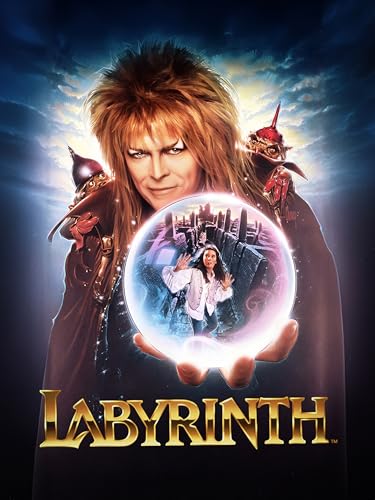
19. Labyrinth Of Passion (1982)
Labyrinth of Passion is a Spanish film directed by Pedro Almodóvar in 1982. It’s considered a classic of Spanish cinema and is known for its mix of humor, sexual content, and social commentary.
The film follows the intersecting lives of two characters, Sexilia and Riza, as they navigate through love, desire, and the eccentric world of Madrid.
Labyrinth of Passion is notable for its bold and quirky visual style, and for its exploration of themes such as gender and sexuality.
Overall, it’s an entertaining and thought-provoking film that showcases Almodóvar’s unique vision and is considered a must-watch for fans of his work.
20. Julieta (2016)
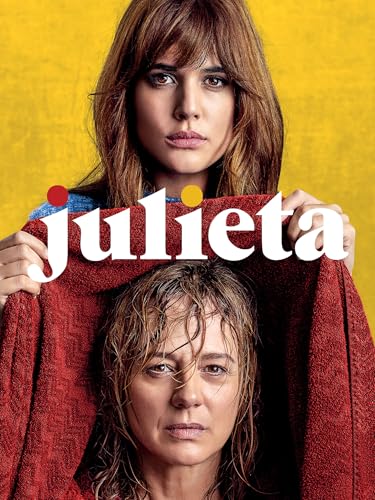
Julieta (2016) by Pedro Almodóvar is a Spanish drama film about a woman named Julieta who recounts the story of her missing daughter to a stranger.
The film showcases Almodóvar’s signature style of strong female characters, intricate storytelling, and visually striking scenes.
The performances, particularly by Emma Suárez as Julieta, are powerful and emotional. Overall, Julieta is a beautifully crafted film that explores themes of motherhood, loss, and regret. Highly recommended for fans of Almodóvar and Spanish cinema.
21. Law Of Desire (1987)
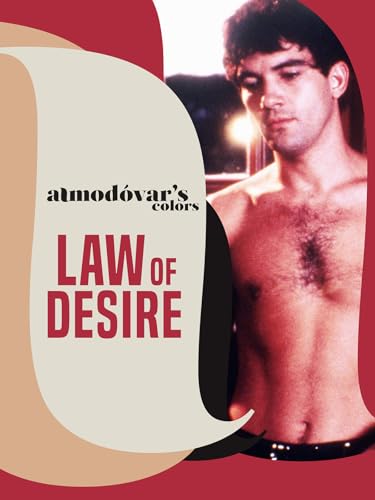
Law of Desire (1987) by Pedro Almodóvar is a Spanish comedy-drama film that explores themes of love, sexuality, and identity.
The film features a dynamic and colorful cast of characters, including a gay film director and his obsessive admirer, who navigate the complexities of relationships and desire.
Almodóvar’s distinctive style is on full display, with bold cinematography, quirky humor, and melodramatic twists.
The film also features a standout performance by Carmen Maura as the director’s sister. Overall, Law of Desire is a entertaining and thought-provoking film that showcases Almodóvar’s unique voice and vision.
A must-watch for fans of his work and for anyone interested in LGBTQ+ representation in film.
3 Characteristics of Pedro Almodovar Films
Strong Female Characters: Pedro Almodóvar’s films often feature complex, layered female characters who take center stage. These women are often portrayed as bold, independent, and capable of navigating difficult emotional and personal situations.
Visually Stunning: Almodóvar is known for his visually striking films, with bold and vibrant color schemes, imaginative set designs, and striking cinematography. He uses these visual elements to complement and enhance the emotional themes of his stories.
Exploration of Sexuality and Gender: Many of Almodóvar’s films deal with themes of sexuality, gender identity, and desire. He frequently tackles these subjects with humor and empathy, and often subverts traditional gender roles and expectations in his characters and storylines.
3 Reasons Why You Should Watch Pedro Almodovar Films
Unique Vision: Pedro Almodóvar’s films are a refreshingly original take on familiar themes and stories. He brings a distinctive voice and style to his work that is both entertaining and thought-provoking.
Strong Performances: Almodóvar frequently collaborates with talented actors, many of whom give standout performances in his films. He has a knack for bringing out the best in his actors, particularly his female leads.
Emotional Impact: Almodóvar’s films often deal with complex emotions and personal struggles. He weaves these themes into his stories in a way that is both poignant and relatable, making for a moving and memorable viewing experience.
Related on Filmmaking Lifestyle
Read next: Pedro Almodovar: Themes, Technique, and Legacy and 10 Best Robert Yeoman Movies: Colorful Narratives in Motion.
Best Pedro Almodovar Films – Wrapping Up
Here is a list of some of Pedro Almodóvar’s most highly acclaimed films:
All About My Mother (1999)
Talk to Her (2002)
Women on the Verge of a Nervous Breakdown (1988)
Volver (2006)
Pain and Glory (2019)
Bad Education (2004)
Law of Desire (1987)
Julieta (2016)
The Flower of My Secret (1995)
Fascinated by how films work? These articles will level up your knowledge.

Let's Get Lost: The Essential Breakdown

The Old Dark House: Context, Themes, and Style

Night and Fog: Themes, Mood, and Visual Language

Runaway Train: Key Ideas and Lasting Influence

Even the Wind Is Afraid: A Deep Dive Into Story and Style

Introducing The Big Combo: Why It Still Matters

A Fistful of Dollars: What to Notice on a Rewatch

Anima: A Guide to Watching It Like a Critic

Raging Bull: The Meaning Behind the Moments



New comments are not currently accepted.
Comments