
On this pageTap to expand
Pedro Almodóvar stands as one of the most distinctive voices in contemporary world cinema, a Spanish auteur whose work pulses with emotional intensity and visual bravura. Born in 1949 in the rural town of Calzada de Calatrava, Almodóvar’s cinematic vision emerged from the margins of Francoist Spain, blossoming amidst the social and cultural upheavals that defined the country’s transition to democracy.
Over four decades, he has crafted a body of work that is instantly recognizable for its vibrant color schemes, complex portrayals of gender and sexuality, and a signature blend of melodrama and dark humor.

Almodóvar’s films do not simply depict stories; they immerse audiences in lush, often surreal emotional landscapes. His narratives frequently revolve around marginalized characters—women, queer individuals, outsiders—exploring identity and desire with a frankness and sensitivity that challenged cinematic conventions and societal norms.
This boldness, paired with his meticulous aesthetic, places Almodóvar in a lineage of filmmakers who understand cinema as a medium capable of both catharsis and provocation.
From the early, energetic pulse of Women on the Verge of a Nervous Breakdown (1988) to the reflective intimacy of Pain and Glory (2019), Almodóvar’s oeuvre reveals an artist continually evolving yet unmistakably himself. His films have become essential viewing not only for their narrative richness but for their embrace of cinema’s emotional and visual potential.
Early Life and Formative Influences

Almodóvar’s upbringing in Castilla-La Mancha, a region steeped in tradition and Catholic conservatism, provided a stark counterpoint to the vibrant aesthetics and transgressive themes that would later define his work. Born in 1949, he grew up during the final years of Francisco Franco’s dictatorship, a period marked by repression and censorship.

This background instilled in him an acute awareness of social constraints and the fragility of personal freedom.
Moving to Madrid in the early 1970s, Almodóvar immersed himself in the countercultural Movida Madrileña, a post-Franco cultural movement that celebrated liberation and experimentation. This milieu nurtured his artistic ambitions and introduced him to cinema as a form of self-expression and rebellion.

His influences are diverse and eclectic, ranging from Mexican melodramas and Italian giallo thrillers to Hollywood screwball comedies and European art cinema. The imprint of filmmakers like Douglas Sirk, Rainer Werner Fassbinder, and Luis Buñuel is evident in his work’s theatricality, psychological depth, and sometimes surreal edge.
The vibrant color schemes and heightened emotional states in his films owe much to the melodramas and pop culture aesthetics that inspired him during his formative years.

A practical playbook for people who sell & shoot
Short chapters you can skim between jobs: how to stay visible to buyers, follow up without cringe, and keep the pipeline honest.
A Director’s Visual Grammar

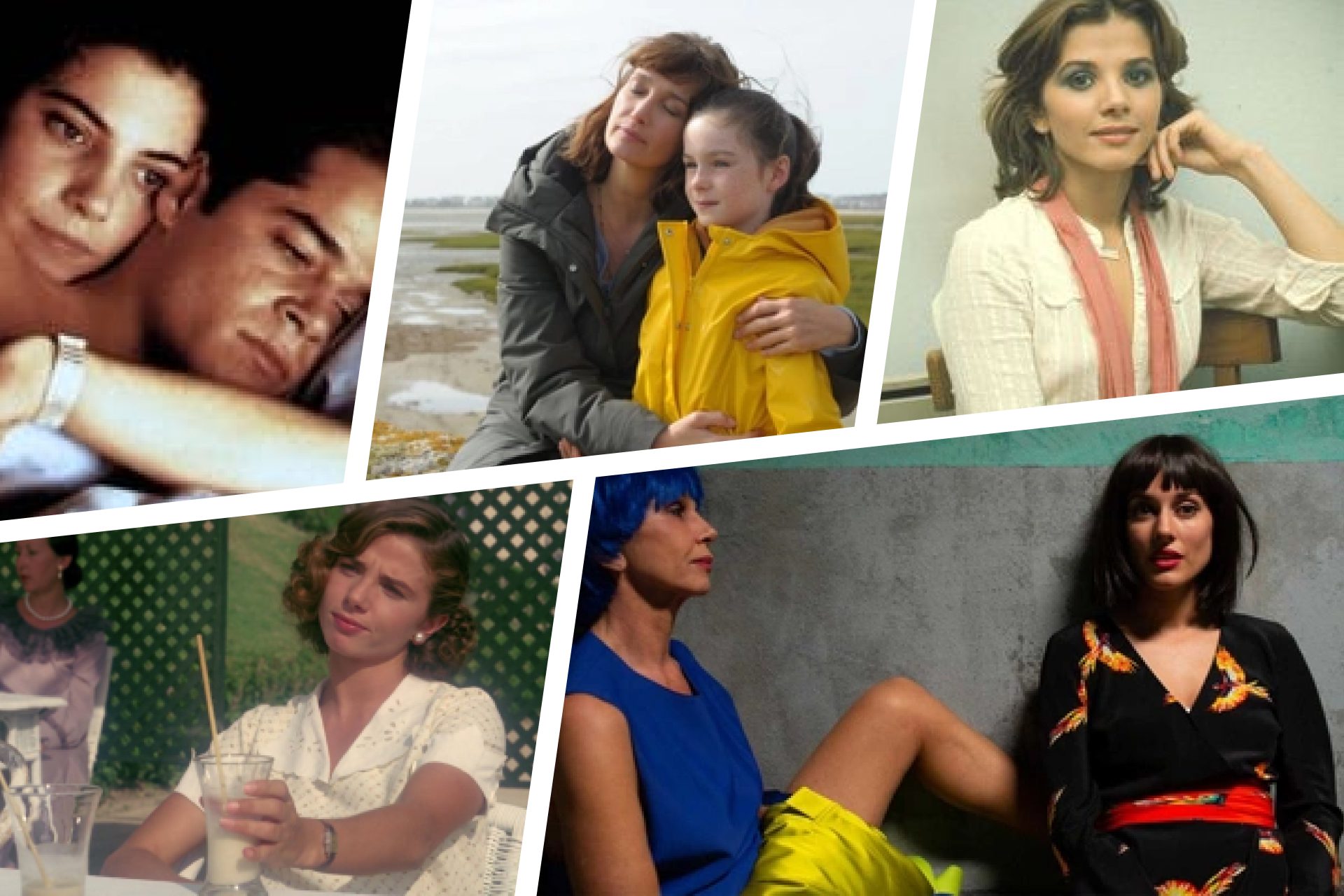
Almodóvar’s visual style is as unmistakable as his storytelling voice. His use of color is both symbolic and emotive—reds, blues, and yellows saturate his frames, creating a theatrical, almost hyperreal palette that intensifies emotional resonance.
These colors are never arbitrary; they act as psychological markers, shading characters’ inner lives and defining the mood of each scene.

Compositionally, Almodóvar favors tight framing and meticulous set design, often filling the frame with objects that carry narrative significance or thematic weight. His attention to mise-en-scène transforms even domestic interiors into elaborate emotional landscapes.
The sets and costumes often amplify his characters’ identities, desires, and conflicts, making the visual environment a key player in the storytelling.
Lighting in his films shifts between the naturalistic and the stylized, accentuating the theatricality that runs through his work. The interplay of shadows and vibrant light contributes to a sensory experience that blurs the line between reality and fantasy—an echo of melodrama’s capacity for heightened emotion and spectacle.
Genre Patterns and Left Turns

Almodóvar’s career can be seen as a continuous negotiation with genre conventions. While he often draws on melodrama, romantic comedy, thriller, and even horror, he twists these forms to explore unconventional narratives and taboo subjects. His early works, like What Have I Done to Deserve This? (1984) and Law of Desire (1987), blend dark humor with social critique, while films like Tie Me Up! Tie Me Down! (1990) push boundaries on obsession and control within romantic dynamics.

The director’s use of genre is never straightforward; his films frequently subvert expectations. For example, Talk to Her (2002) blends elements of drama, mystery, and psychological thriller, addressing themes of communication and loneliness in innovative ways. Meanwhile, The Skin I Live In (2011) ventures into horror territory, exploring identity and bodily autonomy with unsettling intensity.
This fluidity enables Almodóvar to remain unpredictable, continuously reinventing his approach while maintaining thematic coherence. His recent films, like Parallel Mothers (2021), revisit and revise melodramatic tropes, emphasizing memory and motherhood with a mature, contemplative tone.
The Breakthrough Moment
Although Almodóvar’s early 1980s films established him as a provocative new voice in Spanish cinema, it was Women on the Verge of a Nervous Breakdown (1988) that marked his international breakthrough. This film’s success showcased his ability to weave comedy and drama with vibrant style and sharp social observation. It introduced global audiences to his unique blend of farce and emotional depth, setting the stage for wider recognition.
The 1990s solidified his reputation with works such as All About My Mother (1999), which won acclaim for its complex characters and exploration of familial bonds and gender identity. This film, alongside Talk to Her, often cited as his masterpiece, earned international awards and critical respect, positioning Almodóvar as a vital figure in world cinema.
Editing Rhythm and Narrative Shape
Almodóvar’s editing style mirrors his thematic concerns, often emphasizing emotional beats and character psychology over strict linearity. His narratives frequently employ non-linear structures, flashbacks, and intertwined storylines, creating a tapestry of perspectives and memories rather than straightforward plots.
The pacing of his films balances moments of frenetic energy with quieter, introspective scenes. This oscillation engages the viewer, allowing space for reflection amid the heightened drama. His use of montage is subtle yet effective, often linking seemingly disparate scenes through visual or thematic motifs.
Almodóvar’s editing also accentuates his films’ melodramatic sensibility, lingering on faces and gestures to reveal layers of feeling. This attention to emotional rhythm transforms his narratives into immersive experiences where time bends to the characters’ interior lives.

Sound sharp on your next discovery call
A printable checklist built for video company owners: what to ask, what to listen for, and how to qualify leads without sounding robotic.
Critical Reception and Reappraisal
Over the decades, Almodóvar’s work has undergone significant critical reappraisal. Initially seen by some as a provocateur of camp and excess, his films have since been recognized for their profound humanity and cinematic craftsmanship.
Critics now acknowledge his skillful balance of genre motifs with complex explorations of identity, trauma, and desire.
Films like Bad Education (2004) and Broken Embraces (2009) have been noted for their meta-cinematic qualities and narrative complexity, reinforcing his stature as a mature storyteller. His later works, including Pain and Glory, have been praised for their autobiographical depth, marking a reflective phase that continues to engage audiences and scholars alike.
Influence on Later Filmmakers
Almodóvar’s influence extends far beyond Spain, inspiring a generation of filmmakers who admire his fearless engagement with marginalized voices and his bold aesthetic choices. Directors exploring themes of gender, sexuality, and identity often cite his work as foundational.
- His vivid color palettes and emotional storytelling have influenced auteurs worldwide who seek to blend theatricality with psychological insight.
- Almodóvar’s unapologetic treatment of queer themes paved the way for more diverse representation in cinema.
- His ability to combine genre elements with personal narrative has become a model for filmmakers aiming to balance accessibility with artistic innovation.
Filmmakers working within melodrama, LGBTQ+ cinema, and Spanish-language film traditions continue to draw inspiration from his fearless narrative and visual style.
What Filmmakers Can Learn From Them
Almodóvar’s career offers several valuable lessons for directors and screenwriters:
- Embrace Personal Voice: His work underscores the importance of authenticity and personal perspective in storytelling, proving that deeply individual narratives can achieve universal resonance.
- Color as Storytelling: His mastery of color shows how visual elements can be central to narrative and emotional expression, not merely decorative.
- Genre Fluidity: Almodóvar’s blending and subversion of genres encourages filmmakers to experiment boldly rather than adhere strictly to conventions.
- Complex Characters: His nuanced portrayals, especially of women and queer individuals, highlight the value of multidimensional characterization.
- Balance of Tone: His skillful mix of humor and tragedy teaches the power of emotional range and tonal shifts to enrich cinematic storytelling.
How to Start Watching Their Work
For newcomers to Almodóvar, a curated selection of films provides an ideal introduction to his evolving style and themes.
- Women on the Verge of a Nervous Breakdown (1988) – A lively entry point showcasing his comedic sensibility and vibrant visual style.
- All About My Mother (1999) – Demonstrates his mature exploration of identity, loss, and motherhood.
- Talk to Her (2002) – Often regarded as his narrative and stylistic peak.
- The Skin I Live In (2011) – Offers insight into his darker, more thriller-oriented turn.
- Pain and Glory (2019) – A reflective, semi-autobiographical work that encapsulates his career’s emotional depth.
Watching these films in chronological order can also enrich understanding of Almodóvar’s artistic growth and recurring motifs.
Related on Filmmaking Lifestyle
Read next: Aleksandr Ptushko: Themes, Technique, and Legacy, Boris Khlebnikov: Themes, Technique, and Legacy, and Corey Yuen: Themes, Technique, and Legacy.
Final Thoughts
Pedro Almodóvar’s contribution to cinema is both profound and enduring. His fearless embrace of marginalized perspectives, combined with a lush, expressive visual language, has carved a unique space in global film history.
His work challenges audiences to reconsider notions of identity, desire, and family, all while delivering stories that are at once intimate and theatrically grand.
His legacy is that of a filmmaker who refuses complacency, continually reinventing his craft while honoring the emotional core of cinema. For students and cinephiles alike, engaging with Almodóvar’s films offers a masterclass in blending personal storytelling with cinematic artistry, reminding us of cinema’s power to illuminate the complexities of the human experience.
Up for more film history and directors?


New comments are not currently accepted.
Comments