
On this pageTap to expand
Edward G. Robinson was an American actor who appeared in over 100 films during his career, which spanned from the early 1920s until his death in 1973.
Robinson is perhaps best known for his portrayal of gangsters and tough guys in classic films such as Little Caesar and Double Indemnity, but he also had a range of other roles throughout his career.
Robinson’s distinctive voice and intense acting style made him a standout performer, and his legacy as a Hollywood icon has endured long after his passing.
Best Edward G. Robinson Movies
In this article, we’ll explore some of Robinson’s best films, highlighting the performances and characters that made him one of the most memorable actors of his generation.
Films at a glance
| Film | Year |
|---|---|
| Double Indemnity | 1944 |
| Key Largo | 1948 |
| Larceny, Inc | 1942 |
| The Ten Commandments | 1956 |
| House of Strangers | 1949 |
| All My Sons | 1948 |
| The Sea Wolf | 1941 |
| The Last Gangster | 1937 |
| Illegal | 1955 |
| Little Caesar | 1931 |
| A Slight Case of Murder | 1938 |
| Soylent Green | 1973 |
| The Cincinnati Kid | 1965 |
| The Woman in the Window | 1944 |
| The Whole Town’s Talking | 1935 |
| Bullets or Ballots | 1936 |
| Cheyenne Autumn | 1964 |
| The Prize | 1963 |
| The Outrage | 1964 |
| A Hole in the Head | 1959 |
| The Little Giant | 1933 |
| Brother Orchid | 1940 |
| Kid Galahad | 1937 |
| Good Neighbor Sam | 1964 |
| Scarlet Street | 1945 |
1.Double Indemnity (1944)

Double Indemnity is a classic 1944 film noir directed by Billy Wilder, based on James M. Cain’s novel. Edward G. Robinson plays Barton Keyes, the sharp insurance investigator who grows suspicious of a claim filed by Walter Neff (Fred MacMurray).
Robinson’s performance as Keyes is exceptional, as he portrays a sharp and intuitive investigator who has a deep understanding of the insurance business.
He brings a level of intelligence and intensity to the role, making it clear that he won’t rest until he has uncovered the truth behind the suspicious claim. Robinson’s chemistry with MacMurray is also a highlight of the film, as the two actors play off each other perfectly in their scenes together.
Double Indemnity is a classic film noir that features some of Robinson’s finest work. His performance as Barton Keyes is one of the standout performances in the film, and it is a testament to his talent as an actor.

2.Key Largo (1948)
Key Largo is a 1948 crime-drama film directed by John Huston, based on a play by Maxwell Anderson. Edward G. Robinson plays the role of Johnny Rocco, a notorious gangster who takes over a hotel in the Florida Keys during a hurricane.
Robinson’s performance as Rocco is intense and commanding, showcasing his ability to play a ruthless and manipulative character.
He dominates the screen with his presence, delivering his lines with a chilling conviction that makes it clear he is not to be trifled with.
Robinson’s scenes with Humphrey Bogart, who plays the lead character, are particularly memorable, as the two actors have a palpable tension and conflict that drives the film forward.
Key Largo is a masterclass in acting, and Robinson’s performance as Johnny Rocco is one of the film’s greatest strengths. He brings a level of menace and danger to the character that is both captivating and terrifying, cementing his place as one of Hollywood’s most talented actors.

3.Larceny, Inc (1942)
Larceny, Inc. is a 1942 comedy film directed by Lloyd Bacon. Edward G. Robinson plays the role of Pressure Maxwell, a reformed criminal who, upon his release from prison, decides to start a legitimate business with his former cellmates by buying a luggage store.
Robinson’s performance as Pressure Maxwell is a departure from his usual tough guy roles, as he plays a comedic character who is trying to go straight.
The joke is that Pressure buys the luggage shop so he can tunnel into the bank next door, only to discover that legitimate sales are more profitable than the robbery. Robinson lets the character's growing enthusiasm for retail collide with the plans of his less adaptable partners.
If you like Edward G Robinson’s performances, on our sister site AuteurGraph we have a profile page, a visual film timeline, and a ratings page that gives a tonne of info and data about their career in a visualized form.
Robinson’s chemistry with his co-stars, including Broderick Crawford and Jane Wyman, is a highlight of the film, as they play off each other with a natural ease that makes their scenes together a joy to watch.
Larceny, Inc. may not be as well-known as some of Robinson’s other films, but it is a testament to his versatility as an actor.
His performance as Pressure Maxwell is a standout in the film, and it demonstrates that he was capable of playing a wide range of characters with equal skill and talent.

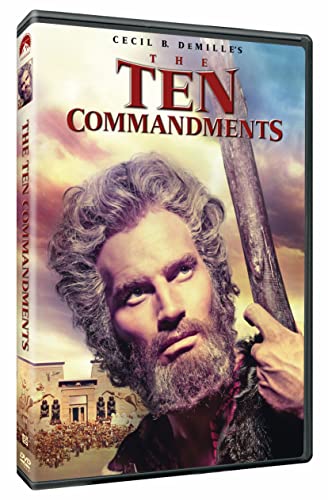
4.The Ten Commandments (1956)
The Ten Commandments is a 1956 epic directed by Cecil B. DeMille about Moses and the Hebrews’ exodus from Egypt. Edward G. Robinson plays Dathan, a Hebrew overseer who collaborates with Egyptian authority and betrays his people for personal gain.
Robinson’s performance as Dathan is a standout in the film, as he brings a level of complexity and nuance to the character.
Dathan is a Hebrew overseer who collaborates with the Egyptian authorities and repeatedly exploits fear among the enslaved Hebrews. Robinson plays his opportunism broadly, making him a human political counterweight to the film's divine spectacle.
Robinson’s scenes with Charlton Heston, who plays Moses, are particularly memorable, as the two actors have a palpable tension and conflict that drives the film forward.
The Ten Commandments is a classic Hollywood epic, and Robinson’s performance as Dathan is one of the film’s greatest strengths. He brings a level of depth and humanity to the character that elevates the film and makes it a timeless classic.
5.House of Strangers (1949)
House of Strangers is a 1949 film noir directed by Joseph L. Mankiewicz. Edward G. Robinson plays the role of Gino Monetti, an Italian-American banker who is betrayed by his own sons and sent to prison.
Robinson’s performance as Gino Monetti is powerful and emotional, as he portrays a man who is struggling to come to terms with the betrayal of his own family.
Gino's affection is inseparable from control: he built the family bank through aggressive, sometimes illegal practices and expects his four sons to remain loyal to him. Robinson makes that paternal force both charismatic and destructive.
Robinson’s chemistry with his co-stars, including Richard Conte and Susan Hayward, is also a highlight of the film, as they play off each other with a natural ease that makes their scenes together feel authentic and genuine.
House of Strangers is a lesser-known film in Robinson’s career, but it is a showcase of his talent as an actor. His performance as Gino Monetti is a standout in the film, and it is a testament to his ability to bring humanity and depth to even the most complex and difficult characters.

6.All My Sons (1948)
All My Sons is a 1948 drama film directed by Irving Reis, based on the play by Arthur Miller. Edward G. Robinson plays the role of Joe Keller, a businessman who is confronted with the consequences of his past actions.
Robinson’s performance as Joe Keller is powerful and poignant, as he portrays a man who is grappling with guilt and shame over his role in a tragedy that has affected many lives.
Joe's genial authority gradually gives way as the truth emerges about defective aircraft parts shipped from his factory during the war. Robinson's pauses and evasions show a father protecting his self-image while his surviving son demands accountability.
Robinson’s chemistry with his co-stars, including Burt Lancaster and Mady Christians, is also a highlight of the film, as they play off each other with a natural ease that makes their scenes together feel authentic and genuine.
All My Sons is a compelling drama that showcases Robinson’s talent as an actor. His performance as Joe Keller is a standout in the film, and it is a testament to his ability to bring humanity and depth to even the most challenging and complex characters.

7.The Sea Wolf (1941)
The Sea Wolf is a 1941 adventure-drama film directed by Michael Curtiz, based on the novel by Jack London. Edward G. Robinson plays Wolf Larsen, the tyrannical captain of the Ghost. Alexander Knox plays writer Humphrey van Weyden, while Ida Lupino plays fugitive Ruth Webster, another unwilling passenger.
Robinson’s performance as Wolf Larsen is a tour de force, as he portrays a brutal and merciless sea captain who rules his ship with an iron fist.
He brings a level of intensity and ferocity to the character, delivering his lines with a sense of conviction that makes it clear he is not to be trifled with.
Larsen's philosophical arguments with van Weyden reveal an intellect as formidable as his physical rule over the crew. Robinson makes that combination of literacy, cruelty and failing health more disturbing than a conventional sea villain.
The Sea Wolf is a classic Hollywood adventure film, and Robinson’s performance as Wolf Larsen is one of the film’s greatest strengths.
He brings a level of menace and danger to the character that is both captivating and terrifying, cementing his place as one of Hollywood’s most talented actors.


8.The Last Gangster (1937)
The Last Gangster is a 1937 crime drama directed by Edward Ludwig. Robinson plays Joe Krozac, a gangster deported to the United States and imprisoned for ten years on a tax conviction. During that sentence, his wife remarries and raises their son without revealing who his biological father is.
Robinson’s performance as Joe Krozac is powerful and intense, as he portrays a man who has been wronged by the justice system and is seeking revenge.
Krozac leaves prison expecting his former power and family to be waiting. Robinson instead charts the humiliation of a man who discovers that intimidation cannot recover the decade he lost or manufacture a son's affection.
Robinson’s chemistry with his co-stars, including James Stewart and Rose Stradner, is also a highlight of the film, as they play off each other with a natural ease that makes their scenes together feel authentic and genuine.
The Last Gangster is a classic Hollywood crime-drama, and Robinson’s performance as Joe Krozac is a standout in the film. It is a testament to his talent as an actor that he is able to bring such depth and humanity to a character who is often portrayed as a one-dimensional villain.

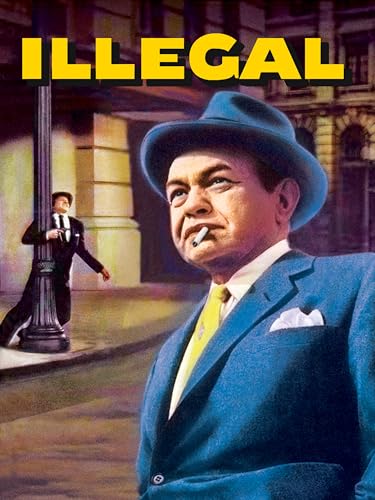
9.Illegal (1955)
Illegal is a 1955 crime-drama film directed by Lewis Allen. Edward G. Robinson plays the role of Victor Scott, a tough district attorney who bends the law to get a conviction.
Robinson’s performance as Victor Scott is commanding and intense, as he portrays a man who is determined to see justice done, even if it means crossing ethical lines.
After learning that an innocent man he prosecuted has been executed, Scott resigns and becomes a defence lawyer. Robinson makes his later courtroom brilliance inseparable from guilt and from the compromises that threaten his attempted redemption.
Robinson’s chemistry with his co-stars, including Nina Foch and Hugh Marlowe, is also a highlight of the film, as they play off each other with a natural ease that makes their scenes together feel authentic and genuine.
Illegal is a compelling crime-drama that showcases Robinson’s talent as an actor. His performance as Victor Scott is a standout in the film, and it is a testament to his ability to bring humanity and depth to even the most challenging and complex characters.
10.Little Caesar (1931)
Little Caesar is a 1931 crime-drama film directed by Mervyn LeRoy. Edward G. Robinson plays the role of Rico Bandello, a small-time crook who rises to the top of the criminal underworld.
Robinson’s performance as Rico Bandello is iconic, as he portrays a ruthless and ambitious gangster who will stop at nothing to get what he wants.
He brings a level of intensity and ferocity to the character, delivering his lines with a sense of conviction that makes it clear he is a force to be reckoned with.
Robinson’s chemistry with his co-stars, including Douglas Fairbanks Jr. and Glenda Farrell, is also a highlight of the film, as they play off each other with a natural ease that makes their scenes together feel authentic and genuine.
Little Caesar is a classic Hollywood crime-drama, and Robinson’s performance as Rico Bandello is one of the film’s greatest strengths.
It is a testament to his talent as an actor that he is able to bring such depth and humanity to a character who is often portrayed as a one-dimensional villain.
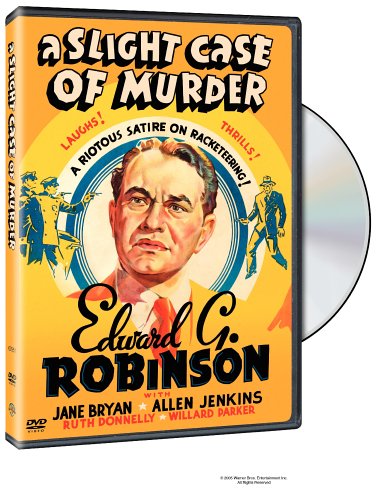
11.A Slight Case of Murder (1938)
A Slight Case of Murder is a 1938 comedy film directed by Lloyd Bacon. Edward G. Robinson plays the role of Remy Marko, a former bootlegger who is forced to go back into business when Prohibition ends.
Robinson’s performance as Remy Marko is a departure from his usual tough guy roles, as he plays a comedic character who is trying to navigate the changing times.
The comedy turns on Marko's failure at legitimate brewing: his post-Prohibition beer is undrinkable, his old associates invested their savings in the business, and several corpses unexpectedly appear in his country house during a visit from his daughter's future in-laws.
Robinson’s chemistry with his co-stars, including Ruth Donnelly and Allen Jenkins, is also a highlight of the film, as they play off each other with a natural ease that makes their scenes together feel authentic and genuine.
A Slight Case of Murder may not be as well-known as some of Robinson’s other films, but it is a testament to his versatility as an actor.
His performance as Remy Marko is a standout in the film, and it demonstrates that he was capable of playing a wide range of characters with equal skill and talent.
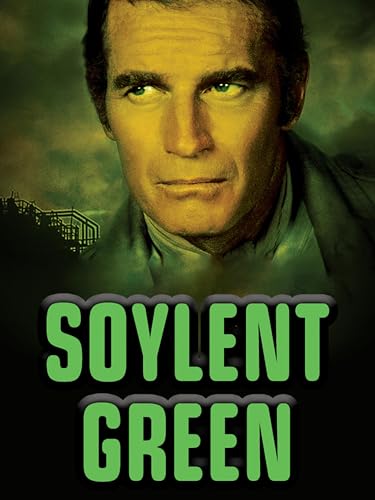
12.Soylent Green (1973)
Soylent Green is a 1973 science fiction film directed by Richard Fleischer. Edward G. Robinson plays Sol Roth, an elderly police researcher known as a “book,” who helps detective Robert Thorn investigate a murder in a future devastated by overpopulation, pollution and food shortages.
Robinson’s performance as Sol Roth is poignant and powerful, as it was his final film role before his death. Sol remembers the natural world that younger characters never knew. Robinson's real-life final performance gives the assisted-death sequence unusual weight, but the scene also supplies Thorn with evidence crucial to the investigation.
Robinson’s chemistry with his co-star Charlton Heston is also a highlight of the film, as they play off each other with a natural ease that makes their scenes together feel authentic and genuine.
Soylent Green is a classic science fiction film, and Robinson’s performance as Sol Roth is one of the film’s greatest strengths. It is a testament to his talent as an actor that he was able to deliver such a powerful and memorable performance in his final film role.
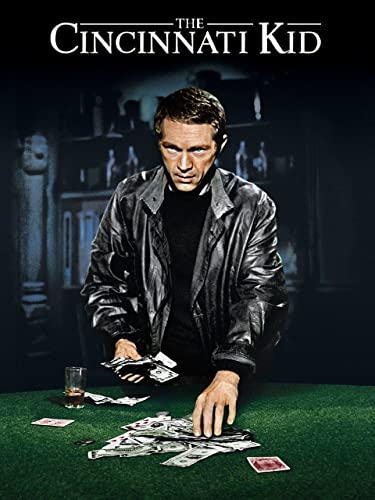
13.The Cincinnati Kid (1965)
The Cincinnati Kid is a 1965 drama film directed by Norman Jewison. Edward G. Robinson plays the role of Lancey Howard, a legendary poker player who is challenged by a young up-and-comer named The Kid, played by Steve McQueen.
Robinson’s performance as Lancey Howard is a standout in the film, as he portrays a seasoned poker player who has seen it all.
Howard's stillness matters at the card table. Robinson withholds reaction while the younger Eric Stoner tries to read him, making the climactic stud-poker game a contest of patience and self-command rather than showy dialogue.
Robinson’s chemistry with McQueen is also a highlight of the film, as the two actors have a palpable tension and respect that drives the film forward.
The Cincinnati Kid is a classic Hollywood drama that showcases Robinson’s talent as an actor. His performance as Lancey Howard is a testament to his ability to bring humanity and depth to even the most challenging and complex characters.
14.The Woman in the Window (1944)
The Woman in the Window is a 1944 film noir directed by Fritz Lang. Edward G. Robinson plays the role of Richard Wanley, a married college professor who becomes involved with a mysterious woman named Alice Reed, played by Joan Bennett.
Robinson’s performance as Richard Wanley is a standout in the film, as he portrays a man who is drawn into a dangerous game of deception and murder.
Wanley's initial pleasure at being noticed becomes panic after he kills Alice's lover in self-defence. Robinson is especially effective when the criminology professor listens to his district-attorney friend describe the accumulating evidence, knowing each observation points back to him.
The Woman in the Window is a classic film noir that showcases Robinson’s talent as an actor. His performance as Richard Wanley is a testament to his ability to bring humanity and depth to even the most challenging and complex characters.

15.The Whole Town’s Talking (1935)
The Whole Town’s Talking is a 1935 comedy film directed by John Ford. Edward G. Robinson plays the dual roles of Arthur Ferguson Jones, a meek and mild-mannered clerk, and Killer Mannion, a notorious gangster who looks identical to Jones.
Robinson’s performance as both Arthur Ferguson Jones and Killer Mannion is a standout in the film, as he portrays two very different characters with equal skill and talent.
He brings a level of nuance and humor to both roles, showcasing his ability to convey a range of emotions and motivations on screen.
Robinson’s chemistry with his co-star Jean Arthur is also a highlight of the film, as they play off each other with a natural ease that makes their scenes together feel authentic and genuine.
The Whole Town’s Talking is a lesser-known film in Robinson’s career, but it is a testament to his versatility as an actor.
His performance as both Arthur Ferguson Jones and Killer Mannion is a testament to his talent and ability to bring humanity and depth to even the most challenging and complex characters.
![The Whole Town's Talking - Twilight Time [1935] Blu-ray](https://m.media-amazon.com/images/I/41TrTDqxqoL.jpg)
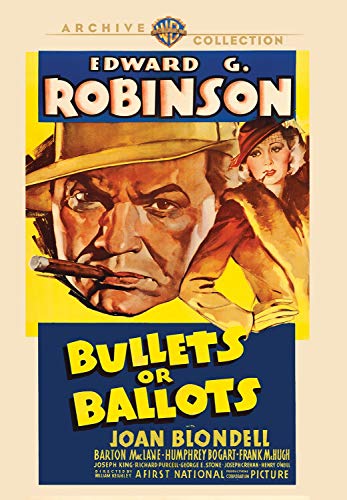
16.Bullets or Ballots (1936)
Bullets or Ballots is a 1936 crime-drama film directed by William Keighley. Edward G. Robinson plays the role of Johnny Blake, a tough cop who goes undercover to bring down a crime syndicate.
Robinson’s performance as Johnny Blake is powerful and intense, as he portrays a man who is willing to do whatever it takes to bring the criminals to justice.
Blake's dismissal from the force is part of an undercover plan, allowing him to enter Al Kruger's organisation while his former colleagues believe he has changed sides. Robinson sustains the ambiguity long enough for both the syndicate and the audience to question his allegiance.
Robinson’s chemistry with his co-stars, including Joan Blondell and Barton MacLane, is also a highlight of the film, as they play off each other with a natural ease that makes their scenes together feel authentic and genuine.
Bullets or Ballots is a classic Hollywood crime-drama, and Robinson’s performance as Johnny Blake is one of the film’s greatest strengths.
It is a testament to his talent as an actor that he is able to bring such depth and humanity to a character who is often portrayed as a one-dimensional hero.
17.Cheyenne Autumn (1964)
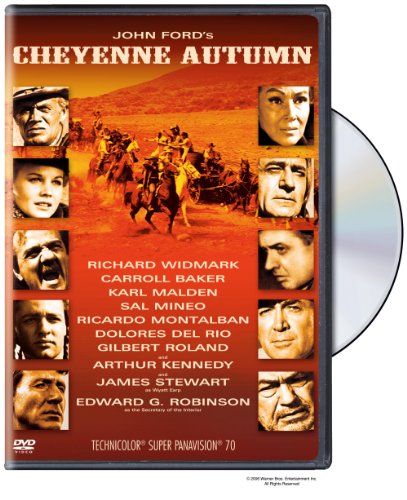
Cheyenne Autumn is a 1964 western film directed by John Ford. Edward G. Robinson plays the role of Secretary of the Interior Carl Schurz, who is tasked with negotiating a peace treaty with the Cheyenne tribe.
Robinson’s performance as Carl Schurz is a standout in the film, as he portrays a man who is trying to do what is right in the face of political pressure and public opinion.
Robinson appears late in the film as the historical Secretary of the Interior. It is a brief supporting role tied to the government response to the Cheyenne journey, not a continuing negotiation that drives the western.
Robinson’s chemistry with his co-stars, including Richard Widmark and Carroll Baker, is also a highlight of the film, as they play off each other with a natural ease that makes their scenes together feel authentic and genuine.
Cheyenne Autumn is a classic western that showcases Robinson’s talent as an actor. His performance as Carl Schurz is a testament to his ability to bring humanity and depth to even the most challenging and complex characters.
18.The Prize (1963)
The Prize is a 1963 suspense-thriller film directed by Mark Robson. Edward G. Robinson plays the role of Dr. Max Stratman, a Nobel Prize-winning scientist who is kidnapped by a group of spies.
Robinson’s performance as Dr. Max Stratman is a standout in the film, as he portrays a brilliant scientist who is forced to use his knowledge for nefarious purposes.
He brings a level of intelligence and intensity to the character, delivering his lines with a sense of conviction that makes it clear he is a force to be reckoned with.
Robinson’s chemistry with his co-stars, including Paul Newman and Elke Sommer, is also a highlight of the film, as they play off each other with a natural ease that makes their scenes together feel authentic and genuine.
The Prize is a classic Hollywood suspense-thriller that showcases Robinson’s talent as an actor. His performance as Dr. Max Stratman is a testament to his ability to bring humanity and depth to even the most challenging and complex characters.
![The Prize (1963) [Blu-ray]](https://m.media-amazon.com/images/I/51HMrOBZVeL.jpg)
Warner Manufacturing
- The disk has English audio.
The disk has English audio.
View on Amazon19.The Outrage (1964)
The Outrage is a 1964 western directed by Martin Ritt and adapted from Akira Kurosawa's Rashomon. At an isolated railway station, Robinson's unnamed con man listens as a preacher and a prospector recount incompatible testimony about a rape and murder.
Robinson’s performance as Con Man is powerful and intense, as he portrays a man who is determined to manipulate and deceive those around him.
The con man is a sceptical listener rather than an Iago-like architect of the crime. Robinson's mocking interruptions challenge the other men's faith in truth until a final choice tests his own cynicism.
Robinson’s chemistry with his co-stars, including Paul Newman and Claire Bloom, is also a highlight of the film, as they play off each other with a natural ease that makes their scenes together feel authentic and genuine.
The Outrage is a unique western that showcases Robinson’s talent as an actor.
His performance as Con Man is a testament to his ability to bring humanity and depth to even the most challenging and complex characters, and his portrayal of a Shakespearean villain in a western setting is a testament to his versatility as an actor.

20.A Hole in the Head (1959)
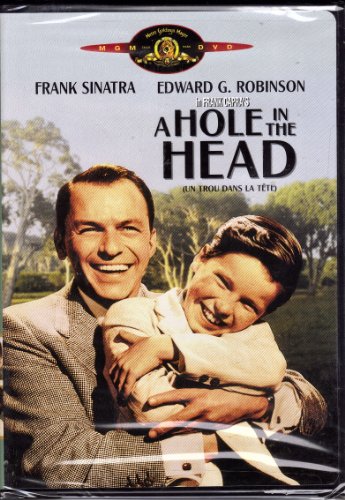
A Hole in the Head is a 1959 comedy drama directed by Frank Capra. Frank Sinatra plays Tony Manetta, the widowed father struggling to keep a Miami Beach hotel; Robinson plays Mario, Tony's financially secure and disapproving older brother.
Mario offers to settle Tony's debts if he abandons the hotel and accepts a conventional job and marriage. Robinson makes him more than a scold: his severity reflects the responsibility Tony evades, even when Mario's solution becomes another form of control.
The comedy comes from Mario applying stern business logic to a brother whose optimism cannot be made orderly. His exasperation gives Sinatra a necessary counterweight.
Robinson’s chemistry with his co-stars, including Frank Sinatra and Eleanor Parker, is also a highlight of the film, as they play off each other with a natural ease that makes their scenes together feel authentic and genuine.
A Hole in the Head may not be as well-known as some of Robinson’s other films, but it is a testament to his versatility as an actor.
His performance as Mario Manetta is a standout in the film, and it demonstrates that he was capable of playing a wide range of characters with equal skill and talent.
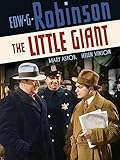
21.The Little Giant (1933)
The Little Giant is a 1933 comedy film directed by Roy Del Ruth. Edward G. Robinson plays the role of Bugs Ahearn, a former Chicago gangster who moves to California to start a new life.
Robinson’s performance as Bugs Ahearn is a departure from his usual tough guy roles, as he plays a comedic character who is trying to leave his criminal past behind.
Bugs can intimidate gangsters but cannot decode the manners of the social elite he hopes to join. Robinson shifts between swagger and embarrassment as a formerly wealthy family quietly teaches him what his new money cannot buy.
Robinson’s chemistry with his co-star Mary Astor is also a highlight of the film, as they play off each other with a natural ease that makes their scenes together feel authentic and genuine.
The Little Giant is a lesser-known film in Robinson’s career, but it is a testament to his versatility as an actor.
His performance as Bugs Ahearn is a standout in the film, and it demonstrates that he was capable of playing a wide range of characters with equal skill and talent.
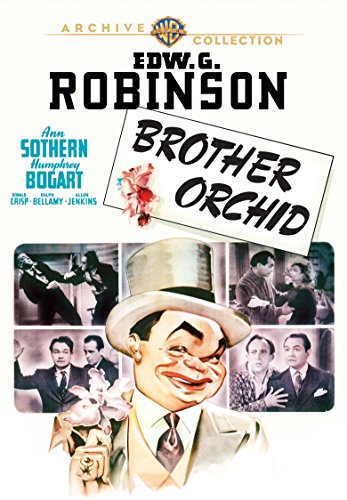
22.Brother Orchid (1940)
Brother Orchid is a 1940 crime-comedy film directed by Lloyd Bacon. Edward G. Robinson plays the role of Little John Sarto, a gangster who decides to leave the criminal life behind and become a monk.
Robinson’s performance as Little John Sarto is a standout in the film, as he portrays a tough guy with a soft heart who is trying to find redemption.
Sarto enters the monastery only after his former lieutenant tries to have him killed. The monks' work and refusal to retaliate gradually change him, giving Robinson room to move from comic frustration to a credible rejection of his old methods.
Robinson’s chemistry with his co-stars, including Ann Sothern and Humphrey Bogart, is also a highlight of the film, as they play off each other with a natural ease that makes their scenes together feel authentic and genuine.
Brother Orchid is a unique crime-comedy that showcases Robinson’s talent as an actor. His performance as Little John Sarto is a testament to his ability to bring humanity and depth to even the most challenging and complex characters.
The film is also notable for its mix of humor and drama, which Robinson handles with equal skill and talent.
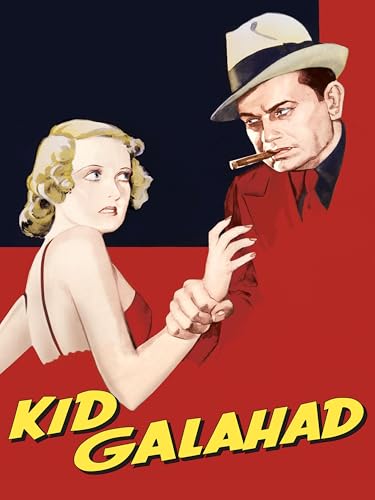
23.Kid Galahad (1937)
Kid Galahad is a 1937 sports-drama film directed by Michael Curtiz. Edward G. Robinson plays boxing promoter Nick Donati, who develops hotel bellhop Ward Guisenberry into the fighter Kid Galahad. Wayne Morris plays Galahad; Bette Davis is Louise Fluff Phillips, Donati's girlfriend.
Robinson’s performance as Nick Donati is a standout in the film, as he portrays a tough but caring boxing promoter who wants to make Kid Galahad a champion.
He brings a level of intensity and passion to the character, delivering his lines with a sense of conviction that makes it clear he is a force to be reckoned with.
Robinson’s chemistry with his co-stars, including Bette Davis and Humphrey Bogart, is also a highlight of the film, as they play off each other with a natural ease that makes their scenes together feel authentic and genuine.
Kid Galahad is a classic Hollywood sports-drama that showcases Robinson’s talent as an actor.
His performance as Nick Donati is a testament to his ability to bring humanity and depth to even the most challenging and complex characters, and his portrayal of a boxing promoter is one of the highlights of the film.
24.Good Neighbor Sam (1964)
Good Neighbor Sam is a 1964 comedy film directed by David Swift. Edward G. Robinson plays Simon Nurdlinger, a powerful dairy client whose advertising account depends on a wholesome domestic image. Jack Lemmon is Sam Bissell, the executive whose attempt to pose as his neighbour's husband creates the deception Nurdlinger may expose.
Robinson’s performance as Simon Nurdlinger is a departure from his usual tough guy roles, as he plays a comedic character who is trying to help out his new friends.
Robinson uses Nurdlinger's severe formality as comic pressure: every attempt to preserve the account forces Sam's false family arrangement into a more elaborate performance.
Robinson’s chemistry with his co-star Jack Lemmon is also a highlight of the film, as they play off each other with a natural ease that makes their scenes together feel authentic and genuine.
Good Neighbor Sam is a lesser-known film in Robinson’s career, but it is a testament to his versatility as an actor.
His performance as Simon Nurdlinger is a standout in the film, and it demonstrates that he was capable of playing a wide range of characters with equal skill and talent.
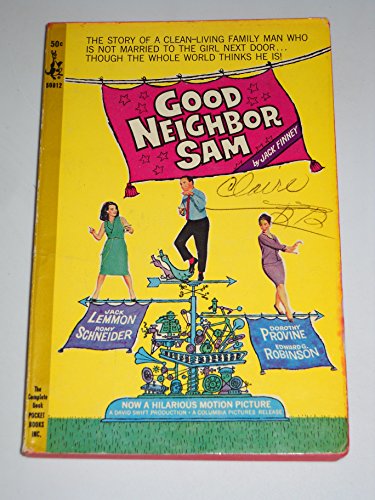
- 1964 - Pocket Books - 1st Edition - Paperback
- Good Neighbor Sam - By Jack Finney - Movie Tie In
- Stars: Jack Lemmon, Edward G. Robinson, Romy Schneider
- VG Condition - Unread condition
- Very Collectible
1964 - Pocket Books - 1st Edition - Paperback Good Neighbor Sam - By Jack Finney - Movie Tie In
View on Amazon25.Scarlet Street (1945)
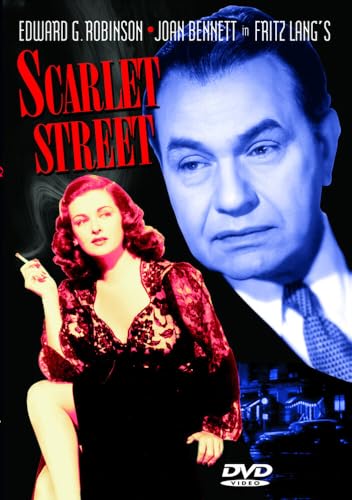
Scarlet Street is a 1945 film noir directed by Fritz Lang. Edward G. Robinson plays the role of Christopher Cross, a middle-aged cashier who becomes involved with a young woman named Kitty, played by Joan Bennett.
Robinson’s performance as Christopher Cross is a standout in the film, as he portrays a man who is trapped in a life of quiet desperation and unfulfilled dreams.
Cross's vulnerability makes him easy for Kitty and her boyfriend Johnny to exploit: they mistake him for a successful painter, sell his work under Kitty's name and encourage his infatuation. Robinson makes the cashier's awakening both pitiable and frightening.
Robinson’s chemistry with his co-star Joan Bennett is also a highlight of the film, as they play off each other with a natural ease that makes their scenes together feel authentic and genuine.
Scarlet Street is a classic Hollywood film noir that showcases Robinson’s talent as an actor.
His performance as Christopher Cross is a testament to his ability to bring humanity and depth to even the most challenging and complex characters, and his portrayal of a man struggling to find meaning in his life is one of the highlights of the film.
3 Reasons To Watch Edward G. Robinson Movies
Versatile Actor: Edward G. Robinson was a versatile actor who was able to portray a wide range of characters, from tough gangsters to comedic businessmen to dramatic scientists. His ability to bring depth and nuance to his roles makes his performances a must-see for any film lover.
Classic Hollywood: Robinson was a prominent actor during the golden age of Hollywood, and his films are a reflection of the era’s style, themes, and social commentary.
Watching his movies is not only a chance to appreciate his talent as an actor, but also to experience the classic Hollywood era.
Influence on Pop Culture: Robinson’s iconic roles have influenced pop culture for generations. From his portrayal of gangster Little Caesar to his voice work in the Looney Tunes cartoons, his impact on popular culture is undeniable.
Watching his movies is a chance to see the origins of many iconic characters and catchphrases that have become a part of our cultural lexicon.
Related on Filmmaking Lifestyle
Read next: 20 Best Barbara Stanwyck Movies: The Fiery and Versatile Roles of a Silver Screen Icon, 25 Best Paul Newman Movies: The Enduring Legacy of a Silver Screen Icon, and 15 Best Steve McQueen Movies: The Unforgettable Cool of a Silver Screen Icon.
Best Edward G. Robinson Movies – Wrap Up
In conclusion, Edward G. Robinson was an incredibly talented actor whose career spanned several decades and a wide variety of roles.
From his iconic portrayal of gangsters to his comedic performances and dramatic roles, Robinson left a lasting impact on the film industry and pop culture as a whole.
Some of his best movies include Double Indemnity, Key Largo, Larceny, Inc., The Ten Commandments, House of Strangers, All My Sons, The Sea Wolf, The Last Gangster, Illegal, Little Caesar, A Slight Case of Murder, Soylent Green.
The Cincinnati Kid, The Woman in the Window, The Whole Town’s Talking, Bullets or Ballots, Cheyenne Autumn, The Prize, The Outrage, A Hole in the Head, Brother Orchid, Kid Galahad, Good Neighbor Sam, and Scarlet Street.
Watching these films is not only a chance to appreciate Robinson’s incredible talent as an actor, but also to experience the classic Hollywood era and the enduring impact of his iconic roles.
Ready to learn about some other Film Movements or Film History?

Incendies: Context, Themes, and Style

No Fear, No Die: Symbolism and Interpretation

Frances Ha: The Meaning Behind the Moments

Lola: A Guide to Its Meaning and Impact

A Bay of Blood: Visual Style, Ideas, and Impact

Once Upon a Time in Anatolia: A Modern Appreciation

Demon Seed: A Guide to Watching It Like a Critic

Lone Wolf and Cub: The Final Conflict: A Modern Appreciation

Ex Machina: What Makes It a Classic


New comments are not currently accepted.
Comments