
On this pageTap to expand
Few filmmakers have made as profound and enduring an impact on contemporary cinema as Quentin Tarantino. Bursting onto the scene in the early 1990s, Tarantino quickly became synonymous with a new wave of independent film that challenged traditional storytelling and genre conventions.
His work is a vivid tapestry woven with razor-sharp dialogue, eclectic soundtracks, and a fearless approach to violence and morality. More than mere entertainment, his films act as cultural artifacts, reflecting and reshaping American film language in ways few directors have dared.

What sets Tarantino apart is not only his distinctive narrative style but also his encyclopedic knowledge of film history, which he channels into each project. His love for genres—ranging from spaghetti Westerns to kung fu cinema—transforms familiar tropes into fresh, electrifying experiences.
This fusion of homage and innovation defines his enduring appeal and cements his place as one of the most influential filmmakers of his generation.
From his debut feature, Reservoir Dogs, to sprawling epics like Django Unchained and the reflective Once Upon a Time... in Hollywood, Tarantino’s filmography is a masterclass in reinvention and storytelling prowess. His contribution to American cinema is undeniable, making him a crucial figure for any student or enthusiast of film history and craft.
National Cinema and Film History
Filmmaker quote“When people ask me if I went to film school I tell them, ‘no, I went to films’.”
Quentin Tarantino
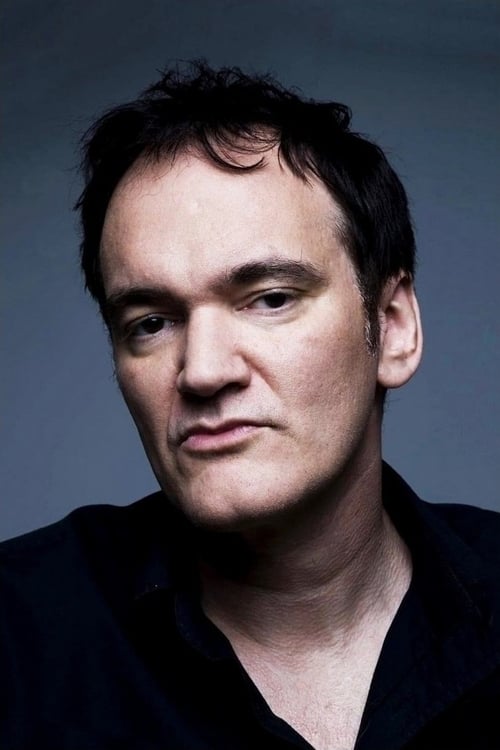

Quentin Tarantino’s work is inseparable from the context of American cinema, yet it transcends national boundaries through its universal themes and genre fluidity. Emerging in the early 1990s, he became a leading figure in the independent film movement that redefined what Hollywood films could be—smaller budgets, assertive styles, and narratives that veered sharply from mainstream norms.
His films often reference and subvert distinctly American genres such as the Western and crime thriller, but they do so with a global sensibility that acknowledges the interconnectedness of cinema culture. For instance, Django Unchained revisits the Western through the lens of slavery and racial injustice, while Kill Bill pays tribute to martial arts cinema and exploitation films from Asia and America alike.
Historically, Tarantino stands as a pivotal figure in the post-modern era of filmmaking, one who blends past and present to create something entirely new. His work dialogues with directors like Sergio Leone and Jean-Luc Godard, and shares kinship with contemporaries such as the Coen Brothers and Robert Rodriguez, all of whom have similarly blurred the lines between homage and innovation.

Your first wedding season — start with a clear plan
The Wedding Video Quick-Start Guide covers priorities for the day, gear mindset, and what to lock in with couples early.
Filmmaker quote“If a million people see my movie, I hope they see a million different movies.”
Quentin Tarantino
Early Life and Formative Influences

Born in Knoxville, Tennessee in 1963, Tarantino’s early life was marked by a profound passion for movies. Before becoming a director, he worked in a video rental store, a period that allowed him to immerse himself in a vast array of films across genres and eras.
This formative experience cultivated his encyclopedic knowledge and deep appreciation for cinematic storytelling.

His influences are diverse and extensive, ranging from the sharp dialogue of classic Hollywood to the gritty realism of 1970s exploitation cinema. Tarantino has cited inspirations that include the work of directors like Sergio Leone (noted for his Westerns), Jean-Pierre Melville (the French crime auteur), and Hong Kong martial arts masters.
This blend of influences informs his style, which is as much a pastiche as it is a personal signature.
- Exploitation films and grindhouse cinema
- Classic Hollywood genres such as film noir and Westerns
- International cinema, including Italian and Hong Kong films
- Pop culture, music, and comic books
The Breakthrough Moment

Tarantino’s breakthrough came with Reservoir Dogs (1992), a taut crime thriller that immediately marked him as a distinctive new voice. The film’s tight focus on character dynamics, combined with its raw violence and fractured narrative, won him critical attention and paved the way for his next project.

However, it was Pulp Fiction (1994) that catapulted Tarantino into international stardom. The film’s non-linear storytelling, memorable dialogue, and eclectic blend of humor and brutality became a cultural phenomenon. Pulp Fiction revitalized the independent film scene and earned widespread acclaim for its inventiveness and style.
This film established several of Tarantino’s trademarks: fractured narrative structures, extended dialogue sequences that reveal character psychology, and a playful yet violent approach to genre. The success of Pulp Fiction also opened doors for him to work with bigger budgets and attract A-list talent for future projects.
Critical Reception and Reappraisal
Across his career, Tarantino’s films have inspired both adulation and controversy. Critics have often praised his craftsmanship, originality, and the boldness of his storytelling. His ability to blend genres and manipulate narrative time is frequently cited as a hallmark of his genius.
Conversely, Tarantino’s frequent use of graphic violence and provocative subject matter has sparked debate about the ethics and implications of his work. Films like Django Unchained and The Hateful Eight confront difficult issues such as racism and revenge, sometimes courting polarizing reactions.
Over time, many of his lesser-known projects have undergone critical reassessment. For example, Jackie Brown, initially overshadowed by his more flamboyant films, is now appreciated for its nuanced character work and homage to blaxploitation cinema. Similarly, Death Proof, part of the double feature Grindhouse (2007), has gained cult status for its self-aware tribute to 1970s exploitation films.
- Widespread critical acclaim for innovative storytelling
- Controversy over depictions of violence and race
- Growing appreciation of deep cuts and genre homages
- Influence seen in a generation of filmmakers and pop culture
What Filmmakers Can Learn From Them
Tarantino’s career offers several valuable lessons for aspiring filmmakers. First, his work demonstrates the power of a strong, unique voice rooted in passion and knowledge.
His films teach the importance of mastering dialogue, character development, and structure, showing how these elements can elevate genre films into art.

A practical playbook for people who sell & shoot
Short chapters you can skim between jobs: how to stay visible to buyers, follow up without cringe, and keep the pipeline honest.
His fearless approach to storytelling—whether in embracing violence, unconventional narratives, or blending genres—encourages filmmakers to take risks and push boundaries. Tarantino’s meticulous attention to detail, especially in sound design and music selection, also exemplifies how seemingly small choices can profoundly shape a film’s atmosphere.
Moreover, Tarantino’s career underscores the importance of understanding film history. His deep reverence for past directors, films, and genres is not mere imitation but a springboard for innovation, showing that creativity often springs from dialogue with tradition.
How to Start Watching Their Work

For those new to Tarantino, the best entry point is often Pulp Fiction. Its blend of narrative complexity, unforgettable characters, and iconic scenes encapsulates many of his signature techniques. From there, watching Reservoir Dogs offers insight into his early style and thematic preoccupations.
To appreciate the full range of his work, it’s worthwhile to explore the Kill Bill volumes as a combined experience (notably the extended version Kill Bill: The Whole Bloody Affair). These films highlight his skill in genre blending, choreography, and visual storytelling.
Later works like Django Unchained and Inglourious Basterds reveal his evolving maturity and willingness to tackle complex historical themes through his trademark style. For a more subdued, reflective experience, Once Upon a Time... in Hollywood offers a nostalgic meditation on Hollywood’s golden era.
- Pulp Fiction (1994) – quintessential Tarantino
- Reservoir Dogs (1992) – early grit and style
- Kill Bill: Vol. 1 & 2 (2003, 2004) – genre mashup and visual flair
- Django Unchained (2012) – historical revision and revenge
- Once Upon a Time... in Hollywood (2019) – reflective and character-driven
A Director’s Visual Grammar


Tarantino’s visual style is as distinctive as his writing. He frequently employs sharp, often static framing that heightens tension and centers on his actors’ performances. His use of close-ups, particularly on faces and hands, amplifies emotional intensity, creating moments that linger in the viewer’s memory.
His editing is notably rhythmic and deliberate, often playing with time through flashbacks, out-of-sequence scenes, or extended dialogue beats. This non-linear approach invites viewers to actively engage in piecing together narrative threads.
Color and lighting in Tarantino’s films also reflect his genre influences. The saturated hues of Kill Bill echo martial arts cinema, while the muted, sepia tones of The Hateful Eight evoke a claustrophobic Western atmosphere. His soundtracks—carefully curated from pop, soul, surf rock, and classic scores—function almost as a secondary narrative layer, enriching the emotional and thematic resonance.
Related on Filmmaking Lifestyle
Read next: A Christmas Story: The Essential Breakdown, Alfred Hitchcock: The Essential Breakdown, and Bad Boy Bubby: The Essential Breakdown.
Final Thoughts
Quentin Tarantino’s place in film history is secure as a provocateur, a storyteller, and a cinephile whose passion for the medium permeates every frame. His work challenges conventions, blends genres, and revitalizes forgotten cinematic forms, creating a dynamic and influential body of work that continues to inspire filmmakers and audiences alike.
Studying Tarantino offers a window into the creative possibilities of cinema—how history can inform innovation, how dialogue and imagery can dance in tandem, and how film can be both entertainment and art. His films remain essential viewing for anyone seeking to understand the evolution of contemporary American cinema and the power of a director’s vision.
Which filmmaker should we cover next?
Discover the filmmakers who changed cinema forever.

Kei Ishikawa: The Art of Directing, In One Career

Osamu Dezaki: A Visual Language Worth Studying

Ermanno Olmi: Themes, Technique, and Legacy

Juraj Herz: The Essential Breakdown

Orson Welles: A Visual Language Worth Studying

Zoltan Fabri: The Career That Changed the Medium

Barry Jenkins: A Complete Introduction

Tom Tykwer: A Complete Introduction

Ari Aster: A Director's Style in Focus


New comments are not currently accepted.
Comments