On this pageTap to expand
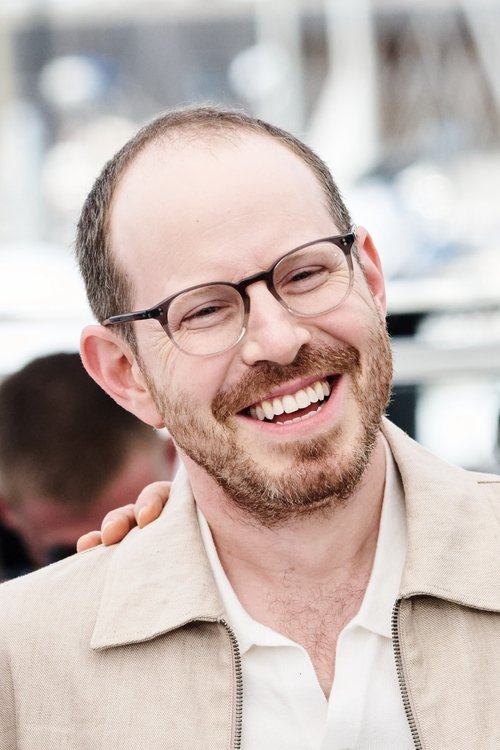
Ari Aster emerged in the landscape of contemporary American cinema as a filmmaker whose work redefines the boundaries of horror and psychological drama. Born in 1986 in New York City, Aster quickly distinguished himself by carving out a niche where terror serves as a vehicle for deeply personal and often harrowing explorations of grief, trauma, and family dynamics.
His films do not merely seek to scare; they unravel the emotional fabric of his characters and, by extension, the audience, presenting horror as an intimate, almost unbearable human experience.

His rise to prominence was swift and emphatic. With Hereditary (2018), Aster delivered a landmark piece in horror cinema, one that combined archetypal supernatural elements with a painstaking psychological realism. The film's meticulous pacing and visual composition established a signature style that would carry through to Midsommar (2019), where daylight horror and folk ritual intersect in a hypnotic and unsettling tableau. By the time of Beau Is Afraid (2023), Aster demonstrated a willingness to expand his thematic concerns and narrative scope, blending surrealism with his trademark emotional intensity. Eddington (2025) pushed that expansion further into satirical neo-Western territory, using a contested small-town election to probe pandemic-era American fracture.
Far from a one-note horror director, Aster’s career trajectory is a study in balancing genre conventions with auteurist ambition. His work invites comparison to directors who similarly use genre cinema as a prism for psychological and emotional complexity, making him one of the most compelling voices in American filmmaking today.
Editing Rhythm and Narrative Shape
Ari Aster’s films are characterized by a deliberate and often unsettling editing rhythm that mirrors the psychological states of his characters. Rather than relying on conventional jump scares or rapid cuts typical of mainstream horror, Aster’s editing is unhurried, granting scenes time to breathe and tension to simmer below the surface.

This approach allows for a narrative shape that unfolds like a slow-burning incantation, where every frame feels meticulously placed, and the emotional beats hit with precise weight. Hereditary exemplifies this method, with its steady accumulation of dread culminating in an operatic crescendo of horror and tragedy. Similarly, Midsommar employs long takes and carefully composed shots to draw viewers into a sunlit nightmare, its editing fostering a disquieting dissonance between the bright, pastoral setting and the dark narrative undercurrents.
The editing style also facilitates complex storytelling structures. Beau Is Afraid diverges from the linear progression of his earlier films, using montage and surreal transitions to reflect the protagonist’s fractured psyche. This narrative fluidity demands attentive viewing but rewards audiences with a profound emotional and intellectual engagement.

Spot red flags before you sign
Use the same prompts we use to catch vague briefs, scope creep bait, and timeline traps — all in one short discovery framework.
Filmmaker quote“I know that I put a lot into 'Hereditary', and I'm proud of what it is. Beyond the fact that the film takes its time and asks for a certain amount of patience from the audience - and I hope it rewards that patience by the end - I know that I'm something of an aesthete. I care about aesthetics, and I love filmmaking.”
Ari Aster
How They Handle Performance

Ari Aster is known for eliciting performances that are raw, nuanced, and emotionally exhaustive. His direction encourages actors to inhabit their roles fully, often exposing the characters’ vulnerabilities and contradictions in ways that feel brutally authentic.
In Hereditary, Toni Collette’s portrayal of Annie Graham stands as a testament to Aster’s collaborative relationship with his actors—her performance swings from tender despair to outright hysteria, capturing the film’s oscillation between psychological realism and supernatural horror. Florence Pugh’s central role in Midsommar similarly showcases Aster’s capacity to guide actors through complex emotional terrain, crafting a character arc that is both harrowing and transformative.

Aster’s direction is characterized by an attention to the small gestures and silences that convey internal conflict, as well as the explosive moments of crisis. This method results in performances that resonate long after the credits roll.
Recurring Actors and Creative Chemistry
- Toni Collette: Her collaboration with Aster in Hereditary remains one of the most intense and acclaimed performances in recent horror cinema.
- Florence Pugh: Aster cast Pugh in Midsommar, where her nuanced performance became central to the film’s emotional power.
- Gabriel Byrne: As Steve Graham in Hereditary, Byrne anchors the family’s brittle domestic order against the film’s escalating dread.
- Joaquin Phoenix: Aster’s key later collaborator, Phoenix leads Beau Is Afraid and returns in Eddington as a New Mexico sheriff drawn into a feverish political conflict.
This ensemble approach, mixing established actors with emerging talent, underlines Aster’s commitment to nurturing creative chemistry that supports his demanding narratives.
Early Life and Formative Influences
Born in New York City and later raised partly in England before settling in New Mexico, Ari Aster grew up in cultural environments that fed an early obsession with cinema. His exposure to both classic and contemporary films cultivated a deep appreciation for storytelling that probes the human psyche.

Aster’s influences are wide-ranging, encompassing filmmakers and authors known for their psychological complexity and innovative narrative techniques. Directors such as Roman Polanski, whose use of claustrophobic tension and psychological horror resonates in Aster’s work, loom large.
The influence of Ingmar Bergman’s exploration of existential dread and family relationships is also evident, especially in Aster’s thematic preoccupations with grief and trauma.
Likewise, the unsettling atmospheres pioneered by Stanley Kubrick and the dark familial dramas of Robert Aldrich find echoes in Aster’s films. He also draws from folk horror traditions and literary sources that delve into myth and ritual, blending these influences into a distinctive cinematic language.
How to Start Watching Their Work
For newcomers to Ari Aster’s filmography, it is best to begin with his breakthrough feature, Hereditary. This film encapsulates his approach to horror as a deeply emotional and psychological journey. Its narrative clarity combined with its intense atmosphere makes it accessible while signaling the depth to follow.

Charge what you’re worth — and hear “yes” more often
Positioning and follow-up tactics from the Get More Video Clients guide so you stop under-quoting and start winning work that fits your rates.
Next, Midsommar is a natural follow-up, offering a tonal shift into daylight horror that challenges traditional genre expectations. The film’s complex themes of community, trauma, and cultural dislocation provide a rich area for analysis.
For those interested in seeing Aster’s growth beyond horror, Beau Is Afraid presents a more surreal, genre-blurring experience that expands his thematic explorations of anxiety and parental relationships. Eddington then shows how far he will push satire and social dread outside the haunted-house frame.
- Hereditary (2018): Foundation of Aster’s style and themes.
- Midsommar (2019): A bold reimagining of folk horror.
- Beau Is Afraid (2023): A surreal and expansive narrative.
- Eddington (2025): A satirical neo-Western about American polarization.
- The Strange Thing About the Johnsons (2011): Early short that reveals Aster’s thematic interests.
Worldview, Politics, and Subtext
Ari Aster’s films engage with themes of trauma, familial dysfunction, and the human confrontation with mortality, often eschewing clear moral binaries. His worldview is one of existential uncertainty, where horror arises not only from supernatural forces but from the complexities and failures of human relationships.
His work can be interpreted as a critique of traditional family structures, exposing the hidden violences and emotional repression that underlie them. In Hereditary, the family becomes a locus of inherited trauma and inevitable destruction. Midsommar examines the seductive and sometimes dangerous allure of community and ritual, probing cultural identity and psychological dependence.
Politically, Aster’s films resist easy categorization but engage with contemporary anxieties about identity, trauma, and belonging. Eddington makes that engagement more explicit, staging pandemic-era mistrust, protest, and partisan fury as a western of collapsing civic trust. His horror is as much about internal psychological collapse as it is about external menace, situating his work within a broader conversation about mental health and emotional vulnerability.
The Last Word
Ari Aster stands as a defining filmmaker of his generation, one who has revitalized horror cinema by imbuing it with profound psychological insight and stylistic rigor. His meticulous craftsmanship, combined with a fearless exploration of grief and trauma, has positioned him as a singular voice capable of unsettling and moving audiences in equal measure.
From the devastating familial dissolution of Hereditary to the unsettling daylight nightmare of Midsommar, the surreal complexity of Beau Is Afraid, and the satirical heat of Eddington, Aster’s oeuvre reflects a restless, probing intellect. As he continues to evolve and expand his narrative ambitions, his films remain essential for those seeking cinema that challenges, disturbs, and ultimately enriches the human experience.
Up for more film history and directors?
Related on Filmmaking Lifestyle

Read next: Abbas Kiarostami: What It Teaches About Cinema, Abderrahmane Sissako: A Visual Language Worth Studying, and Abel Gance: A Practical Guide to the Filmography.
If you want the system behind the article, start with Video Business Fast Forward or Video Business Blueprint.


New comments are not currently accepted.
Comments