
On this pageTap to expand
Few contemporary filmmakers wield the camera with the poetic precision and emotional depth of Lynne Ramsay. Emerging from Glasgow in the late 1990s, Ramsay swiftly established a cinematic voice that is as visually arresting as it is psychologically penetrating.
Her films often dwell in the unsettling interior worlds of fractured characters, where silence and imagery speak louder than dialogue. This rare gift for blending haunting aesthetics with raw human emotion has made her a touchstone for directors exploring trauma, memory, and identity.

Ramsay’s work defies easy categorization. Rooted in the gritty social realism tradition of British cinema yet infused with a lyrical, almost dreamlike sensibility, her storytelling is elliptical and elliptical, demanding active engagement from viewers. Through a minimalist approach to dialogue and a masterful command of visual language, she crafts films that linger long after the credits roll. From her debut feature Ratcatcher to later hallmarks like We Need to Talk About Kevin and You Were Never Really Here, Ramsay has consistently challenged cinematic conventions, staking her claim as one of the UK’s most distinctive voices.
Her oeuvre is marked by a relentless exploration of violence, isolation, and the ways trauma reverberates through the psyche. Influenced by a diverse range of artists and filmmakers, and often compared to auteurs like Michael Haneke and the Dardenne brothers, Ramsay’s films are as much meditations on form as they are narratives.
As she continues to evolve, Ramsay remains a vital subject of study for anyone interested in the possibilities of cinema as an emotional and sensory experience.
Studio Years vs Independent Years
Cinematographer quote“I was at the National Film School and was a cinematographer there. I got quite a lot of experience on documentary film-making and with directors who were interesting - maybe they weren't using scripts or were using non-actors.”
Lynne Ramsay
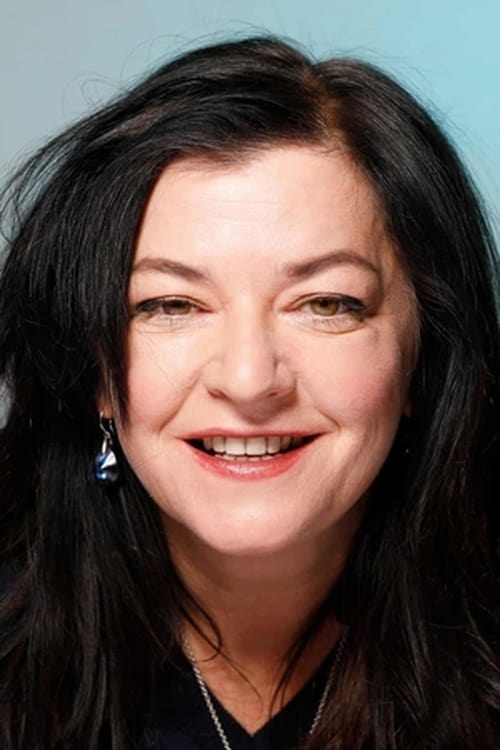
Ramsay’s early career is firmly rooted in independent filmmaking, which allowed her the creative freedom to hone her distinctive style. Her debut feature, Ratcatcher (1999), made on a modest budget, is a prime example of her independent sensibility—an intimate, unvarnished portrait of childhood poverty in Glasgow. The film’s raw immediacy and poetic visuals garnered critical praise and set the tone for her subsequent work.
During this period, Ramsay also created powerful short films like Gasman (1998) and Swimmer (2012), which further showcased her ability to tell emotionally charged stories within minimal runtimes. These shorts, often steeped in memory and loss, exemplify the freedom and experimentation afforded by her independent status.

Scale the company without burning both ends
Client selection, boundaries, and follow-up systems that protect your calendar while you grow — pulled into one readable guide.
With We Need to Talk About Kevin (2011), Ramsay stepped into a more prominent studio-backed environment, adapting Lionel Shriver’s controversial novel. While benefitting from increased resources and star power, she maintained her auteurist control, delivering a film that is as harrowing as it is visually rich. Her partnership with producers willing to trust her vision allowed her to balance the demands of larger-scale filmmaking with her signature intimacy and intensity.

You Were Never Really Here (2017) represents a hybrid of sorts—a studio film with clear arthouse roots. It exemplifies Ramsay’s evolving relationship with the industry, where her growing reputation allowed her to command bigger budgets while pushing against commercial expectations. This period reveals a filmmaker adept at navigating both worlds, using the benefits of studio resources without diluting her uncompromising voice.
Filmmaker quote“To me, most filmmaking is a kind of visualization of how people are. The dark, the light, the absurdity of life, all the crazy things, you know? So all of the characters that I've made have been really close to my heart. I guess what I'm interested in is just visualizing a really three-dimensional picture of a person.”
Lynne Ramsay
How They Handle Performance
One of Ramsay’s defining strengths lies in her approach to performance. She eschews overt exposition and verbal explanation, instead drawing out subtle, often fractured emotional states through gesture, silence, and fleeting expressions.

Actors in her films are invited into a collaborative process that values internalization over theatricality.
Ramsay’s direction encourages performers to inhabit their characters’ inner turmoil rather than externalize it. This is evident in Tilda Swinton’s icy detachment in We Need to Talk About Kevin and Joaquin Phoenix’s taut, haunted presence in You Were Never Really Here. Their performances are spare yet devastating, suggesting depths beneath the surface that dialogue alone could never articulate.
The director’s attention to sensory detail—how characters move, react to sound, or gaze into space—creates a visceral connection that transcends conventional acting. Ramsay’s camera often lingers on moments of stillness or fragmented emotion, trusting her actors to fill those spaces with meaning.
This method demands vulnerability and precision, and the results are performances of rare emotional complexity.
Constraints That Shaped the Work
Financial and production constraints have played a significant role in shaping Ramsay’s aesthetic. Her early works were produced on limited budgets, which necessitated a focus on intimate settings, naturalistic performances, and minimalist sound design.
These limitations forged a visual economy that became a hallmark of her style—every frame carefully composed, every sound deliberate.
Ramsay’s Glasgow upbringing and experiences in working-class environments deeply inform the settings and social contexts of her films. Her use of location is not decorative but integral, grounding her poetic imagery in lived reality. The gritty urban landscapes in Ratcatcher and Morvern Callar reflect economic hardship and social alienation, themes that recur throughout her oeuvre.
Moreover, Ramsay’s reluctance to rely on exposition or linear storytelling can be seen as a constraint turned into a strength. By embracing elliptical narratives, she invites viewers into the psychological complexity of her characters rather than explaining everything outright.

This approach, while challenging for some audiences, has cemented her reputation as a filmmaker unafraid to push against narrative convention.
What Filmmakers Can Learn From Them
- The power of visual storytelling: Ramsay’s films demonstrate how imagery can convey emotional truths that dialogue cannot.
- Minimalism as a tool: Sparing use of dialogue and sound design shows that less can be more in creating atmosphere and tension.
- Embracing ambiguity: Her elliptical narratives encourage filmmakers to trust audiences to engage actively and interpret meaning.
- Integration of location and character: Ramsay’s films illustrate how setting can reflect and deepen character psychology.
- Collaborative actor direction: Her nuanced approach to performance highlights the importance of creating space for actors’ subtle emotional work.
The Deep Cuts Worth Your Time
Beyond her well-known features, Ramsay’s filmography contains several lesser-seen works that provide valuable insight into her evolving style and thematic preoccupations. The short film Gasman (1998) is a particularly potent early example, a concise but emotionally rich portrait of childhood trauma and family dysfunction.
Her contributions to anthology projects like Cinema16: British Short Films (2003) and Cinema 16: European Short Films (U.S. Edition) (2007) place her in dialogue with other European auteurs, highlighting her affinity for cinematic minimalism and poetic imagery.

Build trust before you talk price
The checklist includes rapport builders and clarifying questions so prospects feel heard — and you leave with what you need to quote accurately.
More recent projects such as the forthcoming Die My Love (2025) and the enigmatic Untitled Lynne Ramsay Vampire Film suggest a continuing evolution, signaling her willingness to explore new genres and narrative forms while retaining her distinctive voice.
Recurring Actors and Creative Chemistry
Ramsay has worked repeatedly with several actors who have become integral to the emotional fabric of her films. Notably, Tilda Swinton’s collaboration on We Need to Talk About Kevin brought a chilling, complex maternal figure to life, while Joaquin Phoenix’s partnership on You Were Never Really Here yielded one of the most intense and physically demanding performances in recent memory.
Her early Glasgow-based films often feature non-professional actors and local talent, reinforcing the authenticity of setting and character. This blending of professional and non-professional performers contributes to the textured realism that permeates her work.
The Signature Film, Revisited
We Need to Talk About Kevin stands as Ramsay’s most widely recognized and discussed work, a film that encapsulates her thematic obsessions and stylistic trademarks. The narrative’s fractured structure, reliance on visual symbolism, and exploration of maternal ambivalence showcase her fearless approach to difficult subject matter.

The film’s unsettling atmosphere is crafted through a combination of haunting imagery, minimal dialogue, and disquieting sound design—all hallmarks of Ramsay’s approach. It remains a touchstone for discussions about the cinematic representation of trauma and familial dysfunction.
Critical Reception and Reappraisal
From the outset, Ramsay’s work has elicited a range of critical reactions, often polarized by her refusal to conform to conventional storytelling. Early films like Ratcatcher were celebrated in arthouse circles for their lyricism but struggled to reach mainstream audiences.
With We Need to Talk About Kevin, Ramsay entered broader critical conversations, though some critics found the film’s intensity difficult. Over time, however, the film has undergone reappraisal as a vital contribution to contemporary cinema’s engagement with trauma and motherhood.
You Were Never Really Here further solidified her reputation, winning acclaim for its innovative blending of thriller elements with psychological drama. Ramsay’s ongoing projects continue to be anticipated eagerly, with critics and scholars alike attentive to her evolving cinematic language.
Closing Notes
Lynne Ramsay remains an essential figure in contemporary British cinema—a director whose work challenges, unsettles, and moves audiences through a unique fusion of poetic imagery and emotional rigor. Her commitment to exploring the darker recesses of human experience, combined with an uncompromising artistic vision, ensures her continued relevance and influence.
For filmmakers and cinephiles alike, Ramsay’s films offer a masterclass in the power of cinema to convey the ineffable. Her career trajectory—from independent beginnings to internationally acclaimed auteur—illustrates how personal vision and artistic discipline can thrive amid changing industry landscapes.
Ready for another director deep dive?
Related on Filmmaking Lifestyle
Read next: Abbas Kiarostami: What It Teaches About Cinema, Abderrahmane Sissako: A Visual Language Worth Studying, and Abel Gance: A Practical Guide to the Filmography.
If you want the system behind the article, start with Video Business Fast Forward or Video Business Blueprint.


New comments are not currently accepted.
Comments