
On this pageTap to expand
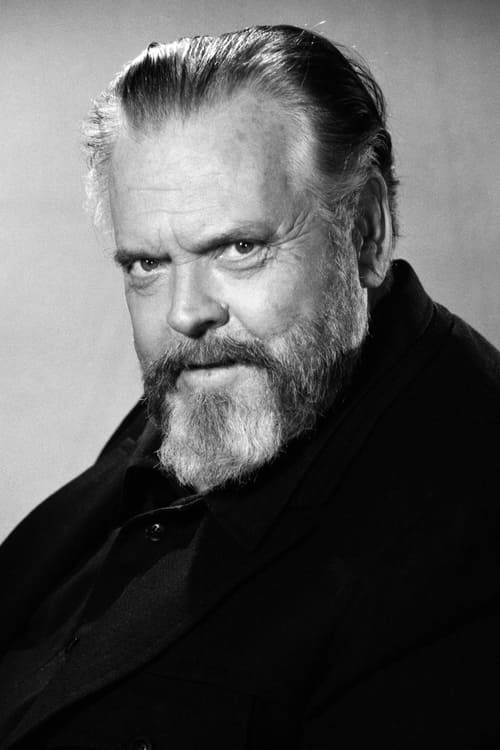
Orson Welles stands as one of cinema’s towering figures, a visionary director whose influence stretches across generations. Born in Kenosha, Wisconsin, in 1915, Welles emerged onto the film scene with a force that redefined the medium’s possibilities. His earliest and perhaps most celebrated work, Citizen Kane (1941), instantly altered filmmaking conventions with its daring narrative structure and technical bravura. Yet Welles was no one-hit wonder; his restless creativity and uncompromising style sustained a career that spanned more than four decades, during which he crafted films that remain essential studies in power, identity, and illusion.
Welles’s work is immediately recognizable for its bold visual experimentation—deep focus cinematography, unusual camera angles, and chiaroscuro lighting that owes a debt to German expressionism while foreshadowing American noir. But his innovation was never purely aesthetic.

His narratives often unfold in complex, layered ways that challenge viewers to piece together fragmented realities and unreliable perspectives. This signature approach is matched by his fascination with the darker corridors of human nature—corruption, ambition, and betrayal recur like leitmotifs throughout his oeuvre, underscoring a profound skepticism about the myths that societies tell themselves.
Despite the mythos surrounding Welles, including tales of studio battles and unfinished projects, his films endure as masterclasses in visual storytelling and thematic depth. They represent a fertile crossroads of theatricality, cinematic craft, and philosophical inquiry.

Welles’s legacy is not merely that of a director, but of a cinematic auteur whose restless spirit reshaped the language of film forever.
How They Handle Performance
Filmmaker quote“If you want a happy ending, that depends, of course, on where you stop your story.”
Orson Welles
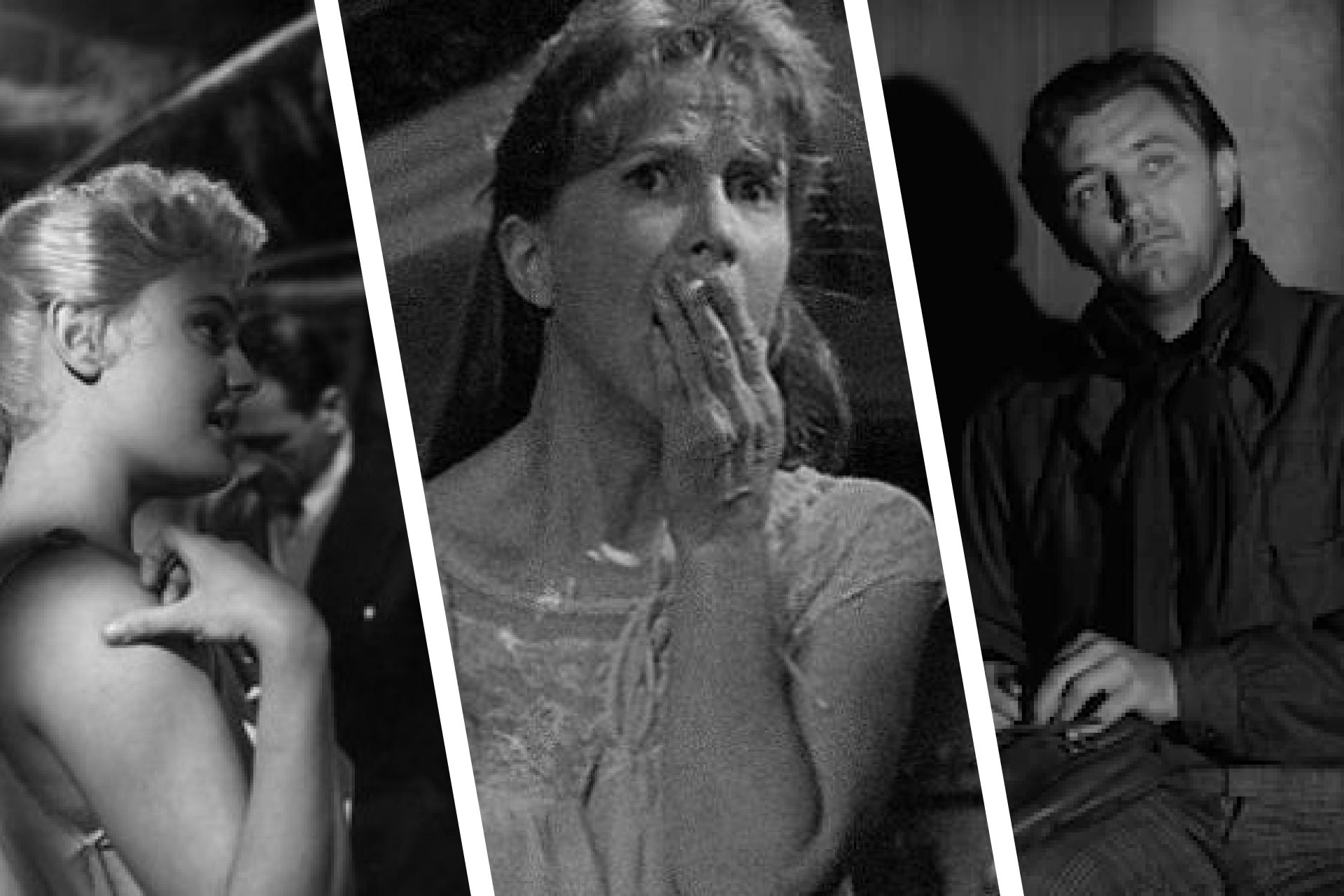
Welles’s background in theater profoundly influenced his approach to directing actors. He cultivated a style where performance often straddled the line between naturalism and heightened theatricality.
His actors were encouraged to inhabit their roles fully, delivering dialogue with a rhythm and cadence that emphasized the text’s emotional and intellectual subtext.
He was particularly skilled at drawing out performances that balanced nuance with a certain monumental gravitas. In Citizen Kane, for example, Welles himself portrayed Charles Foster Kane not as a mere caricature of power but as a deeply flawed, multifaceted individual. His direction coaxed from his cast—from Joseph Cotten to Agnes Moorehead—performances layered with ambiguity and subtle tension, allowing the characters' inner conflicts to resonate beneath surface interactions.
Welles also gave actors room for spontaneity, sometimes incorporating improvisation or shifting scenes during shooting to capture authentic reactions. This approach is evident in Touch of Evil (1958), where the performances pulse with a raw energy that complements the film’s noir atmosphere.
Filmmaker quote“I hate television. I hate it as much as peanuts. But I can’t stop eating peanuts.”
Orson Welles
Themes That Keep Returning
Power and corruption are arguably the twin pillars of Welles’s thematic universe. His films often examine how authority is wielded and the moral compromises it demands. In The Magnificent Ambersons (1942), the decay of a wealthy Midwestern family symbolizes the erosion of old social orders, while The Trial (1962) explores the faceless bureaucracy’s crushing grip on the individual.

Identity and illusion also hold a persistent fascination for Welles. His protagonists frequently wrestle with fragmented selves or deceptive facades, as seen in The Lady from Shanghai (1947), where duplicity and shifting loyalties underscore the narrative. The interplay between reality and performance is foregrounded in F for Fake (1973), a documentary-style meditation on authenticity and deception that blurs the line between truth and artifice.
Underlying many of these themes is a melancholic meditation on time and memory. Welles’s characters often grapple with the past’s inescapable influence, a motif that surfaces in Chimes at Midnight (1965) and the posthumously completed The Other Side of the Wind (2018), where narratives fold back on themselves in elegiac cycles.
Recurring Actors and Creative Chemistry
Welles frequently collaborated with a tight-knit group of actors who became vital conduits for his artistic vision. Joseph Cotten stands out as a key collaborator, appearing in seminal films such as Citizen Kane, The Magnificent Ambersons, and The Third Man (though the latter was directed by Carol Reed, Cotten’s work with Welles is often compared). Cotten’s versatility and subtle intensity complemented Welles’s complex characters.
Agnes Moorehead also emerges repeatedly, her powerful presence adding gravitas and psychological complexity in films like Citizen Kane and The Magnificent Ambersons. Her ability to embody both warmth and menace suited Welles’s fascination with ambiguous characterizations.
Welles himself was a magnetic presence on screen, often taking lead roles in his films. This dual role allowed him to shape performances intimately, controlling the tone and delivery to align precisely with his cinematic vision.
His collaborations with cinematographers like Gregg Toland further reinforced this synergy, creating images that combined performance and visual storytelling into inseparable wholes.
The Signature Film, Revisited

Citizen Kane remains Welles’s defining work, a film that revolutionized narrative cinema and left an indelible mark on all who followed. Its nonlinear storytelling, innovative use of deep focus, and pioneering sound design crafted a cinematic experience that was, at the time, unprecedented. The story of Charles Foster Kane’s rise and fall is framed through multiple perspectives, inviting viewers to piece together the man’s true nature from fragmented memories.
The film’s technical mastery is itself a thematic device—reflecting the fractured, elusive nature of truth. Welles’s use of low-angle shots and chiaroscuro lighting evokes a sense of looming power and moral ambiguity, while the seamless integration of flashbacks and subjective viewpoints deepens the narrative complexity.
Beyond its technical bravura, Citizen Kane is a meditation on American mythology, ambition, and the loneliness beneath public success. Its enduring influence is felt not just in the filmmakers it inspired but in the way it expanded cinema’s possibilities as a medium of personal and political reflection.
Constraints That Shaped the Work
Welles’s career was famously marked by battles with studios and financiers, which imposed significant constraints on his films. After the breakthrough success of Citizen Kane, Welles faced increasing interference from Hollywood’s powerful studios, which often trimmed or reshaped his projects to fit commercial expectations. The Magnificent Ambersons is the most notorious case: extensive studio re-editing and reshoots drastically altered Welles’s original vision, leaving him with a film that he openly considered compromised.
Financial difficulties meant that many of Welles’s later projects were underfunded or shot piecemeal, sometimes over years or decades. The Other Side of the Wind, completed posthumously, exemplifies the challenges he faced in securing resources and distribution, with its fragmented production reflecting the director’s persistent struggles.
These constraints forced Welles into a peripatetic mode of working—often financing films through European co-productions or taking on commercial projects to fund personal ones. Yet these limitations also encouraged his inventiveness, pushing him toward unconventional storytelling methods and experimental approaches to production.
Editing Rhythm and Narrative Shape
Welles’s editing choices reveal a keen sense of rhythm and narrative innovation. His films often use montage and juxtaposition to create psychological depth and thematic resonance. The editing style in Touch of Evil is a case in point: long takes are interspersed with sharp, disorienting cuts that heighten tension and reflect the film’s moral ambiguity.
In The Trial, editing contributes to an atmosphere of claustrophobia and nightmare logic, with scenes flowing in a dreamlike sequence that mirrors the protagonist’s disorientation. Similarly, the elliptical narrative structure of F for Fake depends heavily on editing to blur the boundaries between documentary and fiction, past and present.
Welles favored deep focus cinematography paired with layered sound design to complement his editing rhythm. This created complex visual compositions where foreground and background actions were simultaneously meaningful, requiring careful, active viewing.
The Films That Best Represent Their Style

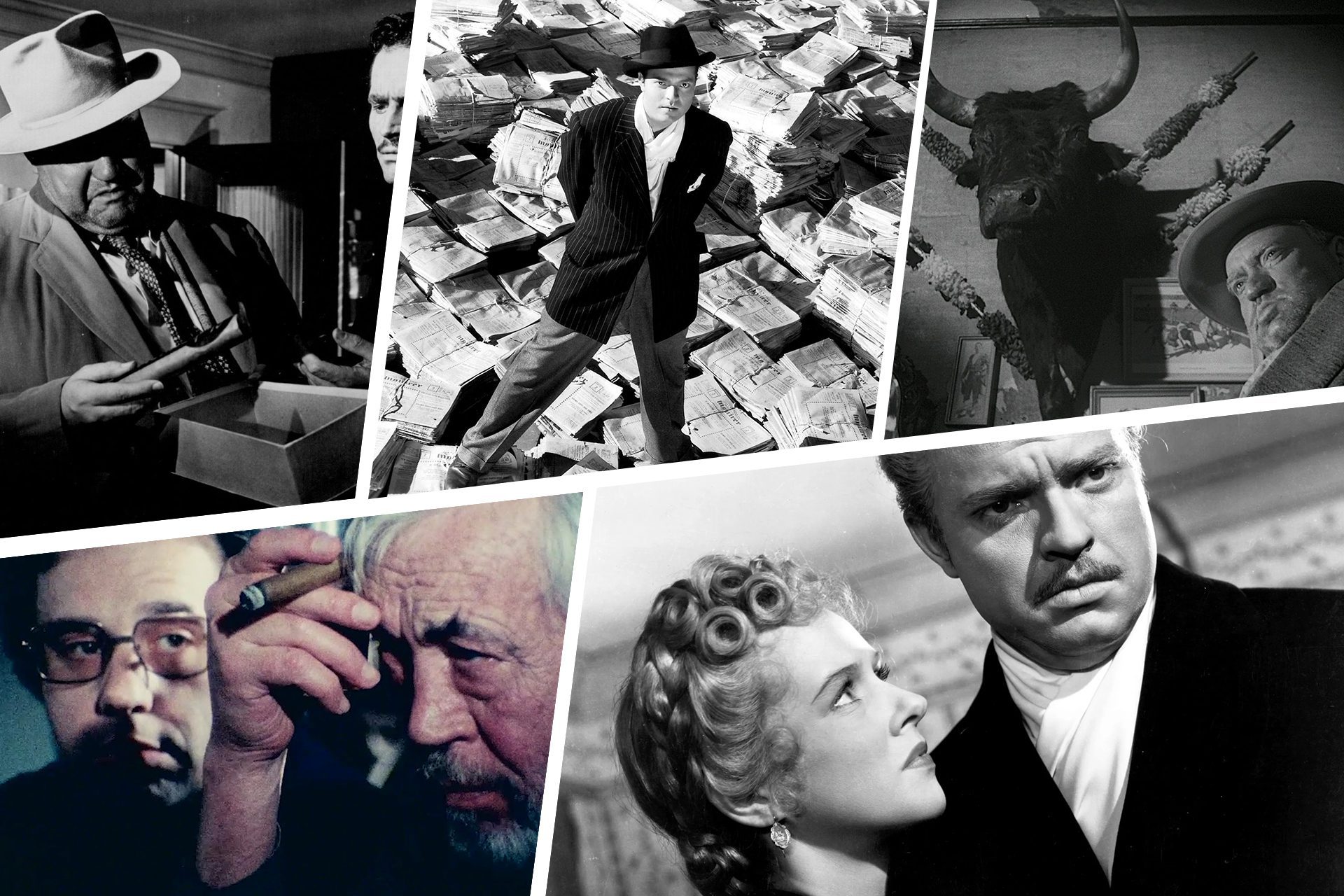
- Citizen Kane (1941): The cornerstone of Welles’s visual and narrative innovation.
- The Magnificent Ambersons (1942): A tragic exploration of decline with expressionistic cinematography.
- The Lady from Shanghai (1947): A noir thriller showcasing Welles’s flair for complex narrative and visual inventiveness.
- Touch of Evil (1958): A masterclass in noir atmosphere and moral ambiguity.
- The Trial (1962): An adaptation steeped in existential dread and surreal editing.
- F for Fake (1973): A playful, philosophical documentary blending truth and artifice.
- Chimes at Midnight (1965): Shakespearean themes filtered through Welles’s dynamic direction and editing.
- The Other Side of the Wind (2018): A posthumous testament to Welles’s enduring cinematic vision and experimental spirit.
Related on Filmmaking Lifestyle
Read next: Abbas Kiarostami: What It Teaches About Cinema, Abderrahmane Sissako: A Visual Language Worth Studying, and Abel Gance: A Practical Guide to the Filmography.
If you want the system behind the article, start with Video Business Fast Forward or Video Business Blueprint.
Wrapping Up
Orson Welles’s legacy is that of a restless innovator who reshaped the art of filmmaking with audacity and intelligence. His work defies simple categorization, traversing genres and styles while maintaining a deeply personal voice.
Welles challenged norms—technical, narrative, and thematic—and in doing so expanded the language of cinema.
His films remain essential viewing for anyone interested in how cinema can probe power, identity, and truth. The interplay of his visual style, narrative complexity, and theatrical sensibility continues to inspire filmmakers and scholars alike.
Welles’s career is a testament to the power of creative vision, even when confronted with formidable obstacles.
In exploring Welles’s filmography, one encounters not only groundbreaking artistry but also the story of a singular artist navigating the precarious balance between commerce and creativity. His work endures as a reminder of cinema’s capacity to surprise, provoke, and illuminate.
Want to explore more directors next?

New comments are not currently accepted.
Comments