
On this pageTap to expand
Robert Altman remains one of the most distinctive and influential figures in American cinema, a director whose work defies easy categorization yet speaks powerfully to the complexity of human experience. From his breakthrough with M*A*S*H to his later ensemble pieces like Nashville and The Player, Altman’s films are celebrated for their layered storytelling, richly drawn characters, and an unflinching gaze on society’s contradictions. His career, spanning from the late 1950s through the mid-2000s, saw him embrace and expand multiple genres, often imbuing them with a subversive, satirical edge.
Altman’s style is instantly recognizable for its overlapping dialogue, sprawling ensemble casts, and a commitment to exposing the emotional and psychological depths of his characters. His narratives are never simple; instead, they unfold with a naturalistic rhythm that mirrors the chaos of real life, inviting viewers to immerse themselves in a world where every character has a story worth telling.

This approach has earned him a place alongside other auteurs who sought to push beyond classical Hollywood storytelling into more fragmented and immersive realms.
Though his output sometimes courted controversy and division among critics, Altman’s films have undergone significant reevaluation, firmly establishing him as a key figure in American cinema history. His work serves as a critical bridge linking the studio-bound era to the more experimental and independent cinema movements that followed.
The Deep Cuts Worth Your Time

While Altman’s core filmography includes well-known titles like M*A*S*H, Nashville, and The Player, several lesser-known works offer crucial insight into his evolving style and thematic concerns.
- Images (1972) — A haunting psychological thriller that delves into fractured perception and identity, showcasing Altman’s interest in complex female protagonists and disorienting narrative structures.
- California Split (1974) — A character-driven story about gambling addiction, blending humor and melancholy with Altman’s signature improvisatory style and naturalistic dialogue.
- 3 Women (1977) — A dreamlike, enigmatic exploration of identity, femininity, and subconscious desire, this film is a testament to Altman’s willingness to experiment with mood and ambiguity.
- Alfred Hitchcock Presents (1955) and Combat! (1962) — Although primarily a television director in his early career, these series show Altman honing his visual storytelling and narrative timing, skills that would later flourish in his feature films.
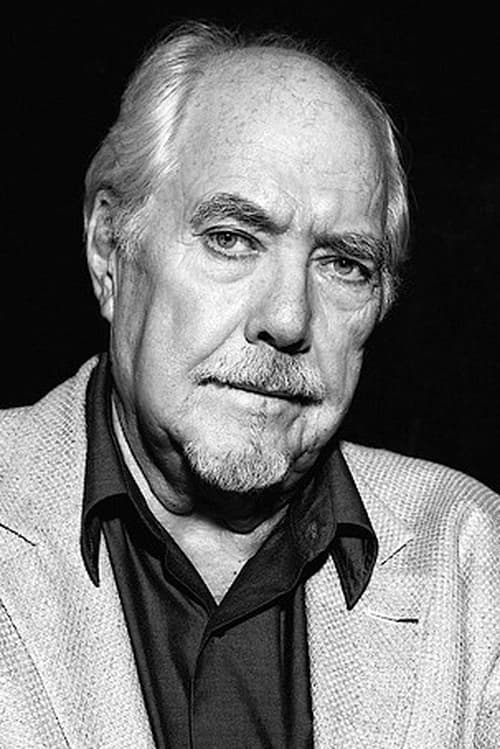
Filmmaker quote“Filmmaking is a chance to live many lifetimes.”
Robert Altman
Place in National Cinema and Film History
Altman occupies a unique position as a director who challenged and redefined American cinematic conventions. Emerging during a period of cultural upheaval in the late 1960s and early 1970s, he brought a distinctly critical and often satirical eye to the American experience. His films frequently dissect institutional authority—whether the military in M*A*S*H, the media in The Player, or the music industry in Nashville—revealing the contradictions and hypocrisies beneath the surface of everyday life.

Less cold outreach, more inbound interest
If chasing DMs isn’t your thing, this guide maps lighter-touch ways to stay visible to buyers who already hire video — without feeling salesy.
His influence extends beyond thematic concerns to form and technique, with his use of overlapping dialogue and ensemble casts inspiring generations of filmmakers to reimagine cinematic storytelling. Altman’s work sits comfortably alongside the New Hollywood auteurs, yet he maintained a signature voice that was unmistakably his own.

- Altman helped usher in a more fragmented and naturalistic narrative style that contrasted sharply with the tightly plotted studio films of the previous era.
- He played a vital role in elevating ensemble drama as a vehicle for social critique and complex characterization.
- His films are often cited as precursors to contemporary cinematic experiments with multi-threaded storytelling and meta-commentary on Hollywood itself.
Early Life and Formative Influences
Born in Kansas City, Missouri, in 1925, Robert Altman’s Midwestern roots imbued him with a particular sensibility toward American culture and its contradictions. Before establishing himself as a filmmaker, Altman worked in radio and television, where he developed a keen ear for dialogue and a knack for capturing everyday speech rhythms.
These early experiences were crucial in shaping his later emphasis on naturalistic dialogue and layered soundscapes.
Altman’s influences are diverse, reflecting his broad interests in both European and American cinema, as well as theater and literature. He drew inspiration from the improvisational freedom of jazz music, the sprawling, ensemble narratives of writers like Sherwood Anderson, and the formal experimentation of European auteurs.

These elements coalesce in a filmography that balances narrative structure with formal innovation.
What Filmmakers Can Learn From Them
Altman’s career offers invaluable lessons for filmmakers interested in pushing narrative boundaries while maintaining emotional resonance. His films demonstrate that complexity and accessibility need not be mutually exclusive, and that audiences can engage deeply with stories that reflect the messy, overlapping realities of life.
- Embrace ensemble storytelling to explore multiple perspectives and enrich narrative texture.
- Use overlapping dialogue and ambient sound to create a sense of realism and immersion.
- Challenge traditional narrative forms by allowing space for ambiguity and character-driven moments.
- Approach satire and social critique with nuance, avoiding simplistic caricature.
- Value collaboration, particularly with actors, to foster spontaneity and authenticity.
A Director’s Visual Grammar
Visually, Altman’s films eschew flashy, overtly stylized imagery in favor of a grand but naturalistic style that serves the story and character psychology. His camera often lingers on scenes where multiple characters interact, capturing overlapping actions and reactions that build intricate social tapestries.
This visual layering creates a sense of depth and spontaneity, inviting viewers to actively engage with the unfolding drama.
Altman also frequently employed long takes and fluid tracking shots, techniques that reinforce the organic flow of his narratives and encourage a theatrical sense of space. His use of color and lighting tends to be restrained yet purposeful, enhancing mood without overwhelming the ensemble dynamics.
Collaborators: Writers, DPs, Editors, Composers
Collaboration was central to Altman’s filmmaking process. He worked with a range of writers, including screenwriter Frank Barhydt on Nashville and playwright David Mamet on The Player, balancing scripted material with improvisation. Cinematographers like Vilmos Zsigmond and Paul Lohmann contributed to Altman’s signature visual style, crafting images that balanced clarity with fluidity.

Build trust before you talk price
The checklist includes rapport builders and clarifying questions so prospects feel heard — and you leave with what you need to quote accurately.
Editing, often by Altman himself or trusted collaborators, played a crucial role in shaping the overlapping dialogue and pacing that define his films. Composer and musician Leonard Cohen’s influence is felt in soundtracks that blend diegetic music with narrative, such as in Nashville and A Prairie Home Companion, where music is integral to character and story development.
Genre Patterns and Left Turns
Altman’s films resist easy genre classification but often engage with and subvert genre expectations. He made a celebrated war comedy in M*A*S*H, a revisionist Western in McCabe & Mrs. Miller, and a musical ensemble drama in Nashville. In each case, he uses genre conventions as a springboard for social commentary and complex character studies.
He was never content to repeat himself, frequently taking unexpected turns: from the lush, period-tinged mystery of Gosford Park to the whimsical musical adaptation of Popeye. These shifts demonstrate a restless artistic curiosity and a refusal to be pigeonholed, qualities that have made his oeuvre endlessly rewarding for cinephiles.
Critical Reception and Reappraisal
Altman’s films often polarized critics upon release, with some praising his audacity and others finding his style diffuse or indulgent. Over time, however, his reputation has solidified, with many works now considered landmarks of American cinema.
Scholars and critics alike recognize his pioneering role in ensemble storytelling and his nuanced critiques of American institutions.
Films like The Player and Short Cuts have been particularly appreciated for their meta-cinematic insights and structural daring, while earlier works such as M*A*S*H and Nashville remain touchstones for their cultural commentary and narrative innovation.
Related on Filmmaking Lifestyle
Read next: Abbas Kiarostami: What It Teaches About Cinema, Abderrahmane Sissako: A Visual Language Worth Studying, and Abel Gance: A Practical Guide to the Filmography.
If you want the system behind the article, start with Video Business Fast Forward or Video Business Blueprint.
Wrapping Up
Robert Altman’s cinematic legacy is one of restless innovation, profound empathy, and a commitment to exploring the messy intersections of human lives. His films continue to challenge and inspire filmmakers and audiences alike, proving that cinema can be both a mirror and a critique of society.
By blending naturalistic dialogue, ensemble casts, and multi-layered storytelling, Altman reshaped American cinema and opened new paths for narrative complexity and social satire. His work demands and rewards patient, thoughtful viewing, securing his place as one of the great auteurs of the 20th century and a vital study subject for any serious film student or enthusiast.

Want to keep going with more cinema craft?


New comments are not currently accepted.
Comments