
On this pageTap to expand
Interested in the best camera for streaming? You’re not alone. The camera you use makes a big difference in your stream quality, and there are so many options out there to choose from.
Here’s what to look for when choosing a camera for streaming!
- The more expensive models often have higher resolutions which will result in higher quality streams.
- Lighting is also important because it can be difficult or impossible to see details on dark surfaces without sufficient lighting. Consider investing in lights if necessary!
The cameras you use for streaming are important. You need to choose a camera that will give your viewers the best viewing experience possible.
We’ve put together this list of the 10 best cameras for streaming so you can make an informed decision when purchasing a new streaming camera.
This article will cover the different types of cameras and their benefits, with comparisons on a range of use cases as well as optimal usage scenarios. There’s something in here for everyone!
This information will hopefully give you enough knowledge to decide which type of camera is going to work best for your needs. So let’s get started!

Best Camera For Streaming – The List

Let’s start off with a webcam that’s considered a legend in the streaming world!
The complete shortlist

| # | Camera |
|---|---|
| 1 | Sony A6400 |
| 2 | Canon EOS R50 V |
| 3 | Logitech C922 Pro Stream |
| 4 | Panasonic Lumix GH7 |
| 5 | GoPro HERO13 Black |
| 6 | Sony Alpha A7 III |
| 7 | Razer Kiyo |
| 8 | Canon EOS R6 Mark III |
| 9 | Logitech C270 HD Webcam |
| 10 | Logitech Brio Ultra HD Pro Webcam |
| 11 | Fujifilm X-T5 |
| 12 | Panasonic Lumix G7 |
| 13 | Nikon Z50 II |
| 14 | Mevo Start |
1. Sony A6400
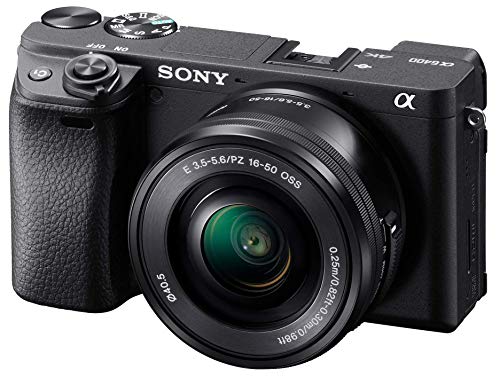
Sony
- 20.1MP stacked back illuminated 1
- Enhanced subject capture: wide 425 Phase/ 425 contrast detection points over 84 percent of the sensor
- Fast and accurate: Up to 11Fps continuous shooting at 24.2 MP raw with crisp, clear natural colors
- Multiple movie functions: Make time lapse movies or slow/quick motion videos without post processing
- Tiltable LCD screen: customizable for vlogging, still photography or recording a professional film
- In the box: rechargeable battery (NP FW50) AC adaptor (ac uud12), shoulder strap, body cap, accessory shoe cap, eyepiece cup, micro USB cable. Metering Type: 1200 zone evaluative metering
20.1MP stacked back illuminated 1 Enhanced subject capture: wide 425 Phase/ 425 contrast detection points over 84 percent of the sensor
View on AmazonDesign & Build
Sony’s A6400 is a testament to the company’s dedication to merging compactness with power.
Built with a magnesium alloy body, it boasts durability while retaining a lightweight profile, ideal for both on-the-go shooting and studio work.
The camera’s 3-inch tiltable LCD touchscreen allows for flexibility, especially beneficial for vlogging or capturing high-angle shots.
The ergonomics, although compact, feel intuitive, providing easy access to vital controls and functions.
Performance & Imaging
Equipped with a 24.2-megapixel APS-C Exmor CMOS sensor and paired with Sony’s BIONZ X image processor, the A6400 promises excellent image quality, capturing minute details with precision.
The standout feature is undoubtedly its autofocus system, boasting 425 phase-detection points and 425 contrast-detection points, offering rapid and accurate focus.
With a blistering focus speed of 0.02 seconds, it claims to have the world’s fastest AF acquisition.
Coupled with impressive continuous shooting capabilities at 11fps and 4K video recording, it’s a powerhouse in its segment.
Features & Usability
The A6400 is teeming with features that cater to a range of photography styles.
Its Real-time Eye AF and Real-time Tracking functionalities ensure subjects remain in sharp focus, be it during portrait shots or fast-paced action sequences.
The camera’s native ISO range of 100-32000 (expandable up to 102400 for stills) makes it adept at handling varied lighting conditions.
On the usability front, the inclusion of a microphone jack is a boon for videographers, while the customizable buttons allow users to tailor the camera interface to their preferences.
Conclusion Sony’s A6400 emerges as a compelling choice for enthusiasts and professionals seeking a compact yet powerful camera.
Whether you’re a street photographer, a travel blogger, or a videographer, the A6400’s blend of rapid performance, top-tier autofocus capabilities, and high-quality imaging makes it a formidable contender in the mirrorless camera market.
With its array of features and a competitive price point, it stands as a testament to Sony’s commitment to catering to the evolving needs of the modern photographer.
2. Canon EOS R50 V
Design & Build
Canon discontinued the entire EOS M system, including the M50 Mark II, in October 2023 — the EF-M mount is dead, so this slot goes to Canon’s current RF-mount vlogging-focused entry camera, the EOS R50 V.
The camera feels robust in hand, thanks to its solid construction, yet remains lightweight, making it ideal for travel enthusiasts and streamers.
The vari-angle touchscreen LCD further enhances its versatility, allowing for creative compositions, selfie shots, and convenient video recording angles.
Performance & Imaging
Powered by a 24.2-megapixel APS-C CMOS sensor and Canon’s DIGIC X image processor, the R50 V promises sharp, vibrant images with a good dynamic range, ahead of the older DIGIC 8-powered M50 Mark II.
Canon’s deep-learning subject-detection autofocus, a standout feature, ensures fast and accurate focus during both photography and video recording.
The camera boasts a wide ISO range, enabling commendable low-light performance.
It offers full-width 4K video recording up to 30p without the punishing crop the M50 Mark II applied.
Features & Usability
The R50 V is feature-rich, catering to both budding streamers and seasoned professionals.
Its subject-detection AF ensures precise focus during portrait shots, while built-in vertical video recording caters to content creators targeting platforms like Instagram and TikTok.
The camera also integrates seamlessly with Canon’s Camera Connect app, simplifying the process of transferring images and remotely controlling the camera.
For those venturing into vlogging or streaming, the clean HDMI output, USB-C streaming, and microphone input are invaluable additions.
Canon’s EOS R50 V solidifies its position as a strong contender in the entry mirrorless segment.
Unlike the discontinued M50 Mark II, it sits on Canon’s current RF mount, so autofocus, connectivity, and lens support keep improving under it rather than sitting frozen on an abandoned system.
Ideal for those transitioning from smartphone photography or looking for a secondary, more portable camera option, the R50 V offers a blend of performance, versatility, and user-friendly features.
It’s a camera that truly punches above its weight, offering great value for its price point.
Cameras are one of the most important pieces to streaming. Whether you’re a new or experienced streamer, you need to know what type of camera is right for your needs.
There are many different types of cameras that can be used in streaming, but not all will work for everyone.
If you are using your camera to stream, then it is important that the resolution and frame rate of the camera meet the requirements of streaming. Otherwise, your viewers will experience a lag in video quality or be unable to watch at all.
There are many different types of cameras for streaming including webcam software built into computers as well as standalone devices like the cameras we cover in this guide.
3. Logitech C922 Pro Stream

Design & Build
Logitech’s C922 Pro Stream is a purpose-built webcam for streamers and content creators, marrying sleek design with robust functionality.
Sporting a compact frame with a flexible mount, it easily attaches to various monitors or tripods, ensuring versatility in setup.
The glass lens and premium autofocus ensure clarity, while the design promotes durability and longevity.
With its classic black finish, the webcam maintains a professional appearance, suitable for any streaming or video conferencing environment.
Performance & Video Quality
The C922 shines when it comes to video quality. Capable of recording 1080p at 30fps or a smooth 720p at 60fps, it offers choices for those looking to prioritize resolution or fluidity.

You’ve streamlined delivery — now fill the pipeline
Great templates save hours; this guide helps you pair them with positioning and outreach so the right clients actually see your work.
The autofocus is both swift and precise, ensuring the subject remains in clear view even with movement.
The camera performs commendably in varied lighting conditions, thanks to its automatic light correction feature.
This ensures that even in suboptimal environments, the video output remains bright and clear.
Audio & Streaming Features
Audio plays an indispensable role in streaming, and the C922 doesn’t disappoint with its dual stereo microphones.
They capture sound naturally, providing a well-rounded audio-visual experience for viewers.
For streamers, one of the standout features is the background replacement technology, powered by Personify.
This allows users to integrate live images while broadcasting or integrate different background scenes, adding a layer of professionalism and immersion to streams.
Logitech’s C922 Pro Stream positions itself as a must-have tool for streamers and content creators looking to elevate their broadcasting game.
Its balance of superior video quality, clear audio capture, and essential streaming features makes it a standout choice in the saturated webcam market.
Whether you’re a professional streamer, an educator, or just someone looking to improve your video conferencing experience, the C922 Pro Stream provides reliability and performance that justify its acclaim in the streaming community.
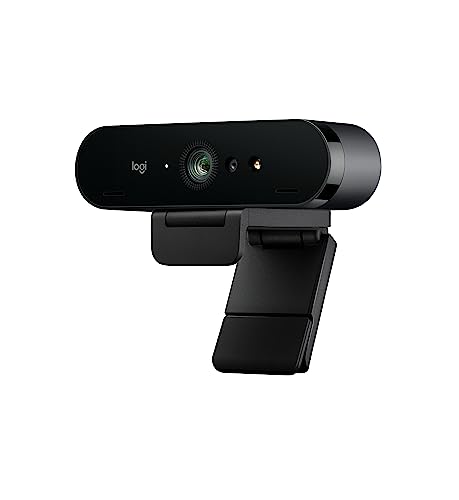
Logitech
- This product is discontinued and no longer sold by Logitech. Purchases made through this listing are not validated or sold by Logitech.
This product is discontinued and no longer sold by Logitech. Purchases made through this listing are not validated or sold by Logitech.
View on Amazon4. Panasonic Lumix GH7
Design & Build
Panasonic has discontinued the GH5, moving this video-focused line forward through the GH6 to the current GH7, which stands as a testament to Panasonic’s dedication to creating cameras that cater to both photographers and videographers.
The GH7 features a robust, weather-sealed body that is perfect for those adventurous shoots in challenging conditions.
Its ergonomic design ensures comfortable handling, and the intuitive button layout streamlines the shooting process.
The large OLED Live View Finder and a free-angle touchscreen offer flexibility, ensuring shots are framed perfectly every time.
Performance & Imaging
At the heart of the GH7 is a 25.2-megapixel sensor, ensuring images are captured with sharpness and clarity beyond the GH5’s 20.3MP chip.
The camera showcases its prowess in video recording, supporting open-gate 5.8K and 4K up to 120fps, well beyond what the GH5 could manage.
Its 5-axis image stabilizer corrects all lenses, eliminating blur and ensuring crisp photos and steady video footage.
The GH7 can tackle various lighting situations, rendering images with low noise and high detail.
Features & Usability
One of the standout features of the GH7 is phase-detect autofocus — a first for this line, and a meaningful fix for the GH5’s biggest weakness.
This ensures that you never miss that perfect shot, especially in fast-paced scenarios.
Videographers will appreciate the high frame rate recording, internal ProRes RAW and ProRes 422 HQ recording, and full-sized HDMI port, which make the GH7 a reliable tool for professional video work.
The camera’s dual card slots, customizable control buttons, and Bluetooth/Wi-Fi connectivity enhance usability and workflow.
The Panasonic Lumix GH7 emerges as a powerhouse in the mirrorless camera segment, especially for those with a focus on video production.
While it excels in photography, its video capabilities set it apart, making it a preferred choice for videographers and content creators.
Whether you’re shooting a documentary, a travel vlog, or capturing memories on a vacation, the GH7 promises performance, versatility, and reliability.
In the balance of features and price, it firmly establishes its position as a top-tier multimedia camera.
5. GoPro HERO13 Black
Design & Build
GoPro has moved several generations past the HERO9 Black, and the current flagship, the HERO13 Black, carries forward the legacy of GoPro’s rugged design while introducing a larger lens mod ecosystem to improve versatility.
It features a robust construction that’s waterproof up to 33 feet without a housing, making it an ideal companion for underwater and extreme sports activities.
A front-facing color display remains standard, providing a handy reference for framing shots, especially when vlogging or taking selfies.
Performance & Video Quality
The HERO13 Black pushes the boundaries with 5.3K video recording capabilities, ensuring detailed footage that stands out in clarity and vibrancy.
This allows for extra flexibility in post-production, enabling users to crop and manipulate their footage without compromising on resolution.
HyperSmooth 6.0, GoPro’s latest stabilization technology, ensures buttery smooth videos, whether you’re skiing down a mountain or mountain biking through rough terrains — a clear step up from the HERO9’s HyperSmooth 3.0.
The 27MP photo capabilities also guarantee crisp images, ahead of the HERO9’s 20MP stills.
Features & Usability
A major attraction for many GoPro enthusiasts is the array of features packed into such a compact device.
HindSight carries over, capturing video from before you press the record button, ensuring you never miss a moment.
Interchangeable magnetic lens mods (macro, anamorphic, ND) are new since the HERO9 Black, letting streamers change the camera’s look without switching bodies.
The webcam mode, live streaming capabilities, and voice commands make the HERO13 Black a versatile tool for content creators and adventurers alike.
The GoPro HERO13 Black reaffirms GoPro’s position as a leader in the action camera segment.
With a plethora of innovative features, enhanced video quality, and the reliability that GoPro is known for, the HERO13 Black is an indispensable tool for thrill-seekers and videographers.
Whether you’re diving into deep oceans, climbing peaks, or simply capturing everyday moments, the HERO13 Black delivers performance that’s unparalleled, making it a worthy investment for those seeking the best in action videography.
6. Sony Alpha A7 III
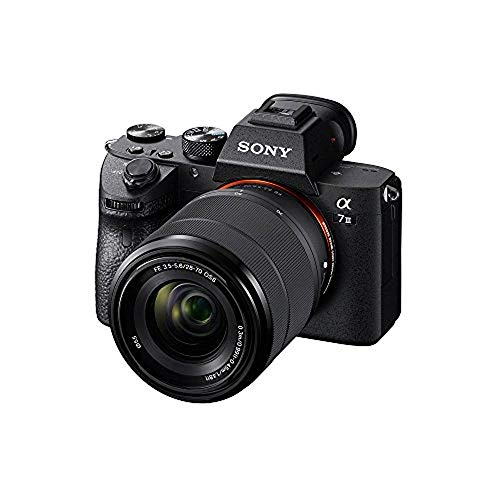
Sony
- Advanced 24.2MP BSI Full-frame Image Sensor w/ 1.8X readout speed Advanced 24.2MP Back-Illuminated 35mm Full-frame Image Sensor
- 15-stop dynamic range, 14-bit uncompressed RAW, ISO 50 to 204,800
- Up to 10fps Silent or Mechanical Shutter with AE/AF tracking
- 693 phase-detection / 425 contrast AF points w/ 93% image coverage
- In the box: SEL2870 lens, Lens hood, Lens cap, Lens rear cap, Rechargeable Battery (NP-FZ100), AC Adapter (AC-UUD12), Shoulder strap, Body cap, Accessory shoe cap, Eyepiece cup, Micro USB cable
- Sensor Type : 35mm full frame (35.6×23.8mm), Exmor R CMOS sensor
Advanced 24.2MP BSI Full-frame Image Sensor w/ 1.8X readout speed Advanced 24.2MP Back-Illuminated 35mm Full-frame Image Sensor 15-stop dynamic range, 14-bit uncompressed RAW, ISO 50 to 204,800
View on AmazonDesign & Build
The Sony Alpha A7 III is a testament to Sony’s commitment to combining functionality with aesthetics in their mirrorless camera range.
Encased in a weather-sealed body, the A7 III ensures durability in various shooting environments, making it a perfect companion for professionals and enthusiasts alike.
The ergonomic grip, paired with a comprehensive button layout, facilitates intuitive operation.
The tilting touchscreen LCD and high-resolution electronic viewfinder are standout features, ensuring photographers have multiple options for composing shots.
Performance & Image Quality
Equipped with a 24.2-megapixel full-frame BSI CMOS sensor and the BIONZ X image processor, the A7 III delivers stunning image quality, characterized by rich detail and accurate colors.
Its expansive ISO range of 100-51200 ensures excellent low-light performance.
The camera boasts 4K video recording capabilities with full pixel readout, rendering footage that’s sharp and full of depth.
The 5-axis in-body image stabilization guarantees that both photos and videos are free from blurring, even in challenging shooting situations.
Features & Usability
The A7 III truly shines when it comes to its autofocus system. Boasting 693 phase-detection and 425 contrast-detection AF points, it provides swift and accurate focusing, tracking subjects with precision.
The 10 fps continuous shooting mode ensures you never miss a moment, capturing action with aplomb.
Battery life is another area where the A7 III impresses, offering approximately 710 shots per charge.
Features like USB charging, dual SD card slots, and customizable function buttons augment the camera’s usability, making it adaptable to various shooting scenarios.
The Sony Alpha A7 III emerges as a balanced mirrorless camera that offers a blend of image quality, performance, and advanced features at a competitive price point.
Suitable for a range of photography styles and videography needs, it caters to both professionals and serious hobbyists.
The A7 III, with its powerful sensor, impressive autofocus system, and robust video capabilities, establishes itself as a formidable contender in the full-frame mirrorless segment, reinforcing Sony’s prowess in the camera industry.
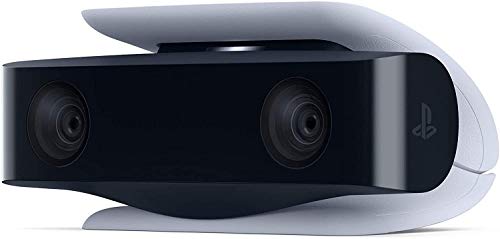
PlayStation
- Built-in adjustable stand helps you get the perfect shot.
- Stand's compact design allows it to be securely positioned above or below your TV.
- Quickly record or broadcast yourself and your gameplay via your DualSense wireless controller's Create button.
- 1080p capture delivers smooth, sharp Full HD via the camera's dual wide-angle lenses for your most epic gaming moments.
- PS5's background removal tools let you take centre stage in your productions; add yourself to your gameplay videos while broadcasting in picture-in-picture mode, crop the background, or lose it entirely with a green screen.
Built-in adjustable stand helps you get the perfect shot. Stand's compact design allows it to be securely positioned above or below your TV.
View on Amazon7. Razer Kiyo

Design & Build
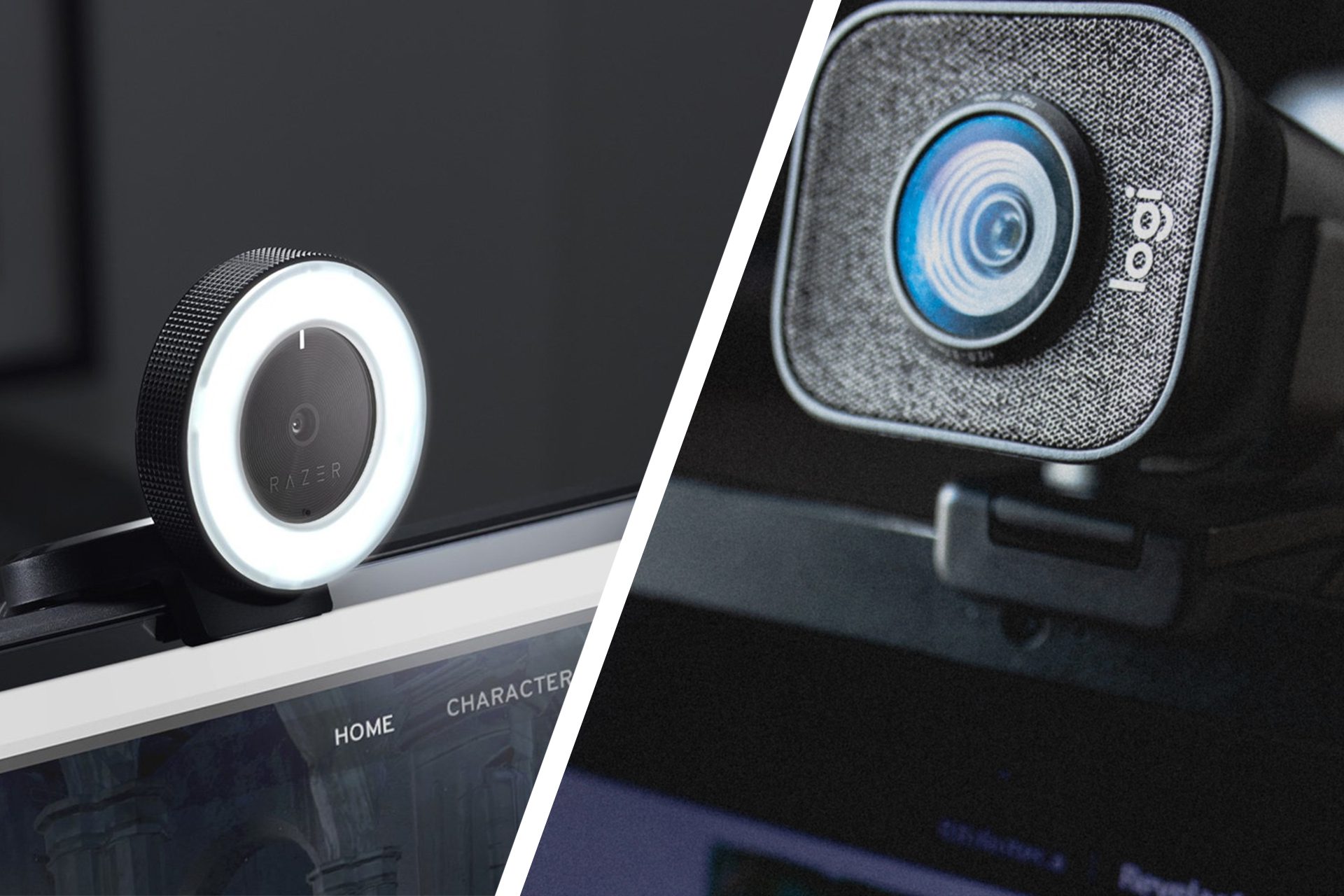
The Razer Kiyo immediately distinguishes itself from other webcams with its unique circular design that incorporates a ring light.
This innovative addition is not just for aesthetics; it plays a crucial role in ensuring even lighting, a feature that streamers and content creators will find invaluable.
The camera has a sturdy feel, reflecting Razer’s commitment to quality.
Its flexible clip allows for easy mounting on various monitors, and it can also be attached to a tripod for more versatile placement options.
Performance & Video Quality
Sporting a 4-megapixel sensor, the Kiyo is capable of recording 1080p video at 30fps or 720p video at 60fps.
This flexibility allows users to choose the resolution that best suits their needs, be it streaming, video conferencing, or content creation.
The colors are vibrant, and the video is sharp, offering a clear and professional look.
The integrated ring light comes with adjustable brightness levels, ensuring that users are well-lit, reducing shadows and enhancing video quality, especially in low-light conditions.

Features & Usability
One of the standout features of the Razer Kiyo is its compatibility with popular streaming software like OBS and XSplit, making it a favorite among streamers.
The ring light’s adjustable settings are controlled via a rotating bezel, offering a tactile and straightforward method to achieve the desired brightness.
Additionally, the Kiyo supports fast and accurate autofocus, ensuring the subject remains sharp even with movements.
The built-in microphone provides decent audio quality, suitable for casual use, though dedicated streamers might prefer external microphones for enhanced audio fidelity.
The Razer Kiyo positions itself as more than just a webcam; it’s a tool tailored for streamers and content creators.
Its integrated ring light and high-definition video recording capabilities make it a standout in a crowded market.
For those seeking to elevate the quality of their video content without the need for external lighting setups, the Kiyo presents a compelling choice.
Balancing functionality with simplicity, Razer has crafted a product that addresses the specific needs of its target audience, reinforcing its reputation as a brand attuned to the requirements of the gaming and streaming community.
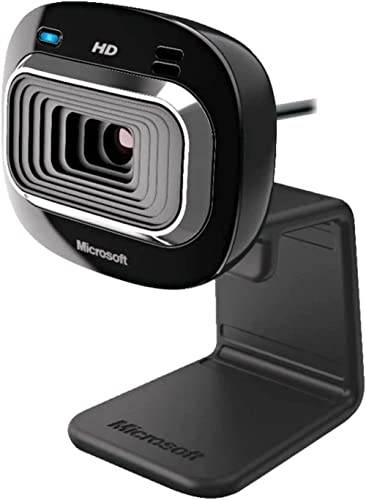
Microsoft
- True 720p HD Video - Post true HD video to online video sites.
- 16:9 Widescreen - For cinematic video recording.
- Clear, High Quality Video
- Noise Cancelling Microphone - Crystal-clear audio and built-in unidirectional microphone with acoustic noise cancellation.
- Universal Attachment Base - Work on your desktop, laptop, or notebook.
True 720p HD Video - Post true HD video to online video sites. 16:9 Widescreen - For cinematic video recording.
View on Amazon8. Canon EOS R6 Mark III
Design & Build
Canon has discontinued the original EOS R, and the current full-frame mirrorless pick in this range is the EOS R6 Mark III, which doesn’t disappoint in terms of build quality.
Sporting a weather-sealed magnesium alloy body, it ensures durability while retaining a relatively compact form factor.
The R6 Mark III’s ergonomics have been thoughtfully designed with a deep grip, making it comfortable for prolonged use.
Its fully articulating touchscreen provides versatility for both still photography and videography.
Performance & Image Quality
Underpinning the R6 Mark III is a 32.5-megapixel full-frame CMOS sensor, a meaningful resolution increase over the original EOS R’s 30.3MP sensor.
This combination yields crisp, detailed images with excellent color accuracy.
The camera exhibits commendable performance in low-light scenarios, with a native ISO range of 100-64,000.
The R6 Mark III’s Dual Pixel AF II system is both fast and accurate, with deep-learning subject recognition that the original EOS R never had.
Unlike the EOS R, it includes in-body image stabilization and records oversampled 4K without the older camera’s punishing crop.
Features & Usability
The R6 Mark III uses Canon’s current RF mount, the same one introduced with the EOS R, so lens support has only grown since — and EF/EF-S glass still works via the mount adapter.
The R6 Mark III offers up to 40 fps continuous shooting with the electronic shutter, ensuring you never miss a crucial moment — five times the original EOS R’s 8 fps.
For those keen on videography, the camera provides 7K RAW internal recording, well beyond the EOS R’s external-only 10-bit 4:2:2 output.
The user interface and menu system are quintessentially Canon, making the transition easier for those already accustomed to the brand.
The Canon EOS R6 Mark III is a mature, refined step in the full-frame mirrorless line the original EOS R started, showcasing Canon’s commitment to innovation.
It resolves the original EOS R’s biggest complaints — no in-body stabilization and a heavy 4K crop — while adding autofocus and speed the first-generation body never had.
For photographers, especially those already invested in Canon’s ecosystem, the R6 Mark III offers a new avenue to explore, combining familiar Canon reliability with current technological advancements.
9. Logitech C270 HD Webcam
Design & Build
Microsoft discontinued its entire LifeCam webcam line back in 2023 as part of exiting first-party PC accessories, so this budget slot now goes to Logitech’s C270 HD Webcam, which exudes a compact and functional design, making it suitable for various setups, from professional workstations to personal laptops.
Its universal attachment clip ensures compatibility with a range of monitors and surfaces.
While it doesn’t boast the premium materials found in higher-end webcams, its plastic construction feels durable and is in line with its budget-friendly positioning.
The camera is also complemented by a noise-reducing microphone, an unexpected yet welcome feature for its price point.
Performance & Video Quality
Equipped with a 720p HD sensor, the C270 delivers video at a maximum resolution of 1280 x 720 pixels.
While not full HD, the video quality is adequate for standard video conferencing and casual streaming.
Colors are reasonably accurate, and automatic light correction ensures that the video remains bright and clear, adapting dynamically to varying light conditions.
The camera’s widescreen format is perfect for widescreen displays, delivering a broader field of view than typical webcams of its era.
Features & Usability
One of the highlights of the C270 is its compatibility across platforms, functioning seamlessly with both Windows and macOS.
Its automatic light correction, which provides bright and colorful video in virtually all lighting conditions, distinguishes this webcam from others in its price range.
The built-in noise-reducing microphone is proficient at cutting ambient sounds, ensuring clear audio during calls.
The camera doesn’t come with advanced features like autofocus or zoom, but it offers straightforward plug-and-play functionality without the need for additional software or drivers.
The Logitech C270 offers commendable performance and a range of features that are impressive for its budget-friendly price tag.
While professionals or content creators may seek higher resolutions and more advanced features, the C270 is perfect for everyday users in need of a reliable webcam for video calls or basic streaming.
Its ease of use, combined with Logitech’s reputation for dependable hardware, makes the C270 a solid choice for those seeking good quality without breaking the bank — and unlike the LifeCam line, it’s a webcam its maker is still actually selling.
10. Logitech Brio Ultra HD Pro Webcam

Design & Build
The Logitech Brio Ultra HD Pro stands out in the crowded webcam market with a sleek and modern design that complements any professional setup.
The premium build, characterized by its brushed metal front and high-quality plastics, gives it a distinctive look and feel.
The adjustable clip ensures compatibility with a variety of monitors, while its tripod-ready mount offers flexibility for content creators.
The inclusion of an infrared facial recognition sensor not only provides an added layer of security but also signals Logitech’s commitment to innovative features.
Performance & Video Quality
Touted as Logitech’s top-tier webcam, the Brio Ultra HD Pro doesn’t disappoint in the video quality department.
It boasts an impressive 4K Ultra HD resolution, ensuring crisp, clear, and detailed video feeds.
With RightLight 3 and HDR technology, the webcam intelligently adjusts to deliver optimum visuals irrespective of ambient light conditions.

Stop under-scoping jobs on the discovery call
The Discovery Call Checklist walks you through the questions that surface scope, budget, and timeline — before you send a quote you’ll regret.
Whether in low light or direct sunlight, the Brio provides consistent and flattering video.
Its autofocus is swift and accurate, ensuring subjects always appear clear and sharp.
Features & Usability
One of the Brio’s standout features is its adjustable field of view.
Users can select between 65°, 78°, and 90°, providing flexibility for both intimate calls and broader shots for streaming or presentations.
The built-in stereo microphones, enhanced with noise-cancellation technology, capture clear audio, minimizing ambient distractions.
For those concerned about privacy, the Brio comes with a removable privacy shutter.
Compatibility is another strength, with the Brio seamlessly integrating with both Windows and macOS, and supporting a variety of streaming and conferencing applications.
The Logitech Brio Ultra HD Pro Webcam firmly establishes itself as a frontrunner for professional webcams.
Its unparalleled 4K video quality, combined with smart lighting adjustments and a customizable field of view, caters to a wide array of users, from corporate professionals to avid content creators.
The price point might be on the higher end, but for those who prioritize quality and versatility, the investment in the Brio is justifiable.
It’s not just a webcam; it’s a statement of demanding the best in video communication.

Sony
- Advanced 24.2MP BSI full frame Image Sensor w/ 1.8X readout speed.Aspect Ratio - 3:2, Headphone Terminal : Yes (3.5 mm Stereo minijack), Mic Terminal : Yes (3.5 mm Stereo minijack). Brightness Control (Viewfinder) : Auto/Manual (5 steps between -2 and +2).
- 15 stop dynamic range, 14 bit uncompressed RAW, ISO 50 to 204,800. Compatible with Sony E mount lenses. Can be connected via Bluetooth with smartphones featuring (as of the date of release)- Android (Android 5.0 or later, Bluetooth 4.0 or later), iOS (Bluetooth 4.0 or later)
- Up to 10fps silent or mechanical shutter with AE/AF tracking. Battery life (Still Images): Approx. 610 shots (Viewfinder) / approx. 710 shots (LCD monitor), battery life (Movie, continuous recording): Approx. 200 min (Viewfinder) / Approx. 210 min (LCD monitor)
- 693 phase detection / 425 contrast AF points w/ 93 percent image coverage. Focus sensor: Exmor R CMOS sensor
- In the box: Rechargeable battery (NP FZ100), AC adapter (AC UUD12), shoulder strap, body cap, Accessory shoe cap, Eyepiece cup, Micro USB cable. Metering type: 1200 zone evaluative metering
Advanced 24.2MP BSI full frame Image Sensor w/ 1.8X readout speed.Aspect Ratio - 3:2, Headphone Terminal : Yes (3.5 mm Stereo minijack), Mic Terminal : Yes (3.5 mm Stereo minijack). Brightness Control (Viewfinder) : Auto/Manual (5 steps between -2 and +2). 15 stop dynamic range, 14 bit uncompressed RAW, ISO 50 to 204,800. Compatible with Sony E mount lenses. Can be connected via Bluetooth with smartphones featuring (as of the date of release)- Android (Android 5.0 or later, Bluetooth 4.0 or later), iOS (Bluetooth 4.0 or later)
View on Amazon11. Fujifilm X-T5
Fujifilm discontinued the X-T4 in 2022; its successor, the X-T5, is not just a powerhouse in photography — it’s also an exceptional choice for filmmakers and live streamers.
With its 40.2MP APS-C sensor and outstanding image quality, a substantial jump from the X-T4’s 26.1MP, we’re looking at a camera that brings cinematic quality to live streaming.
Its in-body image stabilization (IBIS) system ensures smooth footage even when we’re on the move.
The X-T5’s ability to shoot in F-Log2 or 10-bit 4:2:2 externally gives content creators the flexibility to produce rich, color-graded videos.
Let’s talk about frame rates and resolutions.
The X-T5 boasts:
- Up to 6.2K resolution at 30fps
- Slow-motion capabilities with 1080p at 240fps
These features make the Fujifilm X-T5 a versatile tool in our streaming arsenal.
For those extended live sessions, the battery life of the X-T5 is on par with the already-strong X-T4.
We also appreciate the three-way tilting touchscreen LCD, which is a boon for solo content creators who need to monitor themselves while on camera.
The dual SD card slots are handy for continuous recording, ensuring there’s no downtime during our stream.
The camera’s robust video-centric feature set complements its stills capabilities perfectly.
Our team often relies on the Fujifilm X-T5 for its:
- Film simulation modes that add a unique look to our footage
- Advanced subject-detection autofocus system keeping our subjects tack sharp — a real step up from the X-T4’s AF
The Fujifilm X-T5 easily interfaces with various streaming software, making it a natural choice for filmmakers who prioritize quality and reliability.
We’re continuously impressed by how it stands up to the rigors of live broadcasting.
We’ve explored the excellent features of the Fujifilm X-T5, from its high-performance video functions to the dual SD card slots.
It’s clear that whether we’re capturing documentary footage or streaming a live event, this camera has the prowess to deliver top-tier content.
It’s an investment in our production quality that pays dividends with every stream.
12. Panasonic Lumix G7
When we talk about value and functionality in the realm of streaming, the Panasonic Lumix G7 takes a deserved spot in the conversation.
Its impressive 4K video capture capabilities offer streamers high-resolution content without very costly.
The 16-megapixel Micro Four Thirds sensor works wonders for both live streaming and pre-recorded content, pumping out crystal-clear footage even in not-so-ideal lighting conditions.
We can achieve remarkable depth and detail, attributes every filmmaker appreciates.
Autofocus is a critical feature for streamers, and the Lumix G7 delivers with its DFD (Depth-From-Defocus) technology.
We get fast and precise autofocus, ensuring that we’re always in sharp focus during live broadcasts.
The Lumix G7 is lightweight and compact, making it an excellent choice for streamers who are always on the move or working with limited space.
On top of that, the camera’s ergonomics are designed for easy handling, which is essential when we’re interacting with an audience live.
- Versatile connectivity options – A fully articulating screen for easy viewing at any angle
- An external microphone port to enhance audio quality Our content’s audio-visual quality gets a substantive boost, making the Panasonic Lumix G7 a solid contender for best camera for streaming. It supports the DMW-AC10 AC Adapter for extended use without battery concerns, ensuring that we don’t get cut off mid-stream due to power issues. Overall, the Lumix G7 presents itself as an adaptable and affordable tool for the filmmaker focused on delivering polished streaming content.
13. Nikon Z50 II
Nikon replaced the original Z50 with the Z50 II in November 2024, and we find a powerhouse in a compact mirrorless design in the newer model.
It’s a suitable ally for content creators who prioritize high-quality streaming without the bulk of traditional DSLR cameras.
The Z50 II keeps the same 20.9-megapixel DX-format sensor, now paired with Nikon’s newer Expeed 7 processor, which ensures that every live stream is crystal clear.
Coupled with its ability to shoot 4K UHD videos at up to 30fps (60fps in a crop), it offers excellent performance for both live streaming and recorded content.
Let’s talk about streaming features – the Nikon Z50 II doesn’t disappoint.
It supports clean HDMI output and webcam functionality with Nikon’s Webcam Utility software, plus a dedicated Product Review AF mode the original Z50 lacked.
Convenience is at your fingertips with its flip-down touchscreen, making it ideal for solo content creators who need to self-monitor while streaming.
Autofocus is a game-changer, and the Z50 II’s 3D subject-tracking AF, borrowed from Nikon’s flagship bodies, is up to the challenge.
It locks onto subjects quickly and accurately, ensuring your streams are professional and engaging — noticeably more reliable than the original Z50’s AF system.
This is crucial when broadcasting live events where you can’t afford to lose focus.
For creators toggling between video and stills – it’s a breeze with the Z50 II.
It captures crisp images, providing the flexibility to produce a variety of content.
The camera benefits from Nikon’s expansive range of NIKKOR Z lenses, enhancing its versatility further.
Battery life often dictates the length of a streaming session.
The Z50 II keeps you powered through extended live streams and shoots, with UHS-II card support the original Z50 didn’t have.
Remember to keep spare batteries on hand for uninterrupted streaming.
Here are some highlights to remember about the Nikon Z50 II for streaming:
- 20.9MP DX-format sensor
- 4K UHD recording at 30fps
- 3D subject-tracking Autofocus system
- Flip-down touchscreen for easy monitoring
- Webcam functionality and clean HDMI out
Diving deeper into its use as a streaming camera, we weigh its features against competitors.
Robust connectivity options, including Wi-Fi and Bluetooth, integrate seamlessly with your workflow.
Whether streaming on-location or from a studio, the Nikon Z50 II is well-equipped to deliver professional results.
14. Mevo Start
Designed specifically for live streaming, the Mevo Start stands out with its specialized features.
This camera integrates seamlessly into live production workflows, making it ideal for streaming to platforms like YouTube, Facebook Live, and Twitch.
The Mevo Start boasts remarkable portability and an impressive battery life of up to six hours.
These features ensure it can handle long streaming sessions without a power source, making it perfect for events and on-the-go broadcasts.
A noteworthy attribute is the Mevo Start‘s built-in stereo microphones.
They provide high-quality audio, which is essential for live streaming.
For more professional setups, it also includes an external audio input.
When it comes to video quality, the camera doesn’t disappoint –
- Full HD 1080p resolution
- Excellent low-light performance
- A wide 83.7° field of view
Effortless connectivity is part of the Mevo Start design ethos.
It can stream over Wi-Fi, Ethernet, or even your smartphone’s LTE connection.
This ensures that regardless of the venue, you’ll have a reliable way to broadcast.
Managing your stream is convenient with the Mevo Start.
The companion app acts as a control center, giving us the ability to crop, zoom, and pan the image digitally.
You can also edit your stream in real-time, which is an invaluable feature when engaging with your audience on the fly.
In the realm of live streaming, the Mevo Start proves to be a powerful tool.
Its ease of use and full suite of features cater to everyone from amateur content creators to professional broadcasters.
With robust streaming capabilities, it’s a solid contender for those looking to deliver high-quality live video content.
Four Essential Criteria For Live Streaming Cameras
A live stream is an incredible way to get your message out there and connect with people. With the right equipment, you can be sure that every broadcast will be successful.
The four essential criteria for live streaming cameras are:
- quality resolution,
- high frame rate capability,
- dependable wireless connectivity, and
- portability.
The world of live streaming has become a huge industry. With the ability to broadcast events and performances, it’s no surprise that many people are looking for the perfect camera to suit their needs.
The following criteria should be considered before purchasing your streaming camera:
- Image Quality,
- Connectivity Options,
- Camera Weight,
- Audio quality, and
- Price Point.
With these factors in mind, you can make a decision on which streaming camera is best for you and your needs.
I hope that after reading this post you now have a better understanding of what to look for in order to find the perfect camera for your needs!
Produce Professional Live Streams From Multiple Cameras
Do you want to start streaming live events, but don’t know where to get started? Maybe your church is looking for a new way to share its happenings with the congregation.
There are three types of setups:
- single-camera,
- multi-camera and
- mobile live video broadcast apps.
The live streaming industry is booming. More and more people are starting to use live streaming services as a way to connect with their audience in real-time.
And for good reason, too! Live streams provide an unprecedented level of immediate connection that can’t be replicated through any other type of media.
But the truth is, not every business has the budget for a high-end production team and equipment.
Fortunately, there are plenty of tools you can use to stream your own event right from your phone or laptop – no expensive equipment required!
What Are SRT, HLS, and Mpeg-dash
You may not have heard of these acronyms, but as streaming moves to the next level, these are three formats that will be used for video.
SRT is a container format that allows content to be streamed over HTTP or RTSP.
HLS is an adaptive bit-rate streaming protocol, and MPEG-DASH is a media delivery format designed for use with DASH (Dynamic Adaptive Streaming).
As of now, these file formats are still being updated so they can work better with different devices and browsers on operating systems.
Streaming services are the future of media consumption. The way we watch TV and movies is evolving, with more people watching their favorite shows (and their favorite YouTubers) on-demand or streaming live from their phone.
If you’re an avid streamer like me, it’s important to know that not all video formats are created equal. You may have heard of MP4 and AVI, but there are three formats in particular that will be around for a long time: SRT, HLS, and MPEG-dash.
Srt (or Secure Reliable Transport) has been around since 1996; it’s used by sites like YouTube as well as software players like VLC Player. MPEG-DASH is a newer format used and promoted by Netflix.
The three main ways that video content is streamed are: RTMP (Real Time Messaging Protocol), HTTP Live Streaming (HLS), and Dynamic Adaptive Streaming over HTTP (DASH).
These three formats have many differences but they all share one similarity, namely that they can be used for live or on-demand content. They also differ in some substantial areas such as playback speed and quality.
It’s important to understand these differences so you know which format will work best for your needs.
The internet has changed the way that we get our entertainment. With streaming services like Netflix and Hulu, TV shows have become a thing of the past.
We can stream almost anything, anywhere, anytime! Streaming video is so popular that it’s starting to take over traditional cable television.
Multistreaming: How To Live Stream To Multiple Destinations
Multistreaming is the latest trend in social media. It allows you to simultaneously live stream on multiple platforms, such as Facebook Live and YouTube Live at the same time.
However, this can be confusing if you don’t know how to go about it. Luckily for you, we’ve compiled a step-by-step guide that will show you exactly what to do!
Ever wanted to live stream your favorite game or event so that you can share it with the world? With multistreaming, you can live stream to multiple destinations all at once.
It also provides a unique opportunity for creators to grow their audience by building connections with other social media platforms such as Facebook Live, Twitch etc.
It’s an easy way for viewers on different platforms and devices to see what they want in real-time without any delays or interruptions which can happen with one-way broadcasting methods like traditional TV, radio or even just streaming from your computer screen.
We hope you’ve found our article on the best camera for streaming useful. We’ve covered a large range of cameras here, as well as covering many use cases and application, including live streaming of events.
Did we miss out your favourite streaming camera? Let us know in the comments below.
We have Gear Buyer’s Guides on every type of Filmmaking Equipment!
Expert reviews on the cameras, lenses, and tools filmmakers trust.

10 Best Video Editing Tools for Beginners in 2026

Invideo Editor vs Veed: Which One in 2026?

How to Delete a Sentence From a Video by Editing the Transcript

10 Best Higgsfield Alternatives for AI Filmmaking in 2026

Best AI Tools for Making Microdramas in 2026

Best AI Tools for Storyboarding Before a Shoot

Invideo vs. Higgsfield: Which AI Filmmaking Platform Actually Delivers in 2026

AI Filmmaking in 2026: From Idea to Final Cut in One Connected Workflow
Best Video Editing Software for Freelance Videographers

New comments are not currently accepted.
Comments