
On this pageTap to expand
Charlie Chaplin stands as one of the towering figures in the history of cinema, a pioneer whose work seamlessly blends humor and humanity in a way few filmmakers have matched. Born in London in 1889, Chaplin emerged from humble beginnings to become an international icon of silent film and beyond.
His art transcends the boundaries of genre and era, combining slapstick comedy with profound social observation.

Chaplin’s creation of the Tramp character—a vagabond with a bowler hat, toothbrush mustache, and cane—remains one of the most recognizable images in film history. Yet beneath the comedic surface lies a deeply empathetic portrayal of the underdog, grappling with poverty, injustice, and the complexities of modern life.
His unique ability to fuse laughter with pathos continues to inspire and resonate with audiences over a century after his debut.
Throughout a career spanning more than five decades, from the silent shorts of the 1910s to feature films in the 1960s, Chaplin’s work evolved in form and content. While he began in silent slapstick, he later embraced sound and tackled political themes with a boldness that few of his contemporaries dared. Films like The Great Dictator (1940) reveal his capacity for sharp satire and humanitarian concern, making him a filmmaker of both enduring entertainment and historical significance.

Early Life and Formative Influences
Filmmaker quote“I don’t believe that the public knows what it wants; this is the conclusion that I have drawn from my career.”
Charlie Chaplin
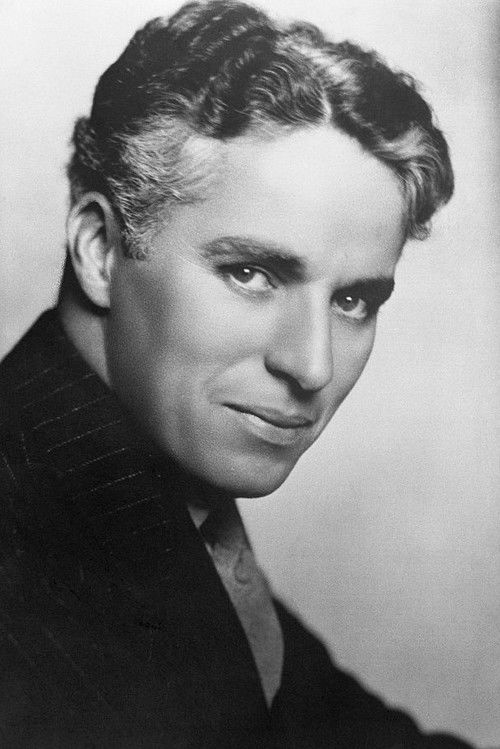
Charles Spencer Chaplin was born into a working-class family in Walworth, London, where poverty and hardship were constants. His early experiences, including the instability of his family and his time spent in workhouses, profoundly shaped his worldview and artistic voice.
The struggles of the lower classes, the cruelty of authority, and the resilience of the human spirit would become recurring themes in his work.

Chaplin’s entry into performance came through music hall and vaudeville, where he learned the physical comedy and timing that would become central to his film persona. Influenced by performers such as Fred Karno and the broader British music hall tradition, Chaplin developed a keen sense of theatricality and mime.
His move to the United States in 1913 and subsequent signing with Keystone Studios marked a turning point. Here, he quickly distinguished himself as a performer and filmmaker, honing a style that blended his stage experience with the new possibilities of cinema.
The influence of earlier silent comedians, as well as a fascination with social issues and storytelling, informed his unique approach.
Filmmaker quote“All I need to make a comedy is a park, a policeman and a pretty girl.”
Charlie Chaplin
A Director’s Visual Grammar

Chaplin’s visual style is immediately recognizable for its clarity, precision, and emotional resonance. He was a master of pantomime, using gesture and expression to communicate complex feelings without dialogue.
This was essential in silent cinema, but Chaplin’s artistry went beyond necessity; his movements were finely choreographed to blend comic timing with narrative purpose.

His camera work often emphasizes the character’s isolation or vulnerability, framing the Tramp against vast urban landscapes or menacing machinery, as seen in Modern Times (1936). The interplay between the individual and the modern world is a visual motif that underpins much of his storytelling.
Chaplin also had a remarkable sense of rhythm and pacing, often structuring scenes like vaudeville acts but with emotional depth. His use of close-ups captures the nuance of facial expression, while long shots showcase physical comedy and environment.
The mise-en-scène is carefully constructed to support both humor and pathos.
Many of his films feature a blend of the grotesque and the tender, as in The Gold Rush (1925), where moments of slapstick are juxtaposed with scenes of loneliness and hope. This balance is a hallmark of his visual grammar, creating a cinematic language that is both accessible and profound.
Place in National Cinema and Film History
Though Chaplin was British by birth, his career and influence are deeply entwined with the development of American cinema. Arriving in Hollywood during its formative years, he helped define the language of silent film comedy and popular entertainment.
His career trajectory parallels the evolution of the film industry itself—from short slapstick comedies to feature-length masterpieces and from silent films to talkies.
Chaplin’s work is foundational to both British and American national cinemas. In Britain, he is a symbol of cultural export and artistic genius, while in the U.S. he contributed to the shaping of Hollywood’s golden age.
His films engage with issues central to 20th-century modernity, including industrialization, economic disparity, and the rise of totalitarianism.
Historically, Chaplin occupies a unique position as a filmmaker who was both a beloved entertainer and a pointed social critic. His willingness to address serious political issues, especially in films like The Great Dictator, positions him as a courageous figure whose art transcended mere escapism.
Influence on Later Filmmakers
Chaplin’s influence on the medium of film and on generations of filmmakers is immeasurable. Directors as diverse as Orson Welles, Federico Fellini, and Robert Altman have acknowledged his impact. His blending of comedy and tragedy set a template for narrative complexity in popular cinema.
His mastery of physical comedy paved the way for artists like Buster Keaton and Jacques Tati, while his social consciousness influenced filmmakers such as Elia Kazan and Billy Wilder. The marriage of technical innovation and humanist storytelling that defines Chaplin’s work became a benchmark for directors aspiring to both entertain and enlighten.
- Inspiration for physical comedians and silent film artists
- Model for integrating social commentary in genre cinema
- Template for auteurship and creative control in Hollywood
- Influence on the development of film editing and visual storytelling
Collaborators: Writers, DPs, Editors, Composers
Chaplin was famously a singular auteur, often writing, directing, producing, and starring in his films. Despite this, he worked with key collaborators who contributed to his vision.
His early shorts at Keystone and Essanay were shaped by the studio’s technicians and actors, but Chaplin quickly took greater creative control.
One of his most important collaborators was composer Charles Chaplin himself, who crafted the memorable scores for his later films, including City Lights (1931) and Modern Times. Chaplin’s music complements his visuals, underscoring the emotional beats and comedic rhythms.
Though less documented, his editors and cinematographers were crucial in realizing his precise visual style. The careful framing and timing that characterize his work depended on close collaboration behind the scenes.
Additionally, Chaplin’s partnership with writers and actors, such as Edna Purviance, enriched the emotional texture of his films.
Critical Reception and Reappraisal
Chaplin’s career saw periods of acclaim, controversy, and rediscovery. In the silent era, he was a global superstar, beloved for his humor and humanity.
The transition to sound cinema initially posed challenges, but Chaplin’s decision to make mostly silent or minimally spoken films in the 1930s was a bold artistic choice.
The political content of films like The Great Dictator polarized audiences and critics during the tense wartime era. Later, during the McCarthy period, Chaplin faced political persecution and exile, which temporarily overshadowed his artistic legacy.
Since the mid-20th century, Chaplin’s work has undergone significant reappraisal. Scholars and critics now recognize the sophistication of his social critique, the technical mastery of his filmmaking, and the enduring emotional power of his characters.
Retrospectives and restorations have cemented his place among cinema’s great auteurs.
How to Start Watching Their Work
For newcomers to Chaplin’s oeuvre, it is best to begin with a mix of his most celebrated feature-length films and key shorts that showcase his range. Starting with City Lights (1931) offers a perfect introduction to his fusion of comedy and pathos, while Modern Times (1936) captures his critique of industrial society and modernity.
The Great Dictator (1940) provides insight into Chaplin’s vocal political engagement and satirical prowess. For silent short films, a viewing of The Immigrant (1917) or A Dog’s Life (1918) reveals the roots of his character and style.
- City Lights (1931) – a masterpiece of silent-era comedy and emotion
- The Gold Rush (1925) – iconic visuals and storytelling
- Modern Times (1936) – social satire meets slapstick
- The Great Dictator (1940) – political satire with historical weight
- The Kid (1921) – blend of humor and touching narrative
Exploring Chaplin’s work in chronological order can also illuminate the evolution of his style and themes. His early shorts, such as Easy Street (1917) and Pay Day (1922), offer insight into his development as a filmmaker and comedic performer.
The Last Word
Charlie Chaplin’s legacy is a testament to the power of film as both art and social mirror. His ability to humanize the marginalized, critique societal ills, and make audiences laugh while provoking thought is unparalleled.

The Tramp is more than a character; he is a symbol of resilience, dignity, and hope in the face of adversity.
Chaplin’s films remind us that comedy can carry serious meaning, and that cinema’s greatest achievements often lie in its capacity to touch the heart while entertaining the mind. As both a filmmaker and cultural icon, Chaplin’s work remains essential viewing for anyone seeking to understand the art and history of film.
Ready for another director deep dive?
Related on Filmmaking Lifestyle
Read next: Aki Kaurismaki: What to Notice on a Rewatch, All the President's Men: What to Notice on a Rewatch, and Apollo 11: What to Notice on a Rewatch.
Every great film starts with a great director. See our picks.

Kei Ishikawa: The Art of Directing, In One Career

Osamu Dezaki: A Visual Language Worth Studying

Ermanno Olmi: Themes, Technique, and Legacy

Juraj Herz: The Essential Breakdown

Orson Welles: A Visual Language Worth Studying

Zoltan Fabri: The Career That Changed the Medium

Barry Jenkins: A Complete Introduction

Tom Tykwer: A Complete Introduction

Ari Aster: A Director's Style in Focus


New comments are not currently accepted.
Comments