
On this pageTap to expand
Billy Wilder’s career stands as a towering testament to the power of cinema’s golden era, blending razor-sharp wit with a penetrating insight into human nature. Born in 1906 in Sucha, Galicia, then part of Austria-Hungary, Wilder immigrated to the United States, where he forged an indelible legacy across nearly five decades of filmmaking.
His work defies easy categorization, oscillating effortlessly between biting film noir, incisive social comedy, and dark drama. Few directors have combined a mastery of genre with such a nuanced understanding of society’s contradictions and individual desires.

Wilder’s films are not just stories; they are vivid examinations of the human condition, often exposing the ironies and hypocrisies beneath polished surfaces. He is famous for crafting narratives that feel both intimate and expansive, populated by characters with complex emotional lives.
His storytelling remains notable for its balance of sharp humor and dramatic weight, a duality that makes his films enduringly relevant and compelling.
Films like Some Like It Hot and Sunset Boulevard are not merely classics; they are cultural touchstones that continue to influence how cinema reflects on itself and the world. Wilder’s ability to dissect societal norms with a blend of cynicism and compassion marks him as one of Hollywood’s most insightful auteurs.
Early Life and Formative Influences
Filmmaker quote“Shoot a few scenes out of focus. I want to win the foreign film award.”
Billy Wilder
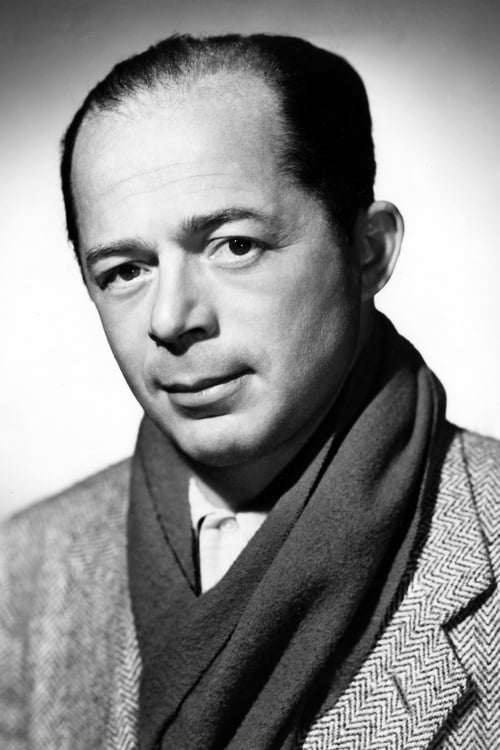

Born Samuel Wilder in 1906, Billy Wilder’s upbringing in the multicultural milieu of Galicia exposed him early to the complexities of identity and displacement—elements that would later permeate his films. His early career began in journalism and screenwriting in Berlin, where he absorbed the influence of German Expressionism and the Weimar Republic’s vibrant cultural scene.
This European foundation shaped his sharp eye for social critique and dark humor.
Wilder fled Nazi Germany in 1933, relocating to Hollywood, where he initially struggled to find his footing. However, the blend of his European sensibilities with the demands of the American studio system created a unique cinematic voice.

Your first paying video clients — where to look first
If you’re early in the journey, start here: realistic channels, simple outreach, and what to say when someone says “send me a quote.”
He inherited the narrative clarity of classical Hollywood but infused it with the moral ambiguity and stylistic boldness of European modernism.
Influences on Wilder’s work are diverse, ranging from the cynical social observations of Ernst Lubitsch to the narrative economy of Frank Capra. His films also bear the imprint of literary realism and the biting satire of contemporaries who challenged Hollywood’s sanitized storytelling.
Filmmaker quote“A director must be a policeman, a midwife, a psychoanalyst, a sycophant and a bastard.”
Billy Wilder
Editing Rhythm and Narrative Shape


Wilder’s command over editing and narrative pacing is one of his signature strengths. His films exhibit a rhythm that is at once brisk and deliberate, ensuring that each scene drives the story forward while deepening character development.

The editing often mirrors the emotional tempo of the narrative, shifting seamlessly from comedic timing to tense suspense.
His background as a screenwriter equipped him to view editing as a narrative tool, using cuts not merely for continuity but to emphasize irony, enhance tension, or deliver punchlines with precision. This approach is evident in the taut structure of Double Indemnity, where every shot contributes to the mounting sense of fatalism, and in the buoyant pace of Some Like It Hot, where comedic timing is paramount.
Visually, Wilder’s films are marked by a clean, expressive style. Rather than relying on overtly stylized camerawork, he favored compositions that heightened the psychological states of his characters.
His use of framing often underlined themes of entrapment, desire, or alienation, creating a visual shorthand that complemented his narrative goals.
Collaborators: Writers, DPs, Editors, Composers

Collaboration was central to Wilder’s filmmaking process, and many of his films benefited from long-standing partnerships. Foremost among these was screenwriter Charles Brackett, with whom Wilder shared an intuitive understanding of character and plot. Their joint scripts balanced wit and pathos, producing classics like Sunset Boulevard and The Lost Weekend.
Wilder also worked extensively with cinematographer John F. Seitz, whose chiaroscuro lighting and fluid camera work defined the noir atmosphere of films such as Double Indemnity and Ace in the Hole. Seitz’s ability to manipulate shadow and light complemented Wilder’s themes of moral ambiguity and hidden truths.

The editor Doane Harrison was another key collaborator, shaping the precise rhythm and narrative clarity that characterize Wilder’s work. Their partnership ensured the seamless flow of storytelling that Wilder prized.
Musically, composers like Miklós Rózsa and André Previn contributed to the emotional texture of Wilder’s films, whether underscoring tension in noir or accentuating comedic moments. This integration of sound and image helped forge his films’ distinctive tonal balance.
- Charles Brackett – co-writer on many key films
- John F. Seitz – cinematographer on noir and dramas
- Doane Harrison – editor notable for narrative pacing
- Miklós Rózsa and André Previn – composers adding emotional depth

Sound sharp on your next discovery call
A printable checklist built for video company owners: what to ask, what to listen for, and how to qualify leads without sounding robotic.
The Breakthrough Moment

Wilder’s breakthrough came with Double Indemnity (1944), a film that not only defined film noir but also established him as a master storyteller capable of blending suspense with dark humor and social critique. The film’s razor-sharp dialogue, morally complex characters, and taut visual style showcased his deftness in manipulating genre conventions.
Following this, The Lost Weekend (1945) marked a shift into more serious social drama, tackling the topic of alcoholism with unflinching honesty and psychological depth. This film solidified Wilder’s reputation as a versatile filmmaker unafraid of difficult subject matter.
However, it was with Sunset Boulevard (1950) that Wilder achieved both critical and commercial acclaim on a grand scale. This biting critique of Hollywood’s dreams and delusions remains one of cinema’s most compelling self-reflexive texts, blending noir aesthetics with tragic melodrama. The film captured the public’s imagination and cemented Wilder’s status as a major force in American cinema.
Place in National Cinema and Film History
Billy Wilder occupies a unique position in American film history, bridging the studio era’s classical narrative traditions with the emerging sensibilities of post-war modernism. He brought a European intellectual rigor and skepticism to Hollywood, challenging its myths while still working within its framework.
His films often interrogated the American Dream, exposing its contradictions and underside with both humor and gravity. Whether in the cynical corridors of power in Ace in the Hole or the bittersweet office romance of The Apartment, Wilder questioned the social and moral fabric of mid-century America.
Wilder’s blend of genres—from noir to screwball comedy—helped expand the narrative possibilities of American cinema. His work is widely recognized for its cultural critique, narrative innovation, and emotional complexity, marking him as one of the most influential directors of the 20th century.
Influence on Later Filmmakers

Wilder’s influence ripples through the work of countless filmmakers who admire his narrative economy, character complexity, and tonal agility. Directors such as Billy Crystal, the Coen Brothers, and Paul Thomas Anderson have acknowledged his impact in shaping a cinema that balances humor with darkness and offers incisive social commentary.
His fearless approach to taboo subjects and his ability to mix comedy with tragedy paved the way for a more nuanced and adult form of Hollywood storytelling. The sharp dialogue and layered characters that characterize his films continue to serve as a benchmark for screenwriters and directors alike.
- Inspiration for narrative complexity and tonal balance
- Model for blending genre with social critique
- Legacy of incisive character-driven storytelling
Related on Filmmaking Lifestyle

Read next: Abbas Kiarostami: What It Teaches About Cinema, Andras Kovacs: What It Teaches About Cinema, and Bimal Roy: What It Teaches About Cinema.
Final Thoughts
Billy Wilder remains a towering figure whose films resist easy categorization, offering instead a kaleidoscope of human experience rendered with wit, intelligence, and emotional honesty. His work captures the paradoxes of the human condition—our aspirations and failings—within stories that remain compelling and relevant.
Whether through the cynical glamour of Sunset Boulevard, the hilarious chaos of Some Like It Hot, or the poignant loneliness of The Apartment, Wilder invites viewers into a cinematic world that is both entertaining and intellectually stimulating. His legacy endures not just in his films but in the very language of cinema, influencing generations who seek to tell stories that are as complex and contradictory as life itself.
Up for more film history and directors?
Discover the filmmakers who changed cinema forever.

Kei Ishikawa: The Art of Directing, In One Career

Osamu Dezaki: A Visual Language Worth Studying

Ermanno Olmi: Themes, Technique, and Legacy

Juraj Herz: The Essential Breakdown

Orson Welles: A Visual Language Worth Studying

Zoltan Fabri: The Career That Changed the Medium

Barry Jenkins: A Complete Introduction

Tom Tykwer: A Complete Introduction

Ari Aster: A Director's Style in Focus


New comments are not currently accepted.
Comments