
On this pageTap to expand
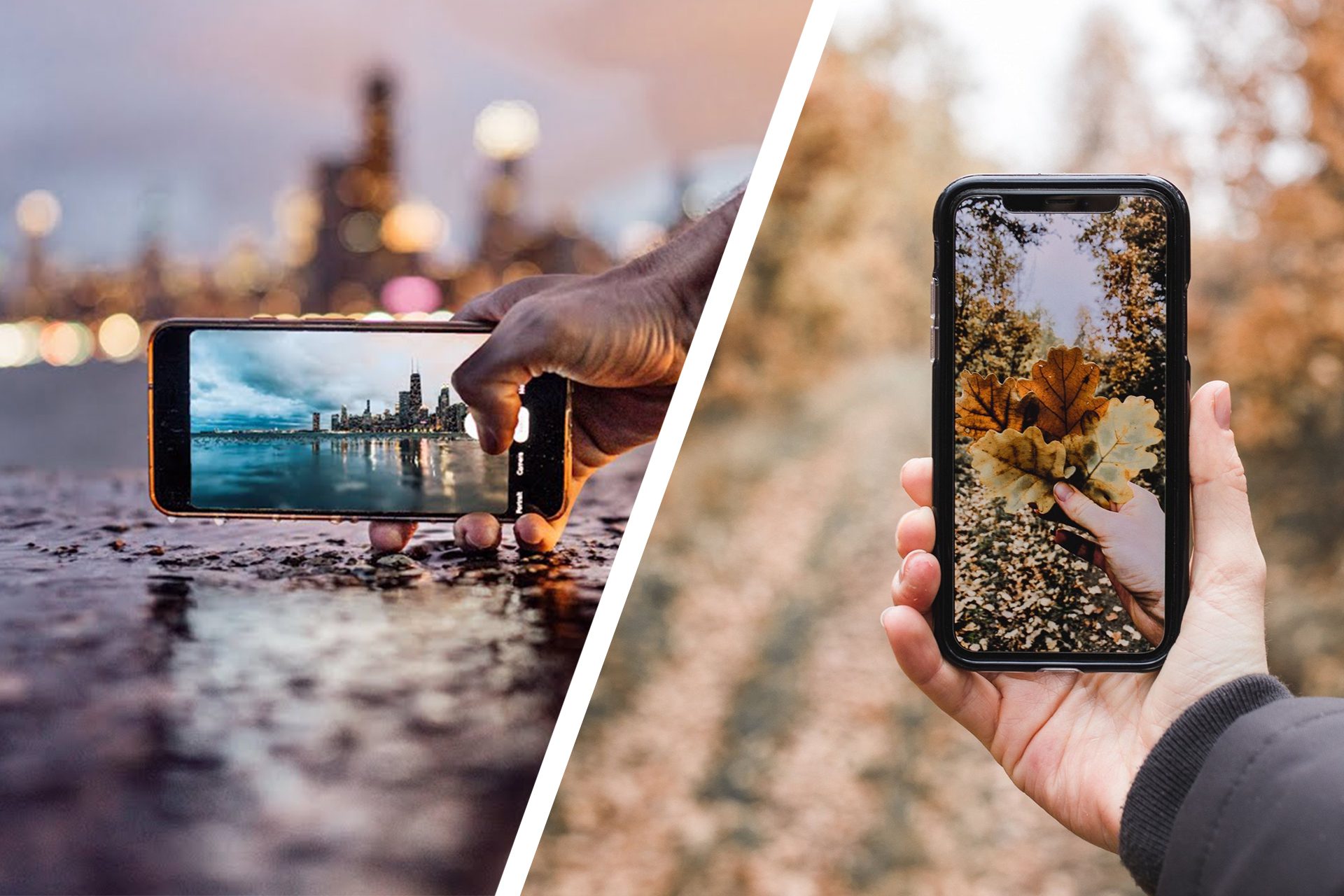
The iPhone has been a smash success in the smartphone market, and one of the biggest reasons for its success is the quality of its camera.
While many people associate high-quality photos with a bulky DSLR camera, Apple’s devices have proven that you don’t need to carry an expensive DSLR around if you’re looking to take high-quality still shots or videos.
In addition to producing high-quality photos and videos, iPhones are constantly improving their cameras, especially when it comes to taking photos in low-light situations.
This means that even if you’re using an older model, you can still take great pictures.
In general, the camera quality of iPhones has gotten better with each new iteration.
Best iPhone Camera
What Is An iPhone Camera?
In the simplest terms, an iPhone camera is a camera connected to an iPhone. You can take pictures using the iPhone’s default Camera app or any of the third-party apps you may have installed on your phone.
The iPhone’s camera is made up of many different components and uses advanced image processing software to create photos.
The iPhone camera, unlike the larger lens cameras that professional photographers use, is actually comprised of multiple cameras. A big lens isn’t the only part that makes a great camera. The software and sensors behind it play an important role as well.
Here are some of the ways your iPhone’s multiple camera lenses can capture great images:
The Wide-Angle Lens
The wide-angle lens basically captures a wider field of view than a regular camera would.
This is what gives iPhone users the ability to fit more subjects into their photos without having to move away from where they are currently standing.

You sell and shoot — keep discovery calls short & useful
A tight script you can run in 20–30 minutes so you’re not reinventing the wheel on every inquiry.
The Telephoto Lens
A telephoto lens is great for focusing on subjects from a distance in order to capture more detail.
It’s also especially useful for capturing subjects that are in motion by taking advantage of its longer focal length, which slows down the shutter speed and allows for a deeper depth of field to be captured in the image.
The Ultra-Wide Lens
The ultra-wide lens captures more than just the subject you want in focus; it captures everything around it as well.
This feature is typically used for taking landscape photos or capturing multiple subjects at once without having to move away from where you are currently standing.

Best iPhone Camera
With each new iPhone release comes an upgraded camera with improved specs. There is no shortage of options available when it comes to buying an iPhone.
The following guide will provide a brief overview of some of the best options on the market today, sorted by price from lowest to highest.
Which iPhone For Video?
Quick pick guide
Shooting mostly video?
Pro / Pro Max - extra lens and better low light.
Standard iPhone is enough for stills and social
Ultra-wide + telephoto
Pro-tier line11 Pro / 12 Pro / 13 Pro class
One good camera, lower cost
Standard or SESE / XR / standard 12 or 13
Older hand-me-down
Usable in good light8 Plus still works for casual use
The camera jump that matters is the extra rear lenses, not the year on the box. A Pro model from two generations back usually beats a new base model for filmmaking.
The complete shortlist
| # | Model |
|---|---|
| 1 | iPhone 17 Pro Max |
| 2 | iPhone 17 Pro |
| 3 | iPhone 16 Pro Max |
| 4 | iPhone 16 Pro |
| 5 | iPhone Air |
| 6 | iPhone 17 |
| 7 | iPhone 16 / iPhone 16 Plus |
| 8 | iPhone 17e |
1. iPhone 17 Pro Max
Apple's current flagship has the most capable camera system it has ever shipped: a "48MP Pro Fusion" triple system with a 48MP main lens (24mm, ƒ/1.78), a 48MP Ultra Wide (13mm, ƒ/2.2, 120° field of view), and a 48MP tetraprism Telephoto (100mm, ƒ/2.8) that delivers 4x optical zoom at full 48MP resolution and 8x optical-quality zoom at 12MP, for a combined 16x optical-quality zoom range (2x out to 8x in) and up to 40x digital zoom.
For video, it shoots 4K Dolby Vision at up to 120fps on the main sensor, records ProRes up to 4K/120fps with external storage, and supports Log 2 and Genlock for professional multi-camera workflows — a genuine step toward serious filmmaking capability, not just still photography.
Second-generation sensor-shift optical image stabilization covers both stills and video. If camera quality is the deciding factor and budget isn't, this is the pick.
2. iPhone 17 Pro
The standard iPhone 17 Pro shares the exact same camera system as the Pro Max above — 48MP main, 48MP Ultra Wide, 48MP tetraprism Telephoto with the same 16x optical-quality zoom range, and the same ProRes/Log 2/Genlock video toolset. The only real differences are screen size and battery capacity, not image quality, so this is the better choice if a smaller, lighter body matters more than maximum battery life.
3. iPhone 16 Pro Max
Apple discontinued the 16 Pro Max from its own lineup when the 17 Pro Max launched, but it's still widely available new through carriers and third-party retailers, and it remains an excellent camera phone: a 48MP Fusion main (24mm, ƒ/1.78), 48MP Ultra Wide (13mm, ƒ/2.2), and 12MP 5x Telephoto (120mm, ƒ/2.8), giving 5x optical zoom in and 2x optical zoom out with up to 25x digital zoom.

Charge what you’re worth — and hear “yes” more often
Positioning and follow-up tactics from the Get More Video Clients guide so you stop under-quoting and start winning work that fits your rates.
It shoots 4K Dolby Vision video and supports spatial video recording. If the newest tetraprism telephoto zoom range isn't essential, the 16 Pro Max is a genuinely strong (and usually cheaper) alternative to the 17 Pro Max.
4. iPhone 16 Pro
Same camera system and video toolset as the 16 Pro Max above, in a smaller body. Like the 16 Pro Max, Apple has moved on to the 17 Pro in its own lineup, but the 16 Pro remains available through other retailers and is worth considering if the size and price work better than the current generation.
5. iPhone Air
The iPhone Air is Apple's thinnest iPhone, built around a single 48MP Fusion main camera (no Ultra Wide or Telephoto) offering 1x and 2x zoom via sensor crop, with sensor-shift optical image stabilization. Reviewers have noted its single-lens output holds up surprisingly well against older multi-lens Pro models, but the lack of an ultra-wide lens is a real limitation for anyone who shoots varied compositions. Apple's reported plans for a dual-camera iPhone Air successor (expected 2027) suggest this single-lens approach is intentionally a first-generation tradeoff for the device's thinness, not the long-term direction.
6. iPhone 17
The standard iPhone 17 moved to a 48MP Dual Fusion system: a 48MP main (26mm, ƒ/1.6) that also provides a 12MP optical-quality 2x Telephoto crop (52mm, ƒ/1.6), plus a 48MP Ultra Wide (13mm, ƒ/2.2, 120° field of view) — a 4x optical zoom range with digital zoom up to 10x. It's a genuinely capable everyday camera system, just without the Pro models' dedicated telephoto hardware or ProRes/Log video support.
7. iPhone 16 / iPhone 16 Plus
The non-Pro iPhone 16 and larger iPhone 16 Plus remain in Apple's current lineup as the budget-friendly previous-generation option, starting well below the 17 series. They share a 48MP Fusion main camera and 12MP Ultra Wide, without the Pro models' telephoto lens or the 17 series' updated main sensor. For casual photography and everyday video, they're still perfectly capable and represent the best value in Apple's current new-phone lineup.
8. iPhone 17e
Apple's current budget iPhone (which effectively replaced the short-lived 16e) uses a 48MP Fusion main camera (26mm, ƒ/1.6) with a 12MP optical-quality 2x Telephoto crop (52mm, ƒ/1.6) and digital zoom up to 10x — but no Ultra Wide lens. It's the cheapest way into Apple's current camera system and a sensible pick for anyone who mostly shoots normal-to-tight framing and doesn't need an ultra-wide lens.
Note on the iPhone SE: Apple discontinued the iPhone SE line in February 2025, first replacing it with the iPhone 16e and then the iPhone 17e above. If you see an SE for sale new anywhere, it's leftover stock, not a current Apple product.
Which iPhone Has The Best Camera?
For raw image and video quality, the iPhone 17 Pro and 17 Pro Max are tied for the best camera Apple currently makes — they share an identical triple-lens system with a genuine telephoto zoom range and professional video features like ProRes and Log 2. The only reason to choose the 16 Pro or 16 Pro Max instead is price, since Apple's own lineup has moved on from them.
For most people who don't need the telephoto lens or ProRes workflow, the standard iPhone 17 or the budget iPhone 16 covers everyday photography and video very well at a meaningfully lower price.
Best iPhone Camera Apps
The built-in Camera app covers most needs, but a few third-party apps are worth knowing about if default results aren't cutting it:
Halide
Halide is the strongest option for manual control — full manual focus, exposure, and RAW capture, with detailed live feedback while shooting. It's the pick for anyone who wants to push past what the automatic Camera app does.
Adobe Lightroom
Lightroom's mobile app pairs a capable built-in camera (with DNG RAW capture) with industry-standard editing tools and cloud sync across devices, and it has a genuinely useful free tier.
VSCO
VSCO combines a camera with a photo/video editor built around film-inspired presets and filters, plus RAW support with manual controls. It remains one of the most popular all-in-one shoot-and-edit apps for iPhone.
From entry-level to cinema-grade — we cover all the gear you need.

10 Best Video Editing Tools for Beginners in 2026

Invideo Editor vs Veed: Which One in 2026?

How to Delete a Sentence From a Video by Editing the Transcript

10 Best Higgsfield Alternatives for AI Filmmaking in 2026

Best AI Tools for Making Microdramas in 2026

Best AI Tools for Storyboarding Before a Shoot

Invideo vs. Higgsfield: Which AI Filmmaking Platform Actually Delivers in 2026

AI Filmmaking in 2026: From Idea to Final Cut in One Connected Workflow
Best Video Editing Software for Freelance Videographers


New comments are not currently accepted.
Comments